OSHAA 30-Hours Professional Diploma in Shipbroking and Chartered Vessel Operations
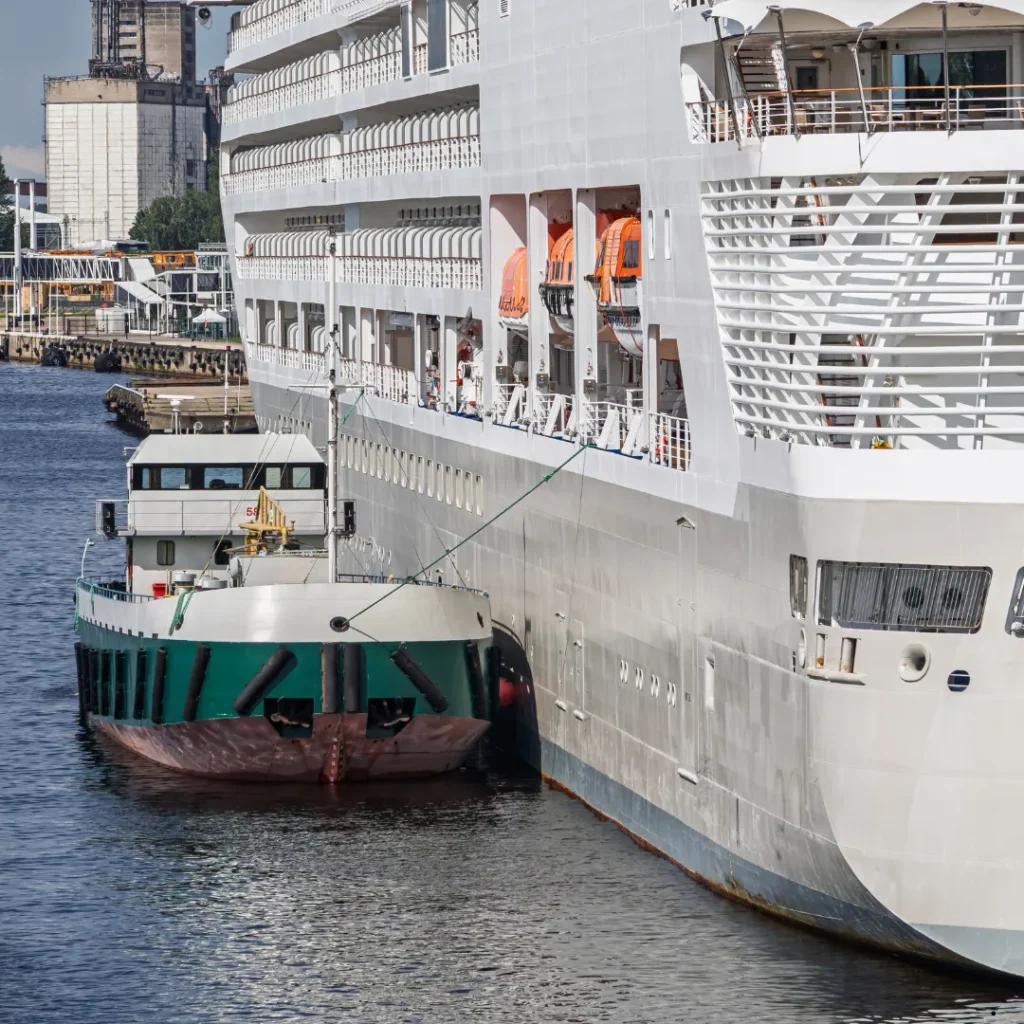
The OSHAA 30-Hours Professional Diploma in Shipbroking and Chartered Vessel Operations is designed to provide learners with a practical and legal understanding of the shipbroking profession and the complexities of chartered vessel operations. This program explores the fundamentals of brokering deals between shipowners and charterers, the negotiation of charter party agreements, and the operational responsibilities involved in managing chartered vessels. Learners will gain insights into the commercial, legal, and safety aspects of shipbroking, making the course highly relevant for professionals in maritime trade and logistics.
Throughout the course, participants will study the principles of charter parties, voyage and time charters, and the role of shipbrokers in facilitating international shipping transactions. The curriculum emphasizes negotiation skills, contract interpretation, and compliance with international maritime conventions. By combining theoretical knowledge with case studies and practical applications, learners will develop the ability to manage chartering processes effectively while ensuring compliance with occupational safety and health standards.
This diploma is particularly valuable for professionals working in shipping, logistics, and maritime law, as well as individuals seeking to strengthen their knowledge of international trade regulations. With a structured 30-hour framework, the course provides accessible yet in-depth training that equips learners to navigate the complexities of shipbroking and chartered vessel operations. It also empowers learners to apply legal and commercial principles confidently in practice, ensuring compliance, reducing risks, and enhancing professional credibility in the maritime sector.
Course Overview
Awarding Body
OSHAA
Duration
30-Hours
Study Mood
Online
Assessment
Assignments Based
Course Study Units
- Introduction to Shipbroking, Chartering, and OSHAA Standards (3 Hours)
- Occupational Safety and Health Principles in Shipbroking and Vessel Operations (3 Hours)
- International Maritime Regulations, Compliance, and Chartering Frameworks (4 Hours)
- Hazard Identification, Risk Assessment, and Control Measures in Vessel Operations (3 Hours)
- Charter Party Agreements, Cargo Handling Safety, and Operational Protocols (3 Hours)
- Port Facility Interface, Security, and Emergency Preparedness in Chartering (3 Hours)
- Environmental Protection, Sustainability, and Pollution Prevention in Shipping (3 Hours)
- Incident Reporting, Accident Investigation, and Corrective Actions in Charter Operations (3 Hours)
- Safety Management Systems, ISM Code, and Compliance Auditing (3 Hours)
- Professional Development, Negotiation Skills, and Compliance Culture in Shipbroking (2 Hours)

Entry Requirements
Who Can Enroll
This course is best suited for individuals who want to build expertise in shipbroking and chartered vessel operations.
- Aspiring shipbrokers entering the maritime industry
- Professionals in shipping and logistics companies
- Legal practitioners interested in charter party contracts
- Compliance officers managing maritime operations
- Supervisors handling vessel operations and documentation
- Individuals seeking career advancement in maritime trade
Course Learning Outcomes
Introduction to Shipbroking, Chartering, and OSHAA Standards (3 Hours)
- Develop a clear understanding of the fundamentals of shipbroking and chartering in global trade.
- Gain knowledge of OSHAA standards and their application within shipbroking and vessel operations.
- Understand the importance of integrating occupational safety into commercial and operational practices.
- Recognize how compliance frameworks influence modern shipbroking and chartering activities.
Occupational Safety and Health Principles in Shipbroking and Vessel Operations (3 Hours)
- Acquire a strong foundation in occupational safety and health principles specific to shipbroking and vessel operations.
- Learn to identify workplace hazards and apply preventive measures to reduce risks.
- Understand the responsibilities of employers, brokers, and vessel operators in maintaining safe practices.
- Apply OSHA-based safety frameworks to ensure compliance and operational safety in chartering.
International Maritime Regulations, Compliance, and Chartering Frameworks (4 Hours)
- Gain in-depth knowledge of international conventions such as SOLAS, MARPOL, and ISM Code.
- Understand the role of the International Maritime Organization (IMO) in regulating global shipping and chartering.
- Learn to interpret and apply compliance frameworks to daily shipbroking and vessel operations.
- Develop the ability to ensure organizational adherence to international safety and environmental standards.
Hazard Identification, Risk Assessment, and Control Measures in Vessel Operations (3 Hours)
- Master techniques for identifying potential hazards in vessel operations and chartering activities.
- Conduct structured risk assessments to evaluate the severity and likelihood of incidents.
- Implement effective control measures to mitigate risks and enhance workplace safety.
- Apply proactive safety strategies to reduce accidents and operational disruptions.
Charter Party Agreements, Cargo Handling Safety, and Operational Protocols (3 Hours)
- Understand the structure and function of charter party agreements in shipbroking.
- Learn safe cargo handling procedures and their importance in preventing accidents.
- Apply best practices for loading, unloading, and securing cargo to minimize risks.
- Integrate safety and compliance protocols into daily chartering and vessel operations.
Port Facility Interface, Security, and Emergency Preparedness in Chartering (3 Hours)
- Gain knowledge of port facility safety requirements and international security codes.
- Learn how to design and implement emergency preparedness and crisis management plans.
- Understand the importance of port security in protecting assets, personnel, and cargo.
- Apply strategies for effective coordination during emergencies and security incidents.
Environmental Protection, Sustainability, and Pollution Prevention in Shipping (3 Hours)
- Understand the environmental impact of shipbroking and vessel operations.
- Learn pollution prevention measures in compliance with MARPOL and other conventions.
- Apply best practices for waste management, emissions control, and environmental stewardship.
- Develop strategies to integrate sustainability into daily shipping and chartering operations.
Incident Reporting, Accident Investigation, and Corrective Actions in Charter Operations (3 Hours)
- Learn how to properly report incidents in compliance with international standards.
- Acquire skills in conducting thorough accident investigations to identify root causes.
- Develop corrective action plans to prevent recurrence of accidents.
- Apply systematic approaches to improve safety performance and compliance in chartering.
Safety Management Systems, ISM Code, and Compliance Auditing (3 Hours)
- Gain expertise in developing and implementing Safety Management Systems (SMS).
- Understand the requirements and practical application of the ISM Code in vessel operations.
- Learn how to monitor, audit, and continuously improve safety systems.
- Apply SMS principles to ensure compliance and enhance organizational safety culture.
Professional Development, Negotiation Skills, and Compliance Culture in Shipbroking (2 Hours)
- Develop negotiation and communication skills essential for shipbrokers and chartering professionals.
- Learn how to foster a strong compliance culture that prioritizes responsibility and accountability.
- Understand the role of professional development in advancing careers in shipbroking and vessel operations.
- Apply leadership strategies to influence positive change and compliance across teams.