OSHAA 30 Hour Professional Diploma in Airport Management
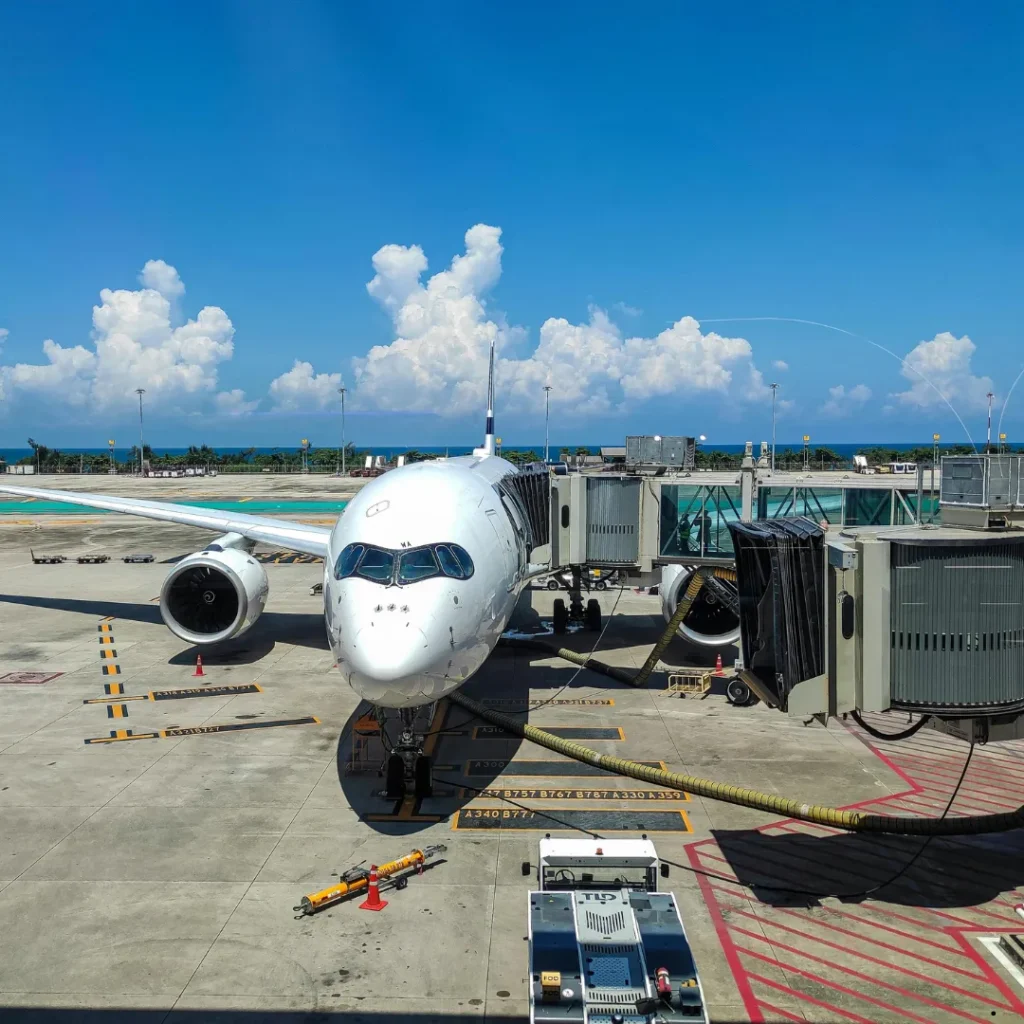
The OSHA 30 Hour Professional Diploma in Airport Management is a specialized program designed to provide learners with advanced knowledge of occupational safety and health practices within airport operations. Airports are dynamic hubs where thousands of passengers, employees, and operations converge daily, creating unique safety and management challenges. This diploma equips participants with the skills to identify hazards, manage risks, and implement safety strategies that ensure smooth and secure airport functioning. is a specialized program designed to provide learners with advanced knowledge of occupational safety and health practices within airport operations.
Airports are dynamic hubs where thousands of passengers, employees, and operations converge daily, creating unique safety and management challenges. This diploma equips participants with the skills to identify hazards, manage risks, and implement safety strategies that ensure smooth and secure airport functioning.Learners will explore critical areas such as airside operations, terminal safety, ground handling procedures, emergency preparedness, and compliance with OSHA standards.
By focusing on both operational and managerial aspects, the course prepares learners to handle complex safety challenges while maintaining compliance with international aviation regulations.The diploma also emphasizes leadership, accountability, and the development of a strong safety culture within airport environments. Participants will learn how to conduct inspections, oversee compliance, and coordinate safety measures across multiple airport departments. By the end of the program, learners will be confident in their ability to contribute to safer, more efficient airport operations, protect lives, safeguard assets, and support the smooth functioning of global air transport systems.
Course Overview
Awarding Body
OSHAA
Duration
30-Hours
Study Mood
Online
Assessment
Assignments Based
Course Study Units
- Introduction to Airport Management & Global Aviation Industry (3 Hours)
- Airport Operations & Terminal Management (3 Hours)
- Aviation Safety & OSHAA Standards (3 Hours)
- Airport Security & Regulatory Compliance (3 Hours)
- Airside Operations & Ground Handling (3 Hours)
- Emergency Planning & Crisis Management (3 Hours)
- Passenger Services & Customer Experience (3 Hours)
- Airport Finance & Commercial Management (3 Hours)
- Sustainability & Environmental Management (3 Hours)
- Leadership, Communication & Professional Development (3 Hours)

Entry Requirements
Who Can Enroll
The OSHAA 30 Hour Professional Diploma in Airport Management is ideal for individuals who are passionate about aviation and airport operations.
- Individuals seeking a career in airport management or aviation operations
- Fresh graduates looking to enter the aviation industry
- Airport or airline staff aiming to upgrade their skills
- Professionals interested in airport safety and operational standards
- Entrepreneurs planning to work in aviation-related services
- Career changers looking to enter the fast-growing aviation sector
Course Learning Outcomes
Introduction to Airport Management & Global Aviation Industry (3 Hours)
- Understand the structure and functions of the global aviation industry.
- Identify the roles of ICAO, IATA, and other international aviation bodies.
- Explain the classification of airports and their operational categories.
- Recognize the economic and social impact of airports on global connectivity.
- Describe the evolution and trends shaping modern airport management.
- Differentiate between aeronautical and non-aeronautical airport services.
- Assess the importance of regulatory frameworks in global aviation.
- Relate airport management practices to international standards.
Airport Operations & Terminal Management (3 Hours)
- Explain the key functions of airport terminal operations.
- Manage passenger flow, check-in, and boarding processes effectively.
- Understand baggage handling systems and their operational challenges.
- Identify the roles of ground handling service providers.
- Apply best practices in terminal safety and efficiency.
- Evaluate the importance of technology in airport operations.
- Recognize the interdependence of airside and landside operations.
- Develop strategies to enhance operational efficiency in terminals.
Aviation Safety & OSHAA Standards (3 Hours)
- Define occupational safety principles in the aviation context.
- Apply OSHAA standards to airport and aviation operations.
- Identify workplace hazards and implement risk control measures.
- Understand safety management systems (SMS) in aviation.
- Demonstrate compliance with international safety regulations.
- Recognize the importance of safety culture in airport environments.
- Conduct basic safety audits and inspections.
- Evaluate the impact of safety compliance on operational performance.
Airport Security & Regulatory Compliance (3 Hours)
- Understand ICAO Annex 17 and its application to airport security.
- Identify key security threats and vulnerabilities in airports.
- Apply access control and passenger screening procedures.
- Recognize the role of national and international security agencies.
- Implement security protocols for baggage and cargo handling.
- Develop emergency response strategies for security incidents.
- Ensure compliance with aviation security regulations.
- Evaluate the effectiveness of airport security systems.
Airside Operations & Ground Handling (3 Hours)
- Explain the functions of airside operations in airport management.
- Identify safety requirements for runway and taxiway operations.
- Understand apron management and aircraft turnaround procedures.
- Apply safety protocols in fueling, catering, and maintenance.
- Coordinate ground handling services for efficient operations.
- Recognize the importance of communication in airside safety.
- Evaluate the impact of ground handling on flight punctuality.
- Develop strategies to minimize risks in airside operations.
Emergency Planning & Crisis Management (3 Hours)
- Understand the principles of airport emergency planning.
- Identify types of emergencies (fire, medical, security, natural disasters).
- Develop contingency plans for airport crisis situations.
- Apply ICAO guidelines for emergency preparedness.
- Coordinate with emergency response agencies effectively.
- Conduct risk assessments for potential crisis scenarios.
- Implement communication strategies during emergencies.
- Evaluate post-crisis recovery and lessons learned.
Passenger Services & Customer Experience (3 Hours)
- Recognize the importance of customer service in airport management.
- Apply strategies to improve passenger satisfaction.
- Understand accessibility requirements for diverse passenger groups.
- Manage complaints and service recovery effectively.
- Implement cultural sensitivity in passenger interactions.
- Evaluate the role of technology in enhancing passenger experience.
- Develop service quality benchmarks for airport operations.
- Promote a customer-centric culture within airport staff.
Airport Finance & Commercial Management (3 Hours)
- Understand the financial structure of airport operations.
- Differentiate between aeronautical and non-aeronautical revenue streams.
- Apply cost control and budgeting principles in airport management.
- Recognize the role of concessions, retail, and real estate in revenue generation.
- Evaluate financial performance indicators for airports.
- Understand the impact of global economic trends on airport finance.
- Develop strategies for sustainable financial growth.
- Apply ethical practices in airport financial management.
Sustainability & Environmental Management (3 Hours)
- Understand the environmental challenges faced by airports.
- Apply principles of sustainable airport development.
- Recognize the importance of carbon reduction initiatives.
- Implement noise management and pollution control measures.
- Evaluate waste management and energy efficiency strategies.
- Understand ICAO’s environmental policies and frameworks.
- Promote green airport initiatives and eco-friendly practices.
- Assess the long-term benefits of sustainability in aviation.
Leadership, Communication & Professional Development (3 Hours)
- Understand the role of leadership in airport management.
- Apply effective communication strategies in multicultural environments.
- Recognize the importance of teamwork and collaboration.
- Develop decision-making and problem-solving skills.
- Apply ethical leadership principles in aviation contexts.
- Understand conflict resolution strategies in workplace settings.
- Promote continuous professional development and lifelong learning.
- Evaluate personal leadership style and career growth opportunities.