OSHAA 30-Hours Professional Diploma in Science of Food
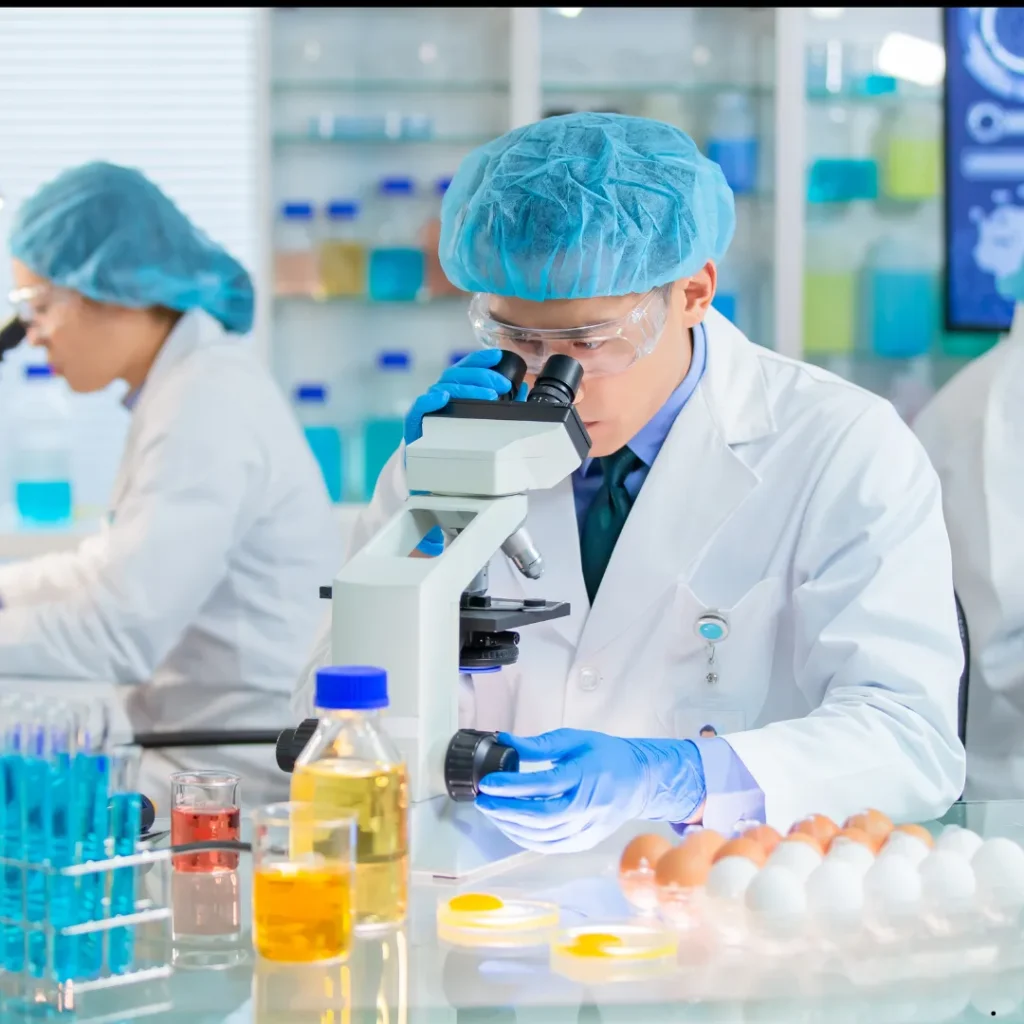
The OSHAA 30-Hours Professional Diploma in Science of Food is designed to provide learners with a strong foundation in the scientific principles that govern food composition, safety, nutrition, and processing. This course explores how biological, chemical, and physical factors influence food quality and human health. Participants will gain insight into food structure, preservation methods, contamination risks, and the role of nutrients in the body. By combining theory with practical understanding, the program helps learners appreciate how science supports safe food production and informed dietary choices in modern food systems.
Throughout the course, learners will study key topics such as food microbiology, food chemistry basics, hygiene practices, and the impact of storage and handling on food quality. The program emphasizes the importance of scientific approaches in preventing foodborne hazards and maintaining standards across the food supply chain. Learners will also explore how processing techniques affect nutritional value, texture, and shelf life. This knowledge helps build awareness of responsible food handling and supports individuals working in environments where food safety and quality control are essential.
The diploma also highlights the relationship between food science and everyday life, enabling learners to understand labeling information, nutritional balance, and safe preparation practices. By the end of the training, participants will have developed a clearer understanding of how scientific knowledge contributes to public health, food sustainability, and consumer protection. The course encourages analytical thinking and practical awareness, making it suitable for those seeking to strengthen their understanding of food systems, improve workplace practices, or develop a professional interest in the science behind food production and safety.
Course Overview
Awarding Body
OSHAA
Duration
30-Hours
Study Mood
Online
Assessment
Assignments Based
Course Study Units
- Introduction to Food Science and Nutritional Biochemistry (3 hours)
- Macronutrients and Micronutrients: Roles in Human Health (4 hours)
- Digestion, Absorption, and Metabolism of Nutrients (3 hours)
- Food Composition and Chemical Properties (6 hours)
- Food Microbiology and Safety Standards (3 hours)
- Food Processing and Preservation Techniques (4 hours)
- Functional Foods, Additives, and Nutritional Fortification (5 hours)
- Food Labelling, Packaging, and Consumer Regulations (2 hours)

Entry Requirements
Who Can Enroll
This course is ideal for individuals interested in understanding the scientific aspects of food, nutrition, and safety, including:
- Students interested in food science or nutrition basics
- Food industry or kitchen staff seeking scientific knowledge
- Individuals concerned about food safety and hygiene practices
- Entrepreneurs involved in food preparation or catering
- Health-conscious learners wanting to understand food composition
- Anyone planning to work in food handling or supply environments
Course Learning Outcomes
Introduction to Food Science and Nutritional Biochemistry
- Gain a clear understanding of the interdisciplinary nature of food science
- Learn the biochemical components of food and their nutritional significance
- Explore how food composition impacts human health
- Develop foundational knowledge in nutritional biochemistry
- Ideal for beginners or professionals seeking to strengthen core concepts
Macronutrients and Micronutrients: Roles in Human Health
- Understand the structure and function of carbohydrates, proteins, and fats
- Learn the physiological roles of vitamins and minerals
- Evaluate dietary sources and recommended intakes for optimal health
- Recognize nutrient interactions and their impact on wellness
- Enhance knowledge for nutritional planning and health promotion
Digestion, Absorption, and Metabolism of Nutrients
- Explore the processes of digestion and nutrient absorption
- Understand how macronutrients are metabolized for energy
- Identify factors affecting nutrient bioavailability
- Learn to link diet with metabolic health outcomes
- Gain insights relevant to clinical nutrition and dietetics
Food Composition and Chemical Properties
- Analyse major food components: water, proteins, lipids, and carbohydrates
- Understand how chemical properties affect taste, texture, and nutrition
- Evaluate the impact of cooking and processing on nutrient retention
- Develop skills to assess food quality and functionality
- Strengthen practical knowledge for food product development
Food Microbiology and Safety Standards
- Identify common foodborne pathogens and microbial risks
- Understand principles of hygiene and contamination prevention
- Explore legislation and safety standards in food protection
- Learn to implement best practices in food handling
- Enhance skills for ensuring consumer safety and regulatory compliance
Food Processing and Preservation Techniques
- Understand traditional and modern food preservation methods
- Evaluate the impact of processing on nutrient retention and shelf life
- Assess the benefits and drawbacks of various preservation techniques
- Learn practical approaches to maintain food quality
- Develop knowledge applicable to the food manufacturing industry
Functional Foods, Additives, and Nutritional Fortification
- Define functional foods and their role in promoting health
- Identify common food additives and regulatory approvals
- Understand principles of food fortification for nutrient enrichment
- Explore innovative approaches to functional product development
- Enhance ability to evaluate health claims and food innovations
Food Labelling, Packaging, and Consumer Regulations
- Interpret nutrition labels and ingredient lists accurately
- Understand food labelling laws and consumer rights
- Recognize how packaging influences purchasing decisions and safety
- Gain knowledge to ensure regulatory compliance
- Learn practical applications for product marketing and consumer education