OSHAA 30-Hours HACCP Essentials and Catering Food Safety
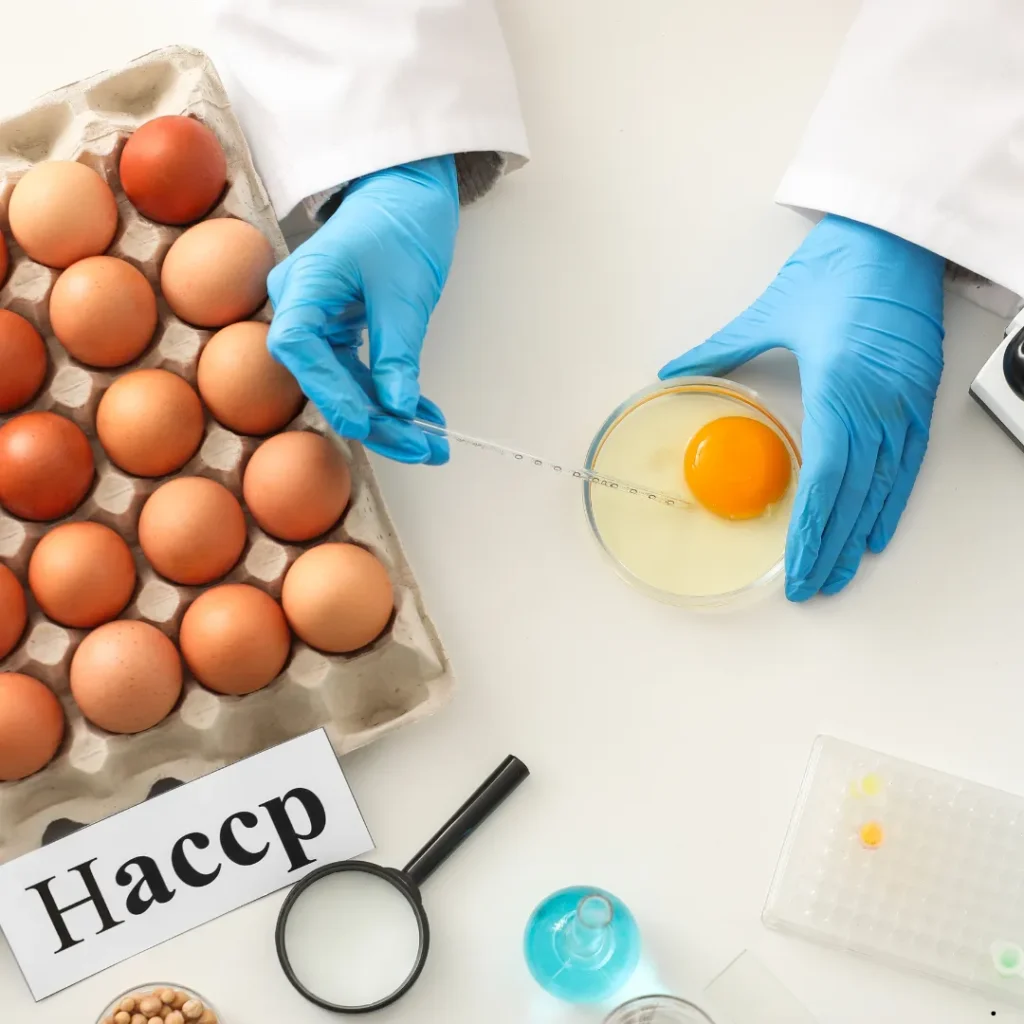
The OSHAA 30-Hours HACCP Essentials and Catering Food Safety course is designed to introduce learners to the fundamental principles of hazard control and safe food handling within catering and food service environments. It explains how food safety risks can arise during purchasing, storage, preparation, cooking, transport, and serving. Learners gain a structured understanding of HACCP-based preventive approaches that focus on identifying hazards before they cause harm. The course highlights the importance of hygiene, proper workflow organization, and responsible food handling practices to help maintain safe catering operations and protect consumer health in both small-scale and large food service settings.
This training emphasizes practical catering scenarios to help learners understand how HACCP principles apply in real workplaces. Participants explore biological, chemical, and physical hazards, along with methods for monitoring food safety risks and maintaining hygienic conditions. By connecting theory with workplace practices, learners build confidence in recognizing unsafe situations and responding appropriately, helping create a culture of responsibility and awareness in professional kitchens, catering services, and hospitality environments.
The structured 30-hour format ensures focused and accessible learning while covering essential food safety responsibilities relevant to catering operations. By the end of the training, learners understand how to follow organized food safety procedures, monitor critical stages of food handling, and support hygienic service delivery. This knowledge can be applied across catering businesses, restaurants, event food services, institutional kitchens, and other food preparation environments where maintaining safety and cleanliness is essential.
Course Overview
Awarding Body
OSHAA
Duration
30-Hours
Study Mood
Online
Assessment
Assignments Based
Course Study Units
- Introduction to HACCP and Food Safety (3 hours)
- Identifying Hazards in Food Handling (5 hours)
- Critical Control Points (CCPs) in Food Production (4 hours)
- Establishing and Implementing Food Safety Management Systems (4 hours)
- Temperature Control and Food Safety (5 hours)
- Personal Hygiene and Food Handling Practices (3 hours)
- Food Safety Documentation and Record Keeping (3 hours)
- Risk Assessment and Corrective Actions (3 hours)

Entry Requirements
Who Can Enroll
This course is ideal for individuals who want to understand HACCP-based catering food safety practices, including:
- Catering staff and kitchen assistants
- Chefs, cooks, and food preparation workers
- Restaurant or catering supervisors
- Small catering business owners
- Hospitality and event food service workers
- Beginners planning to enter catering or food service roles
Course Learning Outcomes
Introduction to HACCP and Food Safety (3 hours)
- Understand the basic principles and importance of HACCP in ensuring food safety
- Recognise the role of HACCP in preventing foodborne illnesses in food production and service
- Learn the structure and key elements of a HACCP system
- Understand how HACCP contributes to legal compliance and best practices in food safety
Identifying Hazards in Food Handling (5 hours)
- Identify the three primary types of hazards in food handling: biological, chemical, and physical
- Understand how hazards can affect food safety and public health
- Learn methods for detecting potential hazards in various stages of food processing, preparation, and service
- Develop skills to assess risks associated with food handling in different environments, including catering and food production
Critical Control Points (CCPs) in Food Production (4 hours)
- Understand what Critical Control Points (CCPs) are and why they are essential in food safety
- Learn how to identify and evaluate CCPs in food production and preparation processes
- Gain knowledge on how to set control measures to prevent hazards at CCPs
- Develop skills to monitor and assess CCPs effectively to ensure food safety
Establishing and Implementing Food Safety Management Systems (4 hours)
- Learn the steps to establish an effective food safety management system in the workplace
- Understand how to implement and monitor food safety protocols within a HACCP framework
- Gain the skills necessary to design and manage a food safety system tailored to your organisation’s needs
- Understand how to integrate food safety management systems with other operational processes in food service and production
Temperature Control and Food Safety (5 hours)
- Understand the critical role of temperature control in food safety
- Learn the importance of controlling temperature during food storage, preparation, and service to prevent bacterial growth
- Gain knowledge of safe temperature ranges for different types of food
- Develop the skills to monitor and maintain temperature control throughout the food handling process
Personal Hygiene and Food Handling Practices (3 hours)
- Understand the importance of personal hygiene in preventing food contamination
- Learn best practices for food handlers, including handwashing, use of protective clothing, and hygiene practices
- Gain knowledge on the role of cleanliness in preventing foodborne illness and contamination
- Develop the skills to promote and enforce hygiene standards within the workplace
Food Safety Documentation and Record Keeping (3 hours)
- Learn the significance of documentation in food safety management systems
- Understand the key records that need to be maintained, such as temperature logs and cleaning schedules
- Develop the skills to keep accurate, up-to-date records that demonstrate compliance with food safety regulations
- Understand the role of documentation in food safety audits and inspections
Risk Assessment and Corrective Actions (3 hours)
- Learn how to conduct a risk assessment to identify food safety hazards and control measures
- Understand how to analyse potential risks and implement effective corrective actions
- Gain knowledge of how to resolve food safety issues and prevent recurrence
- Develop the skills to assess, manage, and reduce risks in food handling and production environments