OSHAA 30-Hours Professional Diploma in Food Safety and Hygiene
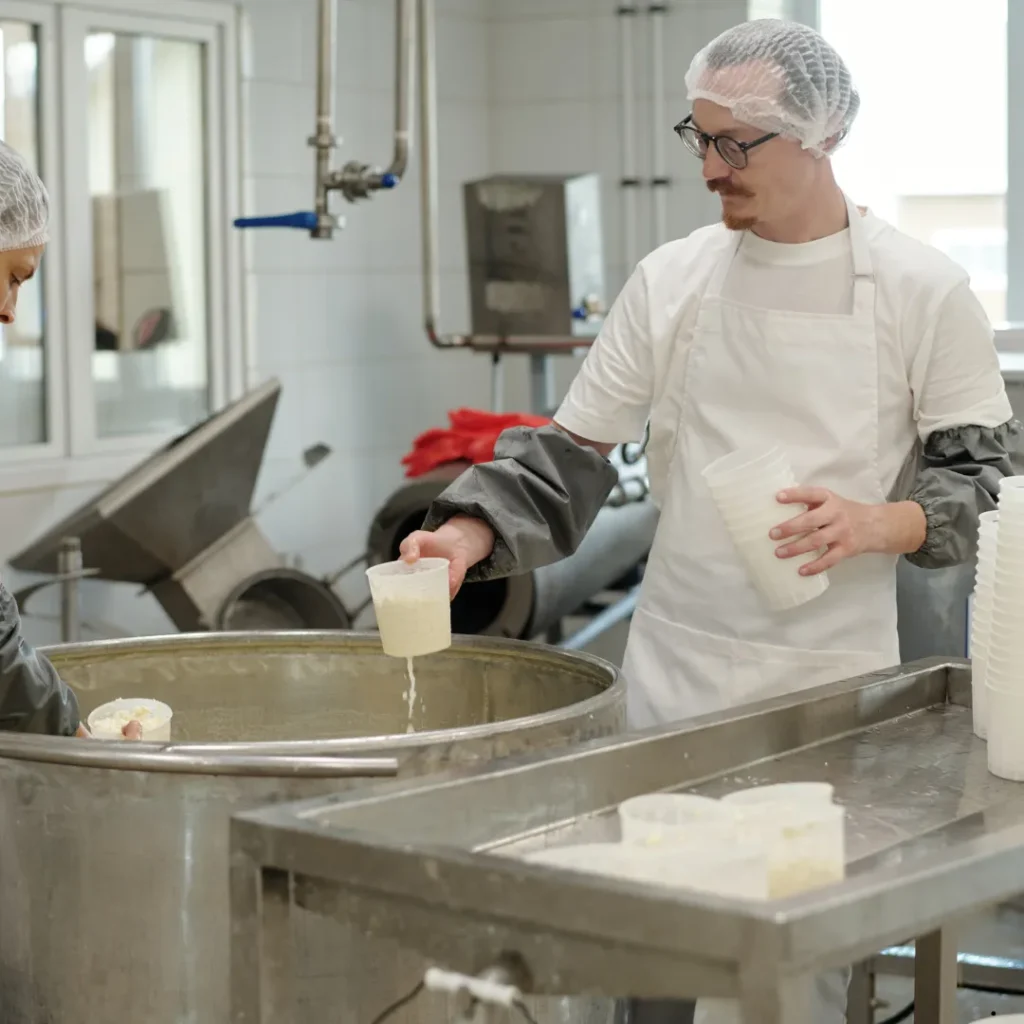
The OSHA 30-Hours Professional Diploma in Food Safety and Hygiene is a specialized training program designed to equip learners with the knowledge and skills necessary to uphold the highest standards of workplace safety and food hygiene. This diploma integrates OSHA’s internationally recognized safety framework with practical food safety principles, ensuring that participants can identify hazards, prevent risks, and maintain compliance in food production and processing environments. The course emphasizes the dual responsibility of protecting employees from occupational hazards while safeguarding consumers through strict hygiene and sanitation practices.
Throughout the program, learners will explore the fundamentals of food hygiene, contamination prevention, sanitation protocols, and personal hygiene requirements, alongside OSHA’s 30-hour safety training modules. The curriculum is structured to provide both theoretical knowledge and practical application, with case studies and real-world scenarios that reflect the challenges faced in food processing facilities. Participants will gain insights into hazard analysis, risk management, documentation, and monitoring systems, enabling them to implement food safety frameworks that are both effective and sustainable.
They will understand how to document compliance, train staff effectively, and foster a culture of safety and hygiene within their organizations. The program empowers learners to take leadership roles in promoting accountability, continuous improvement, and proactive risk management. Ultimately, this diploma ensures not only regulatory compliance but also the consistent delivery of safe, high-quality food products that meet consumer expectations and industry demands, strengthening both organizational reputation and public health outcomes.
Course Overview
Awarding Body
OSHAA
Duration
30-Hours
Study Mood
Online
Assessment
Assignments Based
Course Study Units
- Introduction to Food Safety and Hygiene (3 hours)
- Types of Foodborne Hazards (4 hours)
- Safe Food Handling Practices (4 hours)
- Cleaning and Sanitisation in Food Safety (4 hours)
- Personal Hygiene and Workplace Practices (4 hours)
- Food Safety Management Systems (5 hours)
- Health and Safety Protocols in Food Environments (3 hours)
- Food Safety Audits and Inspections (3 hours)

Entry Requirements
Who Can Enroll
The ideal learner for this diploma is someone committed to advancing food safety and workplace hygiene standards.
- Food processing employees seeking structured safety and hygiene training.
- Supervisors and managers responsible for food safety compliance.
- Quality assurance and hygiene officers in food production facilities.
- Health and safety professionals in the food industry.
Course Learning Outcomes
Introduction to Food Safety and Hygiene (3 Hours)
- Develop a foundational understanding of food safety and hygiene in professional food operations
- Recognize the impact of foodborne illnesses on public health, business reputation, and regulatory compliance
- Identify core food safety terminology, standards, and regulatory frameworks applicable globally
- Understand the roles and responsibilities of personnel in maintaining safe and hygienic food practices
Types of Foodborne Hazards (4 Hours)
- Identify biological, chemical, and physical hazards that can compromise food safety
- Analyze sources and pathways of contamination in food handling, storage, and preparation
- Assess risks associated with pathogens, allergens, and toxic substances
- Apply preventive measures to reduce hazard exposure in workplace environments
Safe Food Handling Practices (4 Hours)
- Master proper food handling, storage, and preparation techniques to prevent contamination
- Understand temperature control, cross-contamination prevention, and safe cooking/serving methods
- Apply best practices in monitoring food quality and maintaining hygiene
- Integrate safe food handling procedures into daily workflows for operational consistency
Cleaning and Sanitisation in Food Safety (4 Hours)
- Learn effective cleaning and sanitization techniques to maintain safe food environments
- Select and use appropriate cleaning agents, equipment, and procedures to minimize contamination
- Establish routine sanitation schedules and monitoring systems for ongoing compliance
- Understand the role of cleaning and sanitization in supporting HACCP and regulatory adherence
Personal Hygiene and Workplace Practices (4 Hours)
- Implement strict personal hygiene practices, including handwashing and protective clothing
- Recognize the influence of employee behavior on food safety outcomes
- Integrate workplace practices that reduce contamination risks
- Develop strategies for training staff on hygiene compliance and personal safety measures
Food Safety Management Systems (5 Hours)
- Understand the design and implementation of food safety management systems like HACCP
- Conduct hazard analysis, identify critical control points, and develop preventive strategies
- Monitor and evaluate food safety processes for regulatory compliance
- Strengthen organizational capacity to manage food safety risks systematically
Health and Safety Protocols in Food Environments (3 Hours)
- Apply occupational health and safety principles to protect staff and consumers
- Recognize common workplace hazards and implement risk mitigation strategies
- Maintain compliance with OSHA and relevant health and safety regulations
- Foster a culture of safety awareness and proactive hazard management
Food Safety Audits and Inspections (3 Hours)
- Develop skills to plan and conduct internal and external food safety audits
- Evaluate compliance with hygiene standards, safety protocols, and regulations
- Identify gaps in food safety practices and recommend corrective actions
- Maintain thorough documentation and reporting systems to enhance organizational accountability