LICQual Level 3 Certificate in Natural Products and Herbal Medicine (Cert Natural Products and Herbal Medicine)
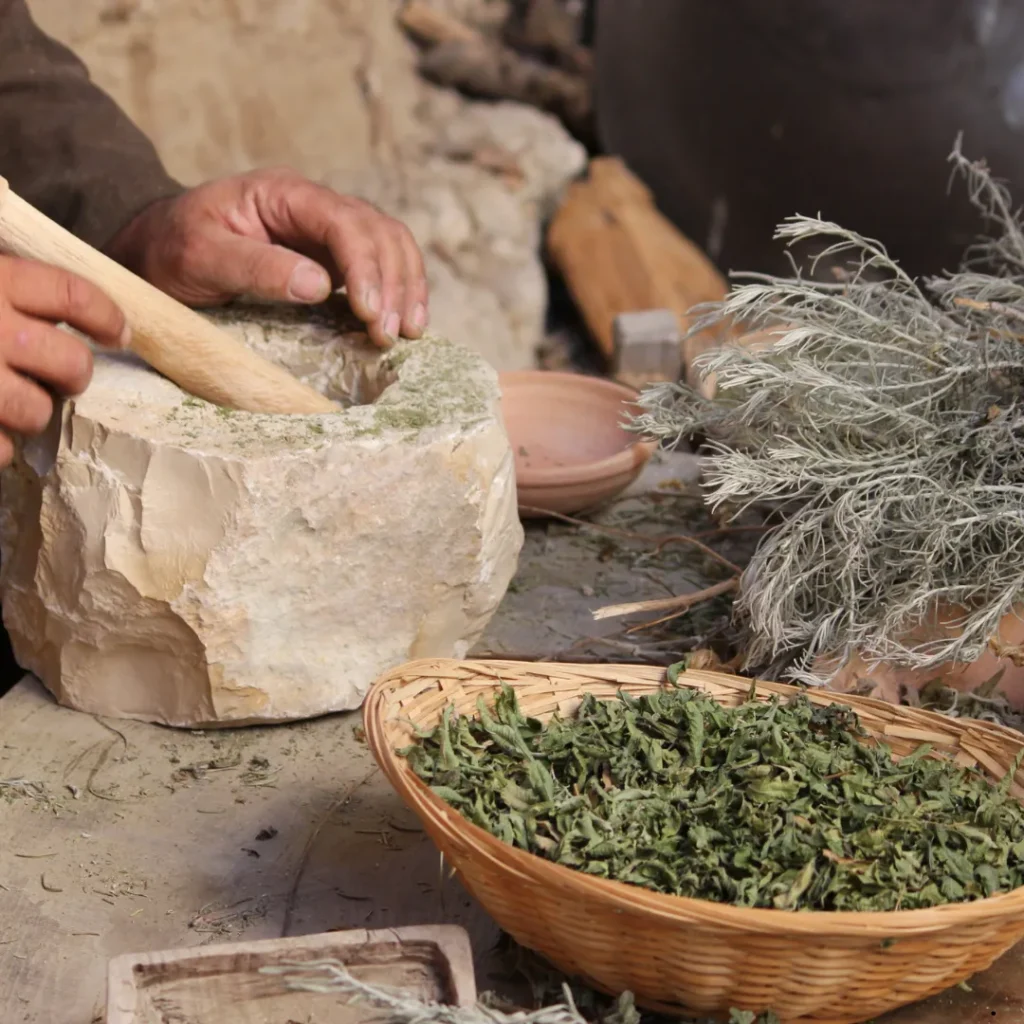
Welcome to the LICQual Level 3 Certificate in Natural Products and Herbal Medicine (Cert Natural Products and Herbal Medicine). This course provides a comprehensive introduction to the world of plant-based remedies, traditional medicine systems, and natural healthcare products. The purpose is to equip you with foundational knowledge about the safe use, preparation, and therapeutic applications of herbal medicines and natural products in modern healthcare settings.
The benefits of taking this course are significant for your professional development. You will gain the confidence to advise patients and customers on the appropriate use of herbal supplements, understand potential interactions with conventional medicines, and bridge the gap between traditional and modern healthcare approaches. This qualification enhances your professional credibility, supports your Continuing Professional Development, and opens doors to roles in integrative medicine, health food retail, and complementary therapy practice.
Throughout this program, participants will learn about common medicinal herbs, their therapeutic properties, safety considerations, and quality control of natural products. The key outcomes include the ability to identify major herbal medicines, understand their mechanisms of action, recognise potential contraindications, and apply knowledge of regulatory frameworks governing natural products. By the end of this certificate, you will have the foundational skills needed to integrate natural product knowledge into your professional practice safely and effectively.
Course Overview
Awarding Body
LICQual
Credits
24
Study Mood
Online
Assessment
Assignments Based
Course Study Units
- Introduction to Natural Products and Herbal Medicine
- Classification and Pharmacological Properties of Herbal Medicines
- Preparation, Formulation, and Dosage of Herbal Remedies
- Safety, Toxicology, and Quality Control in Herbal Medicine
- Evidence-Based Practice and Research in Natural Products
- Emerging Trends and Continuing Professional Development in Herbal Medicine

Entry Requirements
Who Can Enroll
This course is designed for individuals who are passionate about natural health approaches and want to build formal knowledge in herbal medicine and natural products.
- Healthcare professionals integrating herbal medicine into practice
- Pharmacy staff advising customers on natural products and supplements
- Complementary therapy practitioners expanding their herbal knowledge
- Health food store employees seeking professional qualification
- Individuals with personal interest in herbal medicine pursuing formal study
Course Learning Outcomes
Unit 1: Introduction to Natural Products and Herbal Medicine
- Understand the historical and contemporary use of natural products and herbal medicines.
- Identify key concepts, terminology, and classifications within herbal medicine.
- Analyse the role of herbal medicines in healthcare, wellness, and alternative therapies.
- Demonstrate awareness of professional and ethical considerations in the use of herbal products.
Unit 2: Classification and Pharmacological Properties of Herbal Medicines
- Classify natural products and herbal medicines according to therapeutic use and pharmacological activity.
- Explain the mechanisms of action and biochemical properties of common herbal remedies.
- Evaluate the efficacy of herbal medicines based on scientific evidence.
- Compare different classes of herbal products and their applications in healthcare.
Unit 3: Preparation, Formulation, and Dosage of Herbal Remedies
- Apply principles of formulation for the safe and effective preparation of herbal products.
- Determine appropriate dosage forms and routes of administration for herbal medicines.
- Demonstrate practical skills in the preparation and handling of herbal formulations.
- Assess the impact of preparation methods on the stability and effectiveness of herbal remedies.
Unit 4: Safety, Toxicology, and Quality Control in Herbal Medicine
- Identify potential safety concerns, toxicological risks, and contraindications in herbal medicines.
- Apply quality control measures to ensure the safety and efficacy of herbal products.
- Understand regulatory standards and best practices for herbal medicine safety.
- Evaluate case studies to identify and mitigate risks associated with herbal therapies.
Unit 5: Evidence-Based Practice and Research in Natural Products
- Critically appraise research studies related to natural products and herbal medicine.
- Apply evidence-based findings to support safe and effective practice.
- Develop research questions and design simple research projects in herbal medicine.
- Interpret and communicate research findings to support informed healthcare decisions.
Unit 6: Emerging Trends and Continuing Professional Development in Herbal Medicine
- Identify current trends, innovations, and challenges in herbal medicine and natural products.
- Understand the role of digital tools, databases, and technology in modern herbal research and practice.
- Develop strategies for Continuing Professional Development (CPD) to enhance knowledge and skills.
- Demonstrate reflective practice to support ongoing professional growth and evidence-based application of herbal therapies.