QualCert Level 3 Certificate in Pediatric Nutrition and Feeding (Cert Pediatric Nutrition)
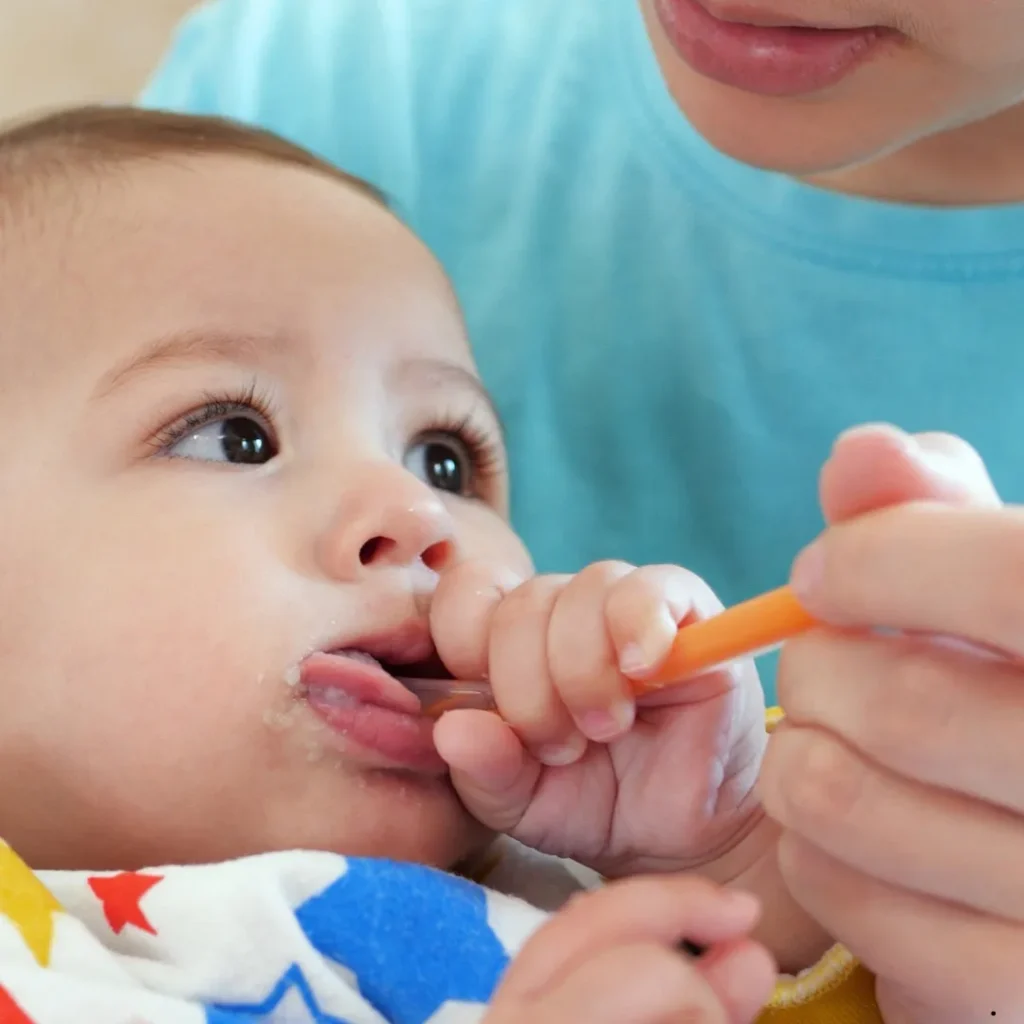
QualCert Level 3 Certificate in Pediatric Nutrition and Feeding (Cert Pediatric Nutrition) is a foundational qualification for individuals seeking to understand the unique nutritional needs of infants, children, and adolescents. This course provides comprehensive knowledge of growth and development stages and their impact on dietary requirements. It explores the critical role of nutrition in supporting optimal physical and cognitive development during childhood. The program addresses the growing demand for specialists in pediatric nutrition within healthcare and early years settings.
The benefits of completing this certificate are significant for those dedicated to improving children’s health and wellbeing. Participants gain essential competencies in understanding pediatric nutrition guidelines and age-appropriate dietary requirements. The curriculum enhances ability to identify common feeding difficulties and nutritional concerns in children from infancy to adolescence. Graduates develop skills to support parents and caregivers with evidence-based feeding advice and practical mealtime strategies.
Throughout the program, participants learn fundamental principles of nutrition across pediatric developmental stages including infancy, toddlerhood, and school-age years. They explore common pediatric conditions affecting nutrition including allergies, intolerances, and gastrointestinal disorders requiring dietary management. Graduates gain skills to conduct basic nutritional assessments and develop simple support plans for children with feeding difficulties. They learn to understand the importance of positive mealtime environments and responsive feeding practices for healthy development.
Course Overview
Awarding Body
QualCert
Credits
20 Credits
Study Mood
Online
Assessment
Assignments Based
Course Study Units
- Introduction to Pediatric Nutrition
- Growth, Development, and Nutritional Needs
- Feeding Practices and Techniques
- Nutritional Interventions for Pediatric Conditions
- Ethical, Legal, and Professional Considerations in Pediatric Nutrition

Entry Requirements
Who Can Enroll
The ideal learner for this course is someone passionate about improving nutrition and health outcomes for children. They are typically:
- Nursery staff and early years practitioners
- Healthcare assistants in pediatric settings
- Maternity support workers and doulas
- Children’s services support staff
- Parents seeking professional knowledge
- Compassionate individuals dedicated to child health
Course Learning Outcomes
Unit 1: Introduction to Pediatric Nutrition
- Understand the key concepts and principles of pediatric nutrition.
- Recognise the role of nutrition in growth, development, and overall health.
- Identify factors that influence child nutrition, including biological, social, and environmental determinants.
- Explain the importance of early nutritional interventions in supporting lifelong health.
Unit 2: Growth, Development, and Nutritional Needs
- Assess normal growth and developmental milestones in children.
- Understand macronutrient and micronutrient requirements at various pediatric stages.
- Analyse hydration and energy needs for infants, children, and adolescents.
- Apply knowledge to plan age-appropriate nutritional strategies.
Unit 3: Feeding Practices and Techniques
- Understand different feeding methods, including breastfeeding, formula feeding, and complementary feeding.
- Apply appropriate feeding techniques for infants and young children.
- Identify and manage common feeding challenges, including allergies and intolerances.
- Evaluate feeding practices to ensure nutritional adequacy and safety.
Unit 4: Nutritional Interventions for Pediatric Conditions
- Identify dietary strategies for managing common pediatric health conditions.
- Plan and implement evidence-based nutritional interventions.
- Monitor, evaluate, and adjust nutritional programmes for effectiveness.
- Integrate nutritional care within clinical or community settings safely and professionally.
Unit 5: Ethical, Legal, and Professional Considerations in Pediatric Nutrition
- Understand ethical principles and professional responsibilities in pediatric nutrition practice.
- Apply legal frameworks and guidelines relevant to child nutrition and feeding.
- Promote safe, high-quality, and evidence-based nutritional care.
- Demonstrate professional behaviour when working with children, families, and multidisciplinary teams.