
ProQual Level 3 Diploma for Electrical and Mechanical Draughtsman
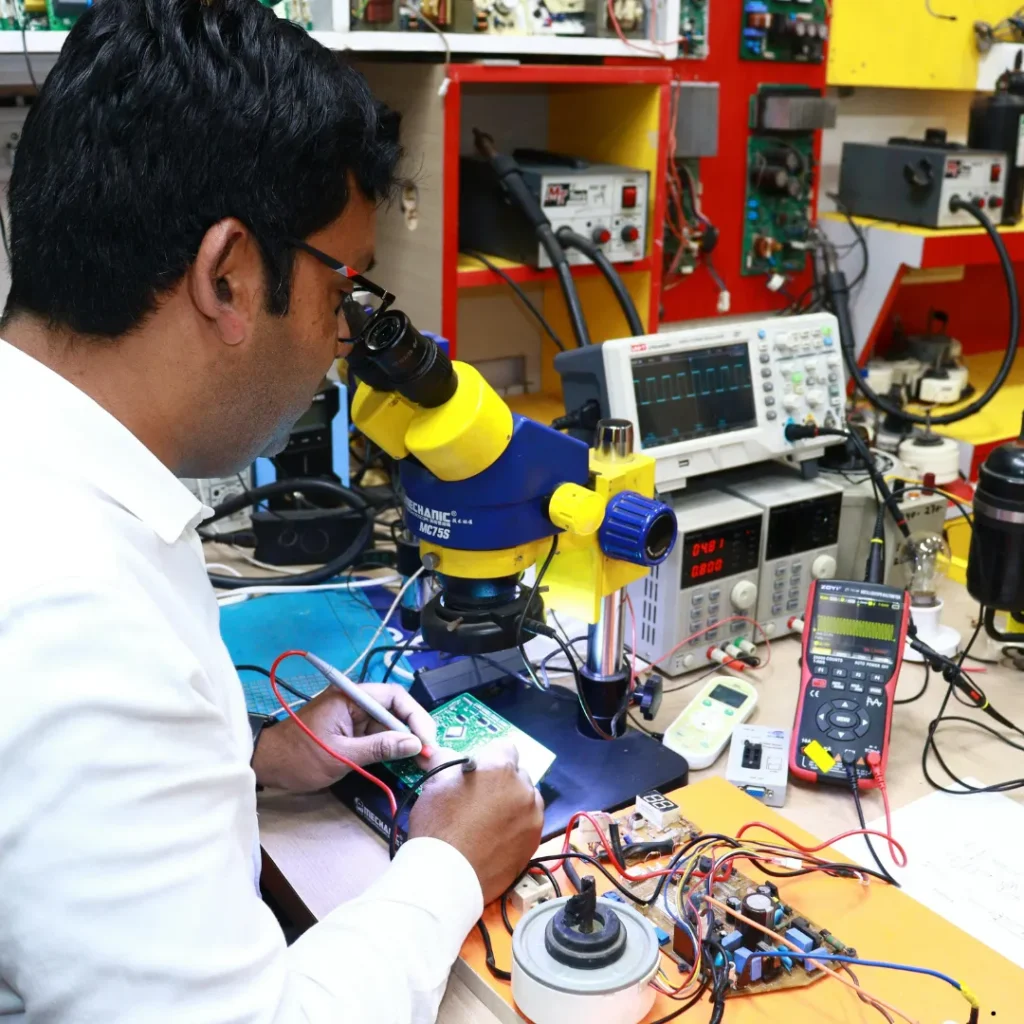
This is the ProQual Level 3 Diploma for Electrical and Mechanical Draughtsman, an advanced vocational qualification for individuals pursuing careers in technical drawing and design . The course is designed to develop specialist skills in producing accurate electrical and mechanical drawings for construction, engineering, and building services projects . Its purpose is to equip learners with the expertise to create precise technical documentation, interpret project specifications, and apply industry standards across complex engineering environments . This qualification is Ofqual-regulated, confirming it meets rigorous government standards for quality and consistency in vocational education .
The benefits of achieving this regulated diploma are substantial for both individuals and employers. Learners gain a nationally recognised credential demonstrating advanced competence in both electrical and mechanical drafting, making them versatile assets to multidisciplinary engineering firms . The course enhances problem-solving abilities for identifying design clashes during the drawing phase, saving significant time and costs during construction . Graduates significantly improve their employability for roles with major consultancies, contractors, and manufacturing companies . .
Throughout the programme, participants will learn to interpret project requirements and implement health and safety protocols within technical environments . They will master drawing office operations, equipment selection, and digital systems for managing technical documentation securely . The course covers site observation techniques and fundamentals of technical drawing application including 2D and pictorial representations of 3D objects .
Course Overview
Awarding Body
ProQual
GLH
6
Study Mood
Online
Assessment
Assignments Based
Course Study Units
- Project Planning and Health and Safety
- Drawing Office Operations and Equipment
- Site Observation and Technical Drawing
- Fundamentals of Technical Drawing Application
- Computer-Aided Design
- Parametric Modelling for Workflows
- Electrical and Mechanical Draughting and Technical Communication

Entry Requirements
Who Can Enroll
This qualification is designed for experienced professionals seeking advanced expertise in engineering surveying.
- Experienced engineering surveyors seeking progression
- Civil engineers and construction professionals
- Infrastructure project managers and supervisors
- Geospatial and mapping specialists
- Surveying technicians with industry experience
- Engineering consultants and contractors
- Graduates pursuing chartered status pathways
Course Learning Outcomes
Project Planning and Health and Safety (H&S)
- Interpret project requirements and develop a technical plan.
- Understand the relevant Health and Safety legislation and standards for a technical environment.
- Conduct a risk assessment and implement safe working practices.
- Communicate plans, Risks, hazards, and solutions to relevant personnel.
Drawing Office Operations and Equipment
- Select, inspect, and safely use draughting tools, equipment, and materials for technical tasks.
- Select and use measuring tools to gather accurate data in both drawings and site settings.
- Produce and communicate technical drawings and documentation.
- Use digital systems to create, present, and manage technical documents and data.
- Handle data securely and maintain compliant records using digital and physical systems.
Site Observation and Technical Drawing
- Understand drawing types, techniques, and applications.
- Gather and document site-based information.
- Use collated data to support effective technical drawing.
Fundamentals of Technical Drawing Application
- Understand technical drawings and associated documentation.
- Apply draughting standards and conventions to technical drawings.
- Construct 2D and pictorial representations of 3D objects using projections and geometry.
- Produce accurate freehand and scaled manual drawings.
Computer-Aided Design
- Set up and manage CAD systems and environment.
- Create and annotate 2D CAD drawings with precision.
- Use advanced CAD tools to organise and enhance drawings.
- Create and export 3D CAD models.
- Prepare final drawings using plotting and workflow integration
Parametric Modelling for Workflows
- Set up and use a parametric workstation effectively.
- Develop and document parametric components and assemblies.
- Manage the use of parametric modelling outputs in digital product development.
Electrical and Mechanical Draughting and Technical Communication
- Understand electrical and mechanical draughting requirements.
- Understand the production of electrical and mechanical drawings from data and specifications.
- Produce mechanical system drawings to specification.
- Produce electrical system drawings to specification.
- Coordinate and present multi-service drawings.
- Review and revise drawing outputs to meet project needs.