QualCert Level 7 Postgraduate Diploma in Pharmaceutical Regulatory Affairs (PgD Regulatory Affairs)
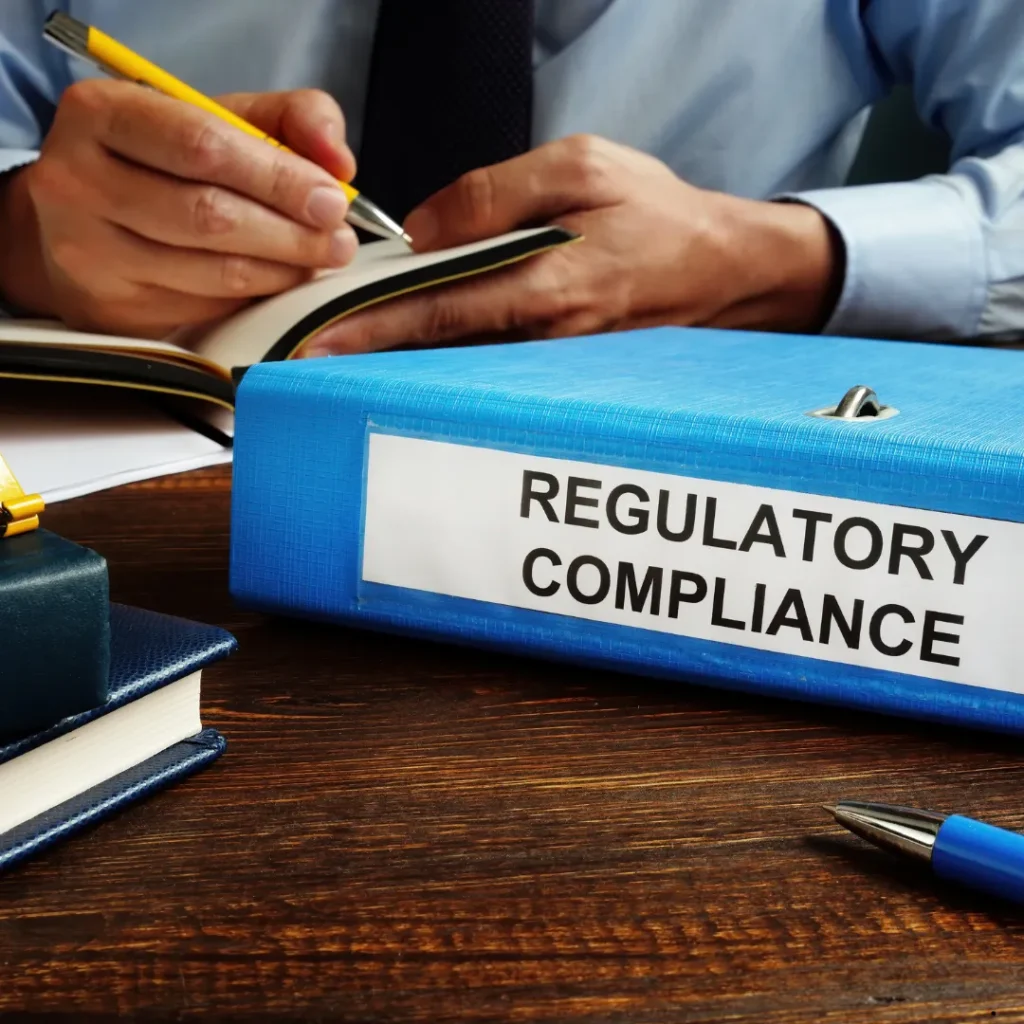
The QualCert Level 7 Postgraduate Diploma in Pharmaceutical Regulatory Affairs (PgD Regulatory Affairs) is an advanced postgraduate program designed to prepare pharmacists, scientists, and healthcare professionals to excel in the complex and highly specialized field of pharmaceutical regulation. This diploma responds to the growing global demand for professionals who can navigate diverse regulatory frameworks, harmonize compliance processes, and contribute to the safe and timely introduction of innovative therapies.
Learners will gain a comprehensive understanding of international regulatory systems, drug approval pathways, quality assurance standards, and pharmacovigilance requirements. The program emphasizes practical application, equipping learners with the skills to interpret regulatory guidelines, prepare submissions for health authorities, and manage compliance across the entire product lifecycle. Ethical considerations, global harmonization, and risk management are embedded throughout the curriculum, ensuring graduates are prepared to address the challenges of modern pharmaceutical regulation.
A distinctive feature of this diploma is its focus on bridging pharmaceutical science with regulatory practice. Participants will develop the ability to critically evaluate regulatory policies, contribute to strategic decision‑making, and lead compliance initiatives within pharmaceutical companies, regulatory agencies, and healthcare organizations. Graduates will be prepared for specialist roles in regulatory affairs departments, quality assurance units, contract research organizations, and academia.
Course Overview
Awarding Body
QualCert
Credits
120 Credits
Study Mood
Online
Assessment
Assignments Based
Course Study Units
- Global Pharmaceutical Regulatory Frameworks
- Drug Development and Regulatory Submissions
- Quality Assurance and Good Manufacturing Practice (GMP)
- Pharmacovigilance and Post-Marketing Surveillance
- Regulatory Strategy, Policy, and Ethics
- Emerging Trends and Innovation in Regulatory Affairs

Entry Requirements
Who Can Enroll
This diploma is designed for professionals aiming to specialize in pharmaceutical regulation and compliance.
- Pharmacists, scientists, or healthcare professionals working in pharmaceutical industries, regulatory agencies, or quality assurance units
- Interest in drug approval pathways, international regulatory frameworks, and compliance management
- Background in pharmacy, pharmaceutical sciences, medicine, biomedical sciences, or healthcare practice
- Analytical, detail‑oriented, and policy‑focused learners
- Motivated for specialist roles in regulatory affairs, quality assurance, compliance management, or academia
Course Learning Outcomes
Global Pharmaceutical Regulatory Frameworks
- Critically evaluate and compare the structure, function, and requirements of key global regulatory agencies such as the EMA, FDA, and MHRA.
- Analyse international regulatory harmonisation efforts and their implications for pharmaceutical product approval.
- Apply advanced knowledge of global frameworks to develop compliant regulatory strategies for multinational markets.
- Demonstrate the ability to interpret and implement complex legislative and regulatory changes in a professional context.
Drug Development and Regulatory Submissions
- Explain in depth the entire drug development process, including pre-clinical, clinical, and post-marketing phases.
- Design and manage regulatory submission strategies for new drug applications, variations, and renewals.
- Evaluate best practices to streamline approval timelines, reduce risks, and ensure continued compliance.
- Prepare high-quality regulatory documentation and dossiers that meet international standards.
Quality Assurance and Good Manufacturing Practice (GMP)
- Demonstrate comprehensive knowledge of GMP principles, quality systems, and operational compliance requirements.
- Critically assess risk management tools and methodologies for maintaining pharmaceutical quality.
- Conduct internal and external audits to evaluate manufacturing processes and ensure adherence to GMP.
- Develop strategies to address non-compliance issues and improve quality systems effectively.
Pharmacovigilance and Post-Marketing Surveillance
- Analyse advanced pharmacovigilance processes, including adverse event reporting and signal detection.
- Design and implement robust post-marketing surveillance systems to monitor product safety and efficacy.
- Interpret pharmacovigilance data to influence regulatory and clinical decisions for patient safety.
- Apply proactive risk management strategies to enhance the long-term safety of pharmaceutical products.
Regulatory Strategy, Policy, and Ethics
- Formulate and implement effective regulatory strategies that align with organisational objectives and market needs.
- Critically evaluate the ethical considerations and dilemmas inherent in regulatory decision-making.
- Influence and contribute to healthcare policy development through evidence-based recommendations.
- Adapt regulatory strategies to respond to evolving industry challenges and global health priorities.
Emerging Trends and Innovation in Regulatory Affairs
- Develop forward-looking strategies to ensure organisational competitiveness in a rapidly evolving regulatory landscape.
- Investigate the regulatory implications of emerging technologies such as digital health, biologics, and personalised medicine.
- Assess the impact of global harmonisation initiatives on regulatory efficiency and patient access to medicines.
- Apply innovative thinking to anticipate and address future challenges in pharmaceutical regulation.