OSHAA 30-Hours Professional Diploma in Shipboard Safety
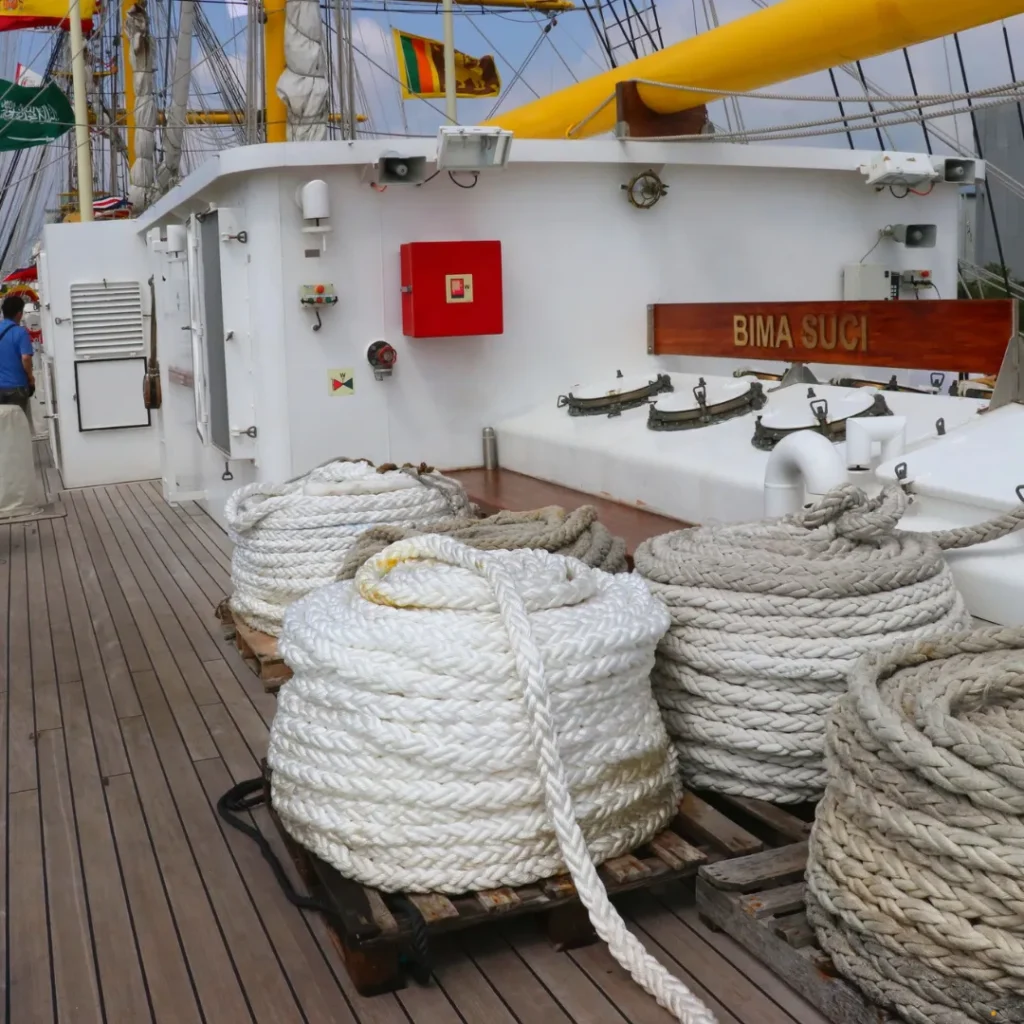
The OSHAA 30‑Hours Professional Diploma in Shipboard Safety is a specialized training program designed to help individuals understand and apply essential safety practices while working on ships or in marine environments. It focuses on practical knowledge such as hazard identification, emergency preparedness, and safe use of equipment. The purpose of this diploma is to build awareness and skills that reduce risks, protect lives, and promote a culture of safety at sea.
Enrolling in this course offers valuable benefits for learners across different backgrounds. Participants gain clear, step‑by‑step guidance on preventing accidents, handling emergencies, and maintaining safe working conditions onboard. The training also improves confidence in applying safety standards, which supports smoother operations and reduces downtime caused by incidents. These benefits extend beyond the workplace, as learners develop habits that strengthen personal responsibility and awareness in everyday life.
Shipboard safety is critical because marine environments present unique challenges such as confined spaces, heavy machinery, and unpredictable weather. This diploma ensures learners are equipped with practical skills to manage these risks effectively. With easy‑to‑understand content and real‑world examples, the program makes safety knowledge accessible and actionable. By completing the course, individuals not only protect themselves and their colleagues but also contribute to safer, more efficient shipboard operations overall.
Course Overview
Awarding Body
OSHAA
Duration
30-Hours
Study Mood
Online
Assessment
Assignments Based
Course Study Units
- Introduction to Shipboard Safety and International Maritime Regulations (3 hours)
- Identification of Shipboard Hazards and Risk Assessment Techniques (5 hours)
- Use and Maintenance of Personal Protective Equipment (PPE) (3 hours)
- Fire Prevention, Detection, and Shipboard Firefighting Procedures (4 hours)
- Emergency Preparedness and Response Planning (6 hours)
- Lifesaving Equipment and Survival Techniques at Sea (3 hours)
- Safe Working Practices and Permit-to-Work Systems (3 hours)
- Accident and Incident Reporting, Investigation, and Analysis (3 hours)

Entry Requirements
Who Can Enroll
This diploma is designed for individuals who want to strengthen their knowledge and skills in shipboard safety and apply them effectively in marine environments.
- Learners interested in shipboard safety practices
- People working in marine or shipping industries
- Individuals aiming to improve workplace safety culture
- Professionals seeking practical knowledge of hazard prevention
- Learners motivated to build confidence in safety responsibilities
- Those who want globally applicable safety skills
Course Learning Outcomes
Introduction to Shipboard Safety and International Maritime Regulations (3 hours)
- Understand the core principles of shipboard safety within maritime operations
- Recognise the role of international organisations such as IMO in safety regulation
- Identify key maritime safety conventions, including SOLAS and MARPOL
- Apply relevant safety codes and procedures in shipboard contexts
Identification of Shipboard Hazards and Risk Assessment Techniques (5 hours)
- Identify common physical, chemical, and operational hazards on board vessels
- Conduct structured risk assessments using maritime-specific frameworks
- Apply hazard identification tools such as Job Safety Analysis (JSA) and checklists
- Recommend appropriate control measures to mitigate identified risks
Use and Maintenance of Personal Protective Equipment (PPE) (3 hours)
- Select appropriate PPE based on specific shipboard tasks and hazards
- Demonstrate correct usage and fitting of common maritime PPE
- Understand maintenance, inspection, and storage procedures for PPE
- Recognise limitations and regulatory requirements related to PPE
Fire Prevention, Detection, and Shipboard Firefighting Procedures (4 hours)
- Identify common causes and classes of shipboard fires
- Understand the layout and function of fire detection and suppression systems
- Respond to different types of fires using appropriate extinguishing methods
- Participate in onboard firefighting drills and emergency coordination
Emergency Preparedness and Response Planning (6 hours)
- Develop ship-specific emergency response plans and protocols
- Recognise key roles and responsibilities during onboard emergencies
- Participate effectively in evacuation procedures and emergency drills
- Apply communication strategies during high-risk incidents and distress situations
Lifesaving Equipment and Survival Techniques at Sea (3 hours)
- Identify types of lifesaving appliances carried on various vessels
- Demonstrate correct usage of lifejackets, lifeboats, and immersion suits
- Understand survival priorities in man-overboard and abandonment scenarios
- Perform procedures for launching and operating lifesaving equipment
Safe Working Practices and Permit-to-Work Systems (3 hours)
- Understand the principles of safe working practices in confined and hazardous areas
- Implement lockout/tagout and permit-to-work systems onboard
- Promote housekeeping and hazard awareness in shipboard environments
- Reduce human error through adherence to safety protocols and checklists
Accident and Incident Reporting, Investigation, and Analysis (3 hours)
- Recognise the importance of timely and accurate accident reporting
- Complete standard maritime incident report forms and logs
- Participate in root cause analysis using methods such as the “5 Whys” and fishbone diagrams
- Apply findings from incident investigations to improve shipboard safety practices