OSHAA 30-Hours Diploma in Firefighting and Shipboard Safety
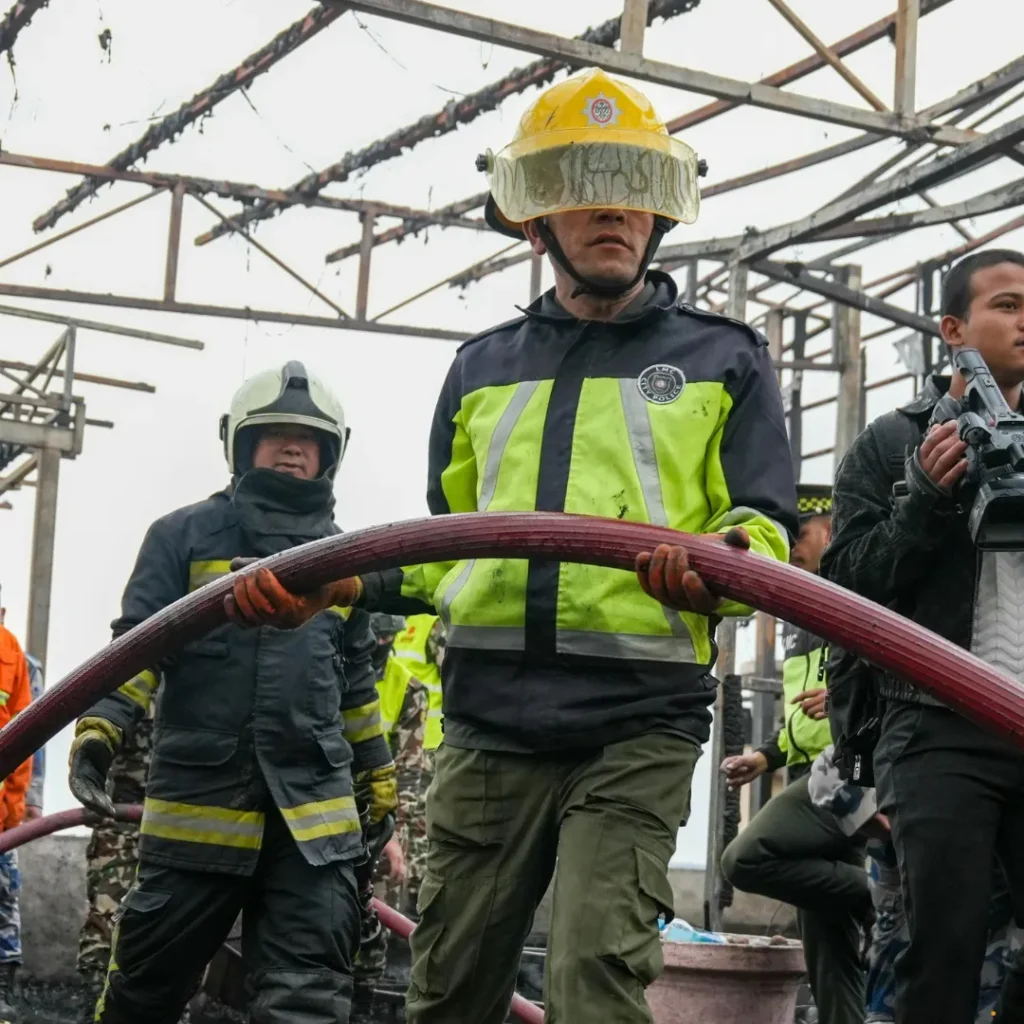
The OSHAA 30‑Hours Diploma in Firefighting and Shipboard Safety is a comprehensive training program designed to provide learners with practical knowledge and hands‑on skills for managing fire hazards and ensuring safety onboard ships. It covers essential areas such as fire prevention, emergency response, and safe shipboard practices, making it highly relevant for anyone working in marine environments. The purpose of this diploma is to prepare individuals to act with confidence during emergencies, protect lives, and maintain a strong safety culture that supports both personal and organizational well‑being.
One of the key benefits of enrolling in this course is the structured, step‑by‑step guidance it offers. Learners gain practical firefighting techniques, understand how to use safety equipment correctly, and develop the ability to identify hazards before they escalate. The training also enhances awareness of shipboard risks and strengthens decision‑making skills under pressure. By mastering these practices, participants contribute to safer operations, reduce accidents, and improve overall workplace efficiency, which is highly valued in the shipping and marine industries.
Shipboard environments present unique challenges, including confined spaces, heavy machinery, and unpredictable conditions. This diploma makes complex safety requirements easy to understand through accessible content and practical examples. Learners not only develop professional skills but also build personal responsibility and discipline. Completing the program ensures participants are prepared to manage fire risks and shipboard safety effectively, supporting both individual well‑being and organizational compliance.
Course Overview
Awarding Body
OSHAA
Duration
30-Hours
Study Mood
Online
Assessment
Assignments Based
Course Study Units
- Introduction to Shipboard Safety and Emergency Protocols (3 hours)
- Fundamentals of Marine Firefighting and Fire Science (4 hours)
- Shipboard Fire Detection, Suppression Systems and Equipment Handling (4 hours)
- Personal Protective Equipment (PPE) and Breathing Apparatus Use (3 hours)
- Firefighting Strategies in Confined and Enclosed Spaces (4 hours)
- Emergency Escape, Evacuation, and Muster Station Procedures (3 hours)
- Enclosed Space Entry and Rescue Operations (4 hours)
- Personal Survival Techniques and Life-Saving Appliances (3 hours)

Entry Requirements
Who Can Enroll
This diploma is designed for individuals who want to strengthen their knowledge and skills in firefighting and shipboard safety, ensuring safer operations in marine environments.
- Learners interested in shipboard safety practices
- People working in marine or shipping industries
- Individuals aiming to improve workplace safety and compliance
- Professionals seeking practical knowledge of fire prevention and response
- Learners motivated to build confidence in safety responsibilities
- Those who want globally applicable safety skills
Course Learning Outcomes
Introduction to Shipboard Safety and Emergency Protocols (3 hours)
- Understand the structure and importance of shipboard safety systems and emergency plans
- Identify roles and responsibilities during emergency scenarios at sea
- Recognise the procedures for raising alarms and initiating emergency response
Fundamentals of Marine Firefighting and Fire Science (4 hours)
- Explain the fire triangle and its relevance to marine environments
- Identify types of fires common to vessels and their causes
- Apply principles of fire behaviour and combustion in shipboard scenarios
Shipboard Fire Detection, Suppression Systems and Equipment Handling (4 hours)
- Understand different types of shipboard fire detection and alarm systems
- Operate fixed and portable fire suppression systems safely
- Demonstrate correct handling and maintenance of firefighting equipment
Personal Protective Equipment (PPE) and Breathing Apparatus Use (3 hours)
- Select and use appropriate PPE for firefighting and emergency response
- Operate self-contained breathing apparatus (SCBA) effectively
- Maintain and inspect PPE and breathing apparatus for operational readiness
Firefighting Strategies in Confined and Enclosed Spaces (4 hours)
- Apply tactical approaches to fire suppression in enclosed ship compartments
- Navigate and coordinate safely in low-visibility and restricted-access areas
- Manage ventilation and prevent backdrafts during firefighting efforts
Emergency Escape, Evacuation, and Muster Station Procedures (3 hours)
- Execute safe evacuation and escape procedures under simulated conditions
- Identify muster points and follow ship-specific evacuation protocols
- Understand crew accountability and passenger safety during emergencies
Enclosed Space Entry and Rescue Operations (4 hours)
- Conduct pre-entry checks and risk assessments for enclosed spaces
- Implement rescue procedures using approved safety techniques
- Coordinate with team members to perform safe and efficient recoveries
Personal Survival Techniques and Life-Saving Appliances (3 hours)
- Demonstrate survival strategies in cold water and open sea environments
- Operate life-saving appliances such as life jackets, life rafts, and EPIRBs
- Understand procedures for abandoning ship and surviving until rescue