OSHAA 30-Hours Professional Diploma in Shipboard Firefighting
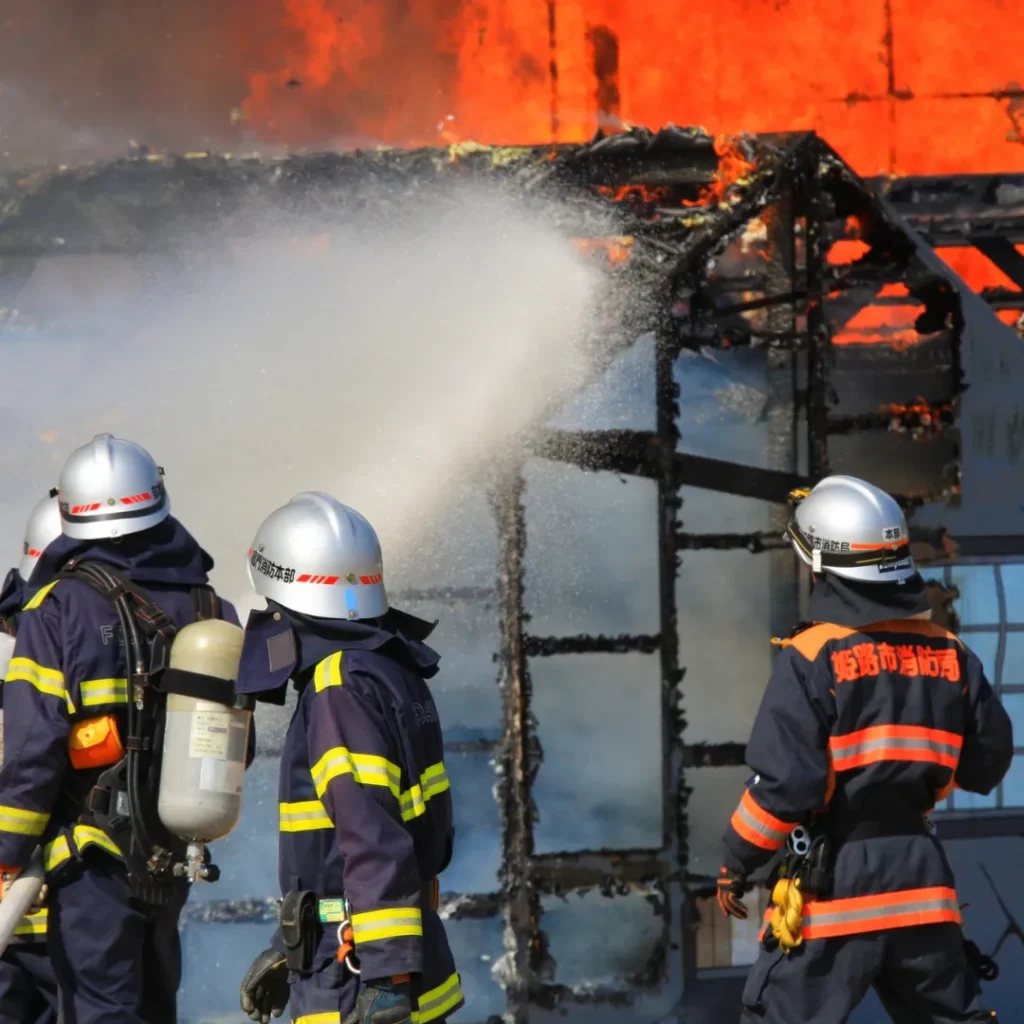
The OSHAA 30‑Hours Professional Diploma in Shipboard Firefighting is a specialized training program designed to prepare individuals for the unique challenges of fire safety in marine environments. It focuses on essential areas such as fire prevention, emergency response, and the safe use of firefighting equipment onboard ships. The purpose of this diploma is to equip learners with the confidence and practical skills needed to handle fire emergencies effectively, protect lives, and maintain a strong safety culture at sea.
Enrolling in this course offers significant benefits for learners. Participants receive step‑by‑step guidance on firefighting techniques, hazard identification, and safe operational practices. The training also emphasizes teamwork, communication, and decision‑making under pressure—skills that are critical during emergencies at sea. By mastering these procedures, learners contribute to safer shipboard operations, reduce the risk of accidents, and improve overall efficiency in maritime workplaces.
Beyond technical expertise, the diploma also helps learners develop personal responsibility, discipline, and leadership qualities. Shipboard environments present unique challenges such as confined spaces, heavy machinery, and unpredictable conditions, and this program makes complex safety requirements easy to understand through practical examples and accessible content. Completing the diploma ensures participants are well‑prepared to manage fire risks onboard, safeguard their colleagues, and support international standards of maritime safety. This makes the qualification valuable not only for professional growth but also for building a resilient and safety‑focused career at sea.
Course Overview
Awarding Body
OSHAA
Duration
30-Hours
Study Mood
Online
Assessment
Assignments Based
Course Study Units
- Introduction to Shipboard Firefighting and Fire Safety Principles (3 hours)
- Fire Science and Behaviour in Maritime Environments (4 hours)
- Fire Prevention and Detection Systems on Ships (4 hours)
- Firefighting Equipment and Personal Protective Gear (5 hours)
- Firefighting Techniques and Suppression Methods (5 hours)
- Emergency Response and Evacuation Procedures (3 hours)
- Handling Hazardous Materials and Fire Risks on Board (3 hours)
- International Maritime Fire Safety Regulations and Compliance (3 hours)

Entry Requirements
Who Can Enroll
This diploma is designed for individuals who want to strengthen their knowledge and skills in shipboard firefighting, ensuring safer operations in marine environments.
- Learners interested in fire safety and emergency response onboard ships
- People working in marine, shipping, or offshore industries
- Individuals aiming to improve workplace safety and compliance at sea
- Professionals seeking practical knowledge of fire prevention and firefighting techniques
- Learners motivated to build confidence in handling emergencies onboard
Course Learning Outcomes
Introduction to Shipboard Firefighting and Fire Safety Principles
- Understand the fundamental concepts of shipboard firefighting and the importance of fire safety
- Recognise common fire hazards specific to maritime settings
- Describe the basic principles of fire prevention and control on ships
Fire Science and Behaviour in Maritime Environments
- Explain the chemistry and physics of fire and combustion processes
- Identify how fire behaves differently in enclosed shipboard environments
- Analyse factors influencing fire spread and intensity on vessels
Fire Prevention and Detection Systems on Ships
- Identify various fire detection technologies used on ships
- Understand the design and function of fire prevention systems
- Develop skills to monitor and maintain fire safety equipment effectively
Firefighting Equipment and Personal Protective Gear
- Recognise different types of firefighting equipment available on ships
- Demonstrate proper use and maintenance of firefighting tools and gear
- Understand the importance of personal protective equipment (PPE) for safety during fire incidents
Firefighting Techniques and Suppression Methods
- Apply appropriate firefighting techniques for different classes of fires
- Demonstrate proficiency in the use of fire suppression agents and extinguishers
- Develop strategies for effective fire containment and extinguishment onboard
Emergency Response and Evacuation Procedures
- Plan and execute emergency response actions during fire incidents
- Understand shipboard evacuation protocols and muster procedures
- Enhance decision-making skills for quick and safe evacuation
Handling Hazardous Materials and Fire Risks on Board
- Identify hazardous materials commonly found on ships and associated fire risks
- Apply safety measures for handling and storing flammable substances
- Manage fire risks related to hazardous cargo effectively
International Maritime Fire Safety Regulations and Compliance
- Understand key international regulations governing shipboard fire safety
- Ensure compliance with IMO and SOLAS fire safety standards
- Develop practices that align with legal requirements and promote maritime safety