OSHAA 30-Hours Professional Diploma in Free Style Swimming
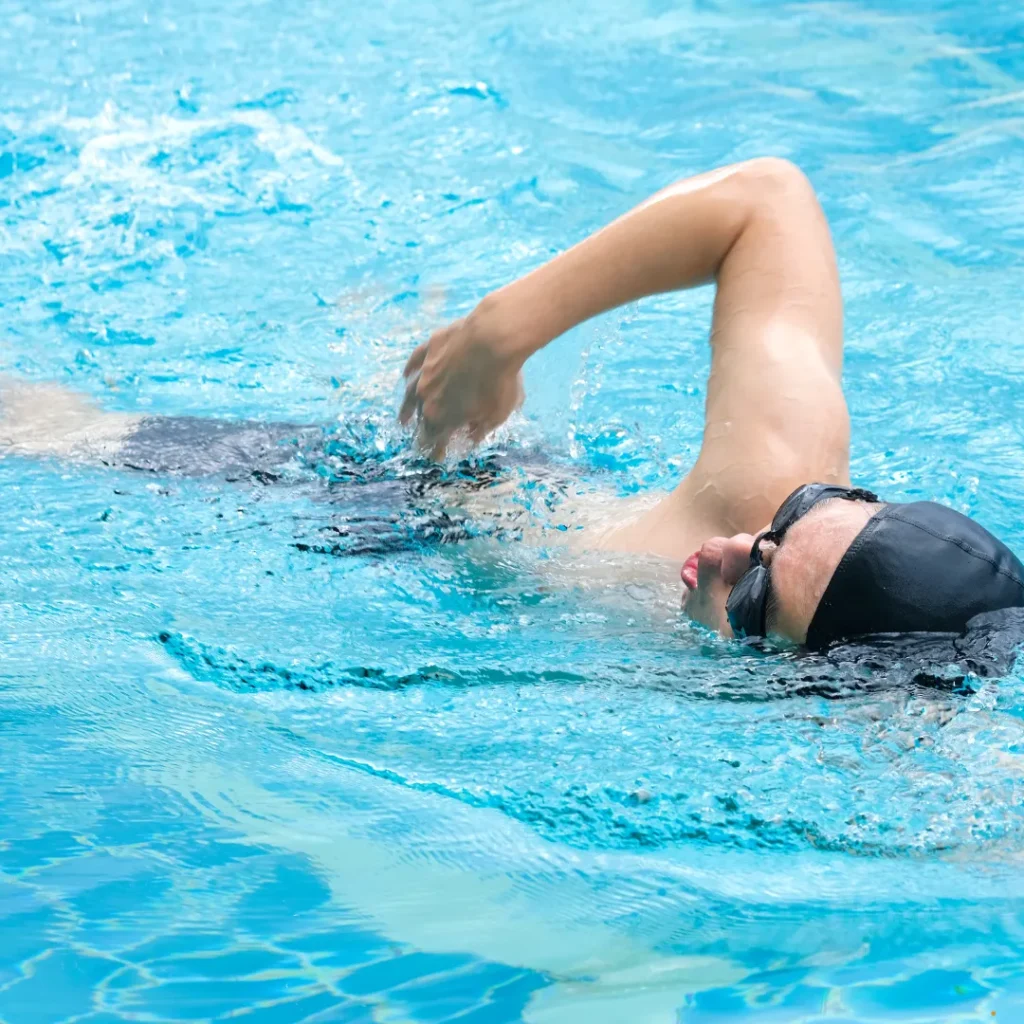
The OSHAA 30‑Hours Professional Diploma in Free Style Swimming is a comprehensive program designed to help learners master one of the most essential and widely practiced swimming techniques. The purpose of this diploma is to provide structured training in freestyle stroke mechanics, breathing control, and water safety, ensuring participants can swim with efficiency, confidence, and endurance. It is suitable for beginners who want to learn swimming from the ground up, as well as those who already have some experience and wish to refine their technique in a professional and systematic way.
One of the most valuable aspects of this diploma is its focus on practical, step‑by‑step learning that makes swimming accessible to everyone. Learners are guided through modules covering body alignment, arm movements, leg kicks, and breathing rhythm, with each skill taught progressively to build stamina and speed. The program emphasizes not only technical accuracy but also the importance of relaxation, confidence, and rhythm in the water. By combining theory with hands‑on practice, participants develop the ability to swim longer distances with proper form, making freestyle swimming both enjoyable and effective.
Completing this diploma offers significant benefits for both personal growth and professional opportunities. On a personal level, learners improve physical fitness, flexibility, and cardiovascular health while gaining confidence in aquatic environments. Professionally, the diploma can support careers in sports, fitness training, and aquatic safety, as freestyle swimming is recognized globally across competitive and recreational contexts.By the end of the program, participants are equipped with the skills to swim efficiently, inspire others, and contribute to promoting water safety and fitness in their communities.
Course Overview
Awarding Body
OSHAA
Duration
30-Hours
Study Mood
Online
Assessment
Assignments Based
Course Study Units
- Introduction to Freestyle Swimming: History and Benefits (2 Hours)
- Anatomy and Physiology Relevant to Swimming (3 Hours)
- Basic Freestyle Stroke Mechanics and Body Positioning (4 Hours)
- Breathing Techniques and Rhythm in Freestyle (5 Hours)
- Kicking Techniques and Leg Coordination (3 Hours)
- Starts, Turns, and Finishes (4 Hours)
- Training Methods for Endurance and Speed (4 Hours)
- Injury Prevention and Swimming Safety (5 Hours)

Entry Requirements
Who Can Enroll
The diploma is designed for individuals who want to build confidence and skill in freestyle swimming through structured, step‑by‑step training.
- Beginners eager to learn freestyle swimming
- Learners aiming to improve stamina and technique
- Individuals interested in water safety and fitness
- Sports enthusiasts seeking professional swimming skills
- Those motivated to pursue recreational or competitive swimming
- People looking to enhance confidence in aquatic environments
Course Learning Outcomes
Introduction to Freestyle Swimming: History and Benefits (2 Hours)
- Understand the origins and evolution of freestyle swimming
- Recognise the physical and mental health benefits of swimming
- Appreciate the role of freestyle in competitive and recreational swimming
Anatomy and Physiology Relevant to Swimming (3 Hours)
- Identify key muscle groups used in freestyle swimming
- Understand how cardiovascular and respiratory systems support swimming performance
- Relate anatomical knowledge to improving stroke efficiency and endurance
Basic Freestyle Stroke Mechanics and Body Positioning (4 Hours)
- Demonstrate correct arm movement and body alignment in freestyle
- Maintain streamlined body position to reduce drag in the water
- Coordinate upper body movements to enhance propulsion
Breathing Techniques and Rhythm in Freestyle (5 Hours)
- Apply effective breathing patterns to maintain oxygen supply during swimming
- Synchronise breathing with stroke rhythm for improved efficiency
- Develop control over inhalation and exhalation underwater
Kicking Techniques and Leg Coordination (3 Hours)
- Perform proper flutter kick technique to support forward motion
- Coordinate leg movements with arm strokes and breathing
- Understand the role of kicking in balance and propulsion
Starts, Turns, and Finishes (4 Hours)
- Execute effective diving starts and streamline entry into the water
- Perform smooth flip turns to maintain speed and momentum
- Apply proper finishing techniques for competitive advantage
Training Methods for Endurance and Speed (4 Hours)
- Develop training plans focusing on building stamina and speed
- Incorporate interval and resistance training specific to swimming
- Monitor progress and adjust training to achieve performance goals
Injury Prevention and Swimming Safety (5 Hours)
- Identify common swimming-related injuries and their causes
- Apply stretching and conditioning exercises to prevent injury
- Understand safety protocols and emergency procedures in aquatic environments