OSHAA 30-Hours Professional Diploma in Farm Safety
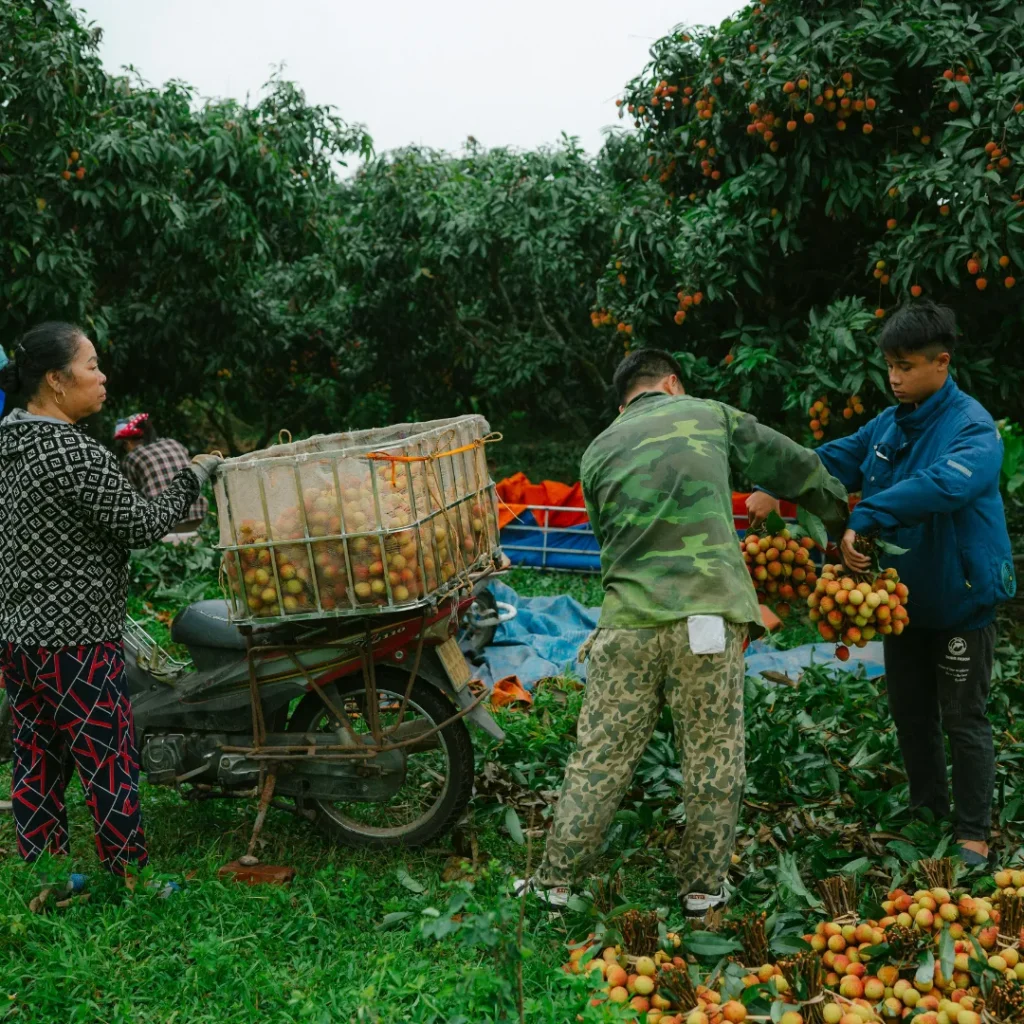
The OSHAA 30‑Hours Professional Diploma in Farm Safety is a specialized training program designed to raise awareness and build practical skills for safe practices in agricultural environments. The purpose of this diploma is to help learners understand the risks associated with farming activities and provide clear, step‑by‑step guidance on how to prevent accidents, protect workers, and ensure a safe working environment. It focuses on both physical safety and responsible practices, making it suitable for individuals at all levels of experience.
One of the key benefits of this course is its practical approach to learning. Learners are introduced to essential topics such as machinery handling, chemical safety, livestock management, and emergency response. The program uses simple language and real‑world examples, ensuring participants can easily grasp safety concepts and apply them in daily farm operations. By combining theory with practical exercises, the diploma builds confidence and equips learners with the ability to identify hazards and take proactive measures to reduce risks.
Completing this diploma offers significant advantages for both personal and professional growth. It enhances employability in agriculture, agribusiness, and rural development sectors, while also empowering individuals to create safer environments for themselves and their communities. The training is internationally relevant, as farm safety is a global concern, and the skills gained can be applied across diverse agricultural settings. By the end of the program, learners are prepared to contribute to safer, more productive farms while promoting health, sustainability, and responsibility in agricultural work.
Course Overview
Awarding Body
OSHAA
Duration
30-Hours
Study Mood
Online
Assessment
Assignments Based
Course Study Units
- Introduction to Farm Safety (2 hours)
- Identifying Agricultural Hazards (5 hours)
- Risk Assessment and Management in Farm Operations (4 hours)
- Safe Operation of Agricultural Machinery and Equipment (4 hours)
- Manual Handling and Ergonomics in Farming (3 hours)
- Pesticide and Chemical Safety on Farms (4 hours)
- Livestock Handling and Safety (5 hours)
- Fire Safety and Emergency Procedures on Farms (3 hours)

Entry Requirements
Who Can Enroll
This diploma is designed for individuals who want to build knowledge and confidence in farm safety through practical, easy‑to‑understand training.
- Beginners interested in safe farming practices
- Farmers and agricultural workers
- Learners aiming to improve workplace safety
- Individuals working with machinery or livestock
- Those motivated to reduce risks in agriculture
- People seeking awareness of chemical and environmental safety
Course Learning Outcomes
Introduction to Farm Safety (2 hours)
- Understand the importance of farm safety in the agricultural sector
- Recognise common health and safety risks on farms
- Identify the roles and responsibilities of employers and employees in ensuring farm safety
- Explain the key components of an effective farm safety management system
Identifying Agricultural Hazards (5 hours)
- Recognise common hazards found on farms, including machinery, livestock, chemicals, and environmental factors
- Understand the potential risks associated with each hazard
- Develop strategies to assess and prioritise farm hazards effectively
- Identify hazards in different agricultural settings such as crops, livestock, and machinery operations
Risk Assessment and Management in Farm Operations (4 hours)
- Understand the principles of risk assessment in farm operations
- Conduct risk assessments to evaluate potential hazards and their impacts
- Apply appropriate control measures based on risk assessment findings
- Develop action plans to mitigate risks and improve safety standards on the farm
Safe Operation of Agricultural Machinery and Equipment (4 hours)
- Understand the safe operation and maintenance of agricultural machinery
- Identify key safety features of various farm equipment
- Demonstrate knowledge of equipment-specific risks and how to mitigate them
- Implement safety protocols for machinery operation and maintenance to prevent accidents
Manual Handling and Ergonomics in Farming (3 hours)
- Recognise the risks associated with poor manual handling techniques on farms
- Apply safe lifting and carrying practices to reduce injury risk
- Understand ergonomic principles to design safer workstations and tasks
- Develop strategies to improve physical wellbeing in farming activities
Pesticide and Chemical Safety on Farms (4 hours)
- Understand the risks associated with pesticide and chemical use in farming
- Learn how to safely store, handle, and apply pesticides and chemicals
- Interpret safety data sheets and hazard symbols related to farm chemicals
- Implement best practices for chemical disposal and environmental safety
Livestock Handling and Safety (5 hours)
- Understand the risks involved in handling livestock on farms
- Apply safe practices for the movement, restraint, and care of animals
- Recognise behavioural cues and signs of stress in livestock to ensure safe handling
- Ensure compliance with animal welfare regulations and improve animal safety protocols
Fire Safety and Emergency Procedures on Farms (3 hours)
- Identify common fire risks and hazards on farms
- Understand fire prevention techniques and safety measures for farms
- Develop and implement emergency response plans for fire and other emergencies
- Demonstrate knowledge of fire safety equipment and evacuation procedures specific to farm environments