LICQual Level 6 Diploma in Pharmaceutical Biotechnology (D Pharmaceutical Biotechnology)
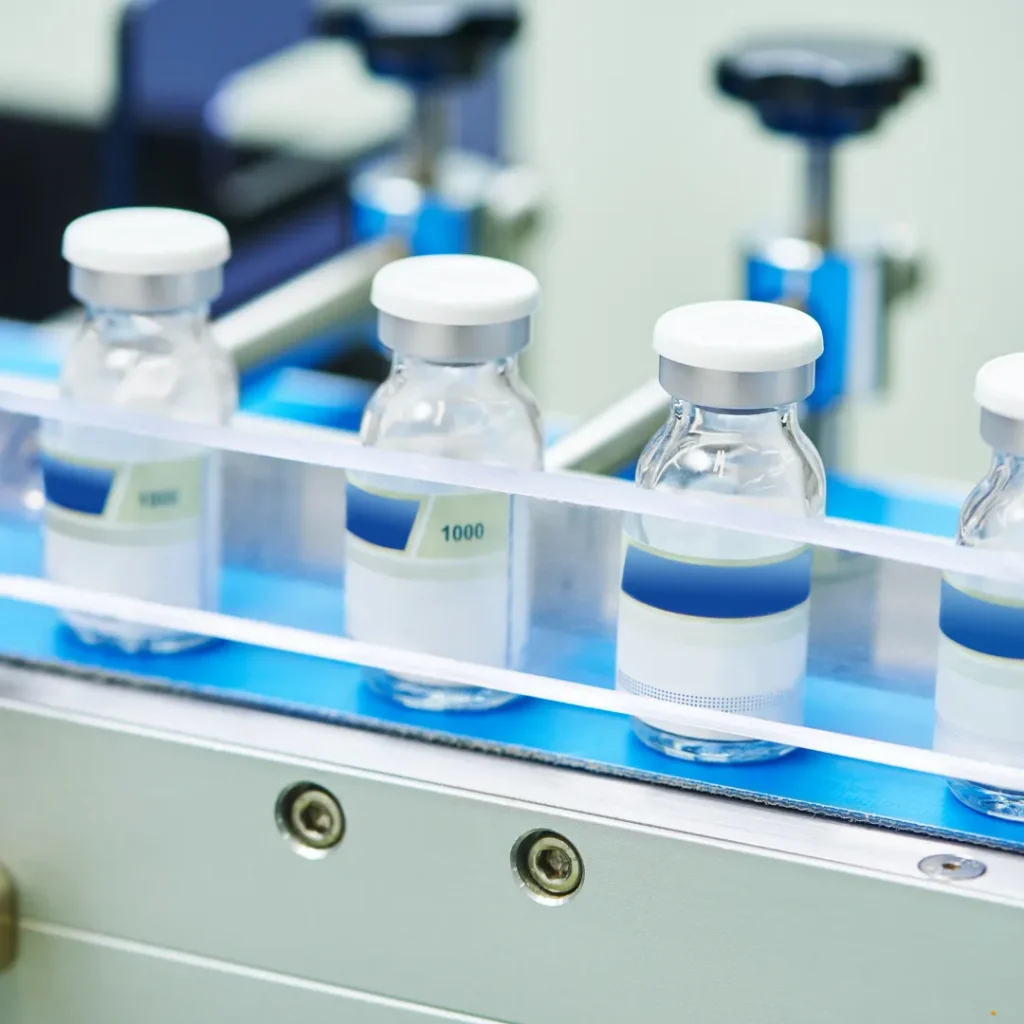
The LICQual Level 6 Diploma in Pharmaceutical Biotechnology (D Pharmaceutical Biotechnology) is an advanced professional qualification designed for individuals who want to understand how biological processes are used to develop modern medicines. The purpose of this diploma is to provide you with a solid foundation in the principles of biotechnology as they apply to the pharmaceutical industry, bridging the gap between laboratory science and real‑world drug development.
You will learn about cell culture, protein engineering, downstream processing, and the quality systems required to ensure biologic medicines are safe and effective. This knowledge allows you to contribute more effectively to research and development, manufacturing, quality assurance, or regulatory affairs teams. By completing this diploma, you enhance your technical expertise, increase your career opportunities in the biotech and pharmaceutical sectors, and position yourself as a specialist in this cutting‑edge field.
It is important to note that the LICQual Level 6 Diploma in Pharmaceutical Biotechnology is a stand‑alone vocational qualification focused on practical, industry‑relevant knowledge, rather than an academic degree. This makes it an ideal choice for scientists, laboratory technicians, quality professionals, and others already working in or aspiring to enter the biopharmaceutical industry who want to advance without committing to a lengthy university program. By emphasizing the science and application of biotechnology in medicine development, this diploma prepares you to take on technical roles with confidence and make a meaningful impact in the development of tomorrow’s life‑saving therapies.
Course Overview
Awarding Body
LICQual
Credits
120
Study Mood
Online
Assessment
Assignments Based
Course Study Units
- Advanced Principles of Pharmaceutical Biotechnology
- Biopharmaceutical Product Development and Commercialization
- Regulatory Affairs, Governance, and Compliance
- Advanced Quality Assurance and Quality Control Systems
- Bioprocess Engineering and Industrial Applications
- Research, Innovation, and Strategic Leadership in Biotechnology

Entry Requirements
Who Can Enroll
This qualification is designed for science and pharmaceutical professionals who want to specialize in the development and manufacturing of biologic medicines.
- Currently working in pharmaceutical biotechnology, research and development, quality control, or manufacturing
- Holds a background in life sciences, pharmacy, or a related scientific discipline
- Looking to deepen understanding of biopharmaceutical processes such as cell culture, protein purification, and formulation
- Keen to work with advanced therapies including vaccines, monoclonal antibodies, and gene-based treatments
- Wants to build specialist knowledge that supports career growth in the biotech industry
Course Learning Outcomes
Unit 1: Advanced Principles of Pharmaceutical Biotechnology
By the end of this unit, learners will be able to:
- Critically evaluate advanced principles of biotechnology and their pharmaceutical applications
- Apply molecular biology, genetic engineering, and bioinformatics tools in drug discovery and development
- Analyse the contribution of biotechnology to innovative therapeutic solutions
Unit 2: Biopharmaceutical Product Development and Commercialisation
By the end of this unit, learners will be able to:
- Demonstrate knowledge of advanced drug formulation and large-scale biopharmaceutical production processes
- Evaluate strategies for product lifecycle management from research through to market release
- Assess global opportunities and challenges in the commercialisation of biopharmaceutical products
Unit 3: Regulatory Affairs, Governance, and Compliance
By the end of this unit, learners will be able to:
- Interpret and apply international regulatory standards including GMP, GLP, GCP, and ICH guidelines
- Analyse the ethical, legal, and governance considerations in pharmaceutical biotechnology
- Prepare and review regulatory documentation to support product approval and compliance
Unit 4: Advanced Quality Assurance and Quality Control Systems
By the end of this unit, learners will be able to:
- Design and implement comprehensive QA and QC systems for biotechnology-based pharmaceuticals
- Apply advanced analytical and validation methods to ensure product quality and safety
- Critically evaluate compliance strategies to meet global quality standards
Unit 5: Bioprocess Engineering and Industrial Applications
By the end of this unit, learners will be able to:
- Analyse advanced bioprocess engineering techniques used in large-scale manufacturing
- Evaluate fermentation, purification, and downstream processing methods in biotechnology production
- Apply principles of automation and optimisation to improve industrial bioprocess efficiency
Unit 6: Research, Innovation, and Strategic Leadership in Biotechnology
By the end of this unit, learners will be able to:
- Conduct applied research to evaluate and contribute to advancements in biotechnology
- Develop innovation strategies that support sustainable and personalised medicine development
- Demonstrate leadership and strategic decision-making skills in addressing global biotechnology challenges