ICTQual AB Level 6 International Diploma in Waste Management & Recycling Technology
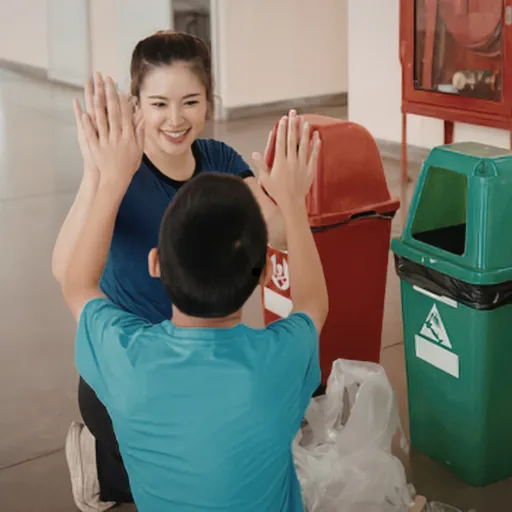
Waste Management & Recycling Technology focuses on handling waste in an efficient and environmentally friendly way. It teaches how to collect, sort, recycle, and safely dispose of waste while reducing environmental harm. The course also introduces modern technologies and sustainable methods that convert waste into reusable resources, helping organisations and communities work toward a cleaner, greener future.
The ICTQual AB Level 6 International Diploma in Waste Management & Recycling Technology is designed for learners who want advanced skills in managing waste and recycling operations. It provides practical knowledge to plan, organise, and implement waste management projects effectively across industrial, commercial, and municipal settings. The programme includes real-life examples, case studies, and hands-on exercises to help students apply their learning in real-world situations.
Students will gain expertise in recycling techniques, waste collection and disposal, pollution control, environmental laws, sustainability planning, and resource management. Completing this diploma prepares graduates for leadership roles in waste management, recycling, and sustainability projects. They will be equipped to improve operational efficiency, ensure regulatory compliance, reduce environmental risks, and support a circular economy, while also opening doors for further studies or professional development in environmental management and engineering.
Course Overview
Awarding Body
ICTQual AB
Credits
360 Credits
Study Mood
Online
Assessment
Assignments Based
Course Study Units
Year 1 – Foundations of Waste Management & Recycling Technology
- Principles of Waste Management
- Introduction to Environmental Science and Sustainability
- Waste Legislation and Regulatory Compliance
- Waste Hierarchy and Circular Economy Concepts
- Hazardous and Non-Hazardous Waste Management
- Solid Waste Collection and Transportation Systems
- Recycling Technologies and Processes
- Water and Air Quality in Waste Management
- Occupational Health, Safety, and Environmental Awareness
- Environmental Communication and Reporting
- Professional Ethics in Waste Management
- Introduction to Project Planning in Waste Management
Year 2 – Applied Waste Management & Recycling Practices
- Advanced Waste Treatment and Processing Techniques
- Industrial Waste Management
- Hazardous Waste Handling and Disposal
- Waste-to-Energy Technologies
- Resource Recovery and Sustainable Practices
- Environmental Monitoring and Audit Techniques
- Waste Management in Manufacturing and Commercial Sectors
- Digital Tools and Technologies in Waste Management
- Environmental Risk Assessment and Management
- Behavioural and Organisational Approaches to Waste Safety
- Research Methods for Waste and Recycling Projects
- Project Implementation and Operational Planning
Year 3 – Strategic Leadership in Waste Management & Recycling
- Strategic Waste Management and Governance
- Integrated Environmental Management Systems (ISO 14001, ISO 50001)
- Policy Development and Implementation in Waste Management
- Sustainability Leadership and Corporate Social Responsibility (CSR)
- Environmental Risk Management in Large-Scale Projects
- Renewable Energy Integration in Waste Management
- International Waste Management Standards and Best Practices
- Innovation and Emerging Technologies in Recycling
- Environmental Crisis Management and Emergency Planning
- Advanced Occupational Health & Environmental Wellbeing Strategies
- Independent Research Project in Waste Management & Recycling
- Capstone Project: Applied Waste Management & Recycling Technology

Entry Requirements
Who Can Enroll
The ICTQual AB Level 6 International Diploma in Waste Management & Recycling Technology is designed for professionals and graduates who want to develop advanced skills in waste management, recycling, and sustainability. This course is ideal for those looking to take leadership roles in environmental projects and contribute to greener, more efficient operations.
- Anyone planning a career in sustainability, environmental projects, or green technologies
- Professionals working in waste management, recycling, or environmental compliance
- Engineers and technical staff seeking to specialise in sustainable waste solutions
- Managers or team leaders responsible for environmental policies and operations
- Graduates aiming to enhance qualifications in environmental engineering or sustainability
- Consultants and advisors focusing on circular economy and resource optimisation
Course Learning Outcomes
Year 1 – Foundations of Waste Management & Recycling Technology
1. Principles of Waste Management
- Explain core principles of waste management and recycling.
- Analyse strategies for effective waste minimisation and environmental protection.
2. Introduction to Environmental Science and Sustainability
- Describe fundamental environmental science and sustainability concepts.
- Evaluate sustainable practices in industrial and municipal contexts.
3. Waste Legislation and Regulatory Compliance
- Interpret key environmental and waste management laws and regulations.
- Assess organisational compliance with legal and industry requirements.
4. Waste Hierarchy and Circular Economy Concepts
- Apply waste hierarchy principles to reduce, reuse, and recycle materials.
- Evaluate circular economy strategies for resource efficiency.
5. Hazardous and Non-Hazardous Waste Management
- Identify types of hazardous and non-hazardous wastes.
- Recommend appropriate handling, storage, and disposal methods.
6. Solid Waste Collection and Transportation Systems
- Design effective collection and transport strategies for various waste streams.
- Ensure compliance with safety, regulatory, and environmental standards.
7. Recycling Technologies and Processes
- Analyse key recycling technologies and processes.
- Evaluate efficiency, cost, and environmental impact of recycling methods.
8. Water and Air Quality in Waste Management
- Monitor and assess water and air quality related to waste operations.
- Propose strategies to mitigate pollution and environmental hazards.
9. Occupational Health, Safety, and Environmental Awareness
- Identify hazards in waste management operations.
- Apply safety measures to protect personnel and the environment.
10. Environmental Communication and Reporting
- Produce accurate reports and documentation for compliance and performance monitoring.
- Communicate environmental information effectively to stakeholders.
11. Professional Ethics in Waste Management
- Apply ethical principles in decision-making and operational activities.
- Demonstrate accountability and professional responsibility in waste management projects.
12. Introduction to Project Planning in Waste Management
- Develop basic project plans for waste management initiatives.
- Identify resources, timelines, and risk considerations for effective project execution.
Year 2 – Applied Waste Management & Recycling Practices
1. Advanced Waste Treatment and Processing Techniques
- Evaluate advanced treatment methods for solid, liquid, and hazardous waste.
- Design processing workflows to optimise environmental and operational outcomes.
2. Industrial Waste Management
- Assess waste streams in industrial contexts.
- Develop strategies for minimising industrial waste impact.
3. Hazardous Waste Handling and Disposal
- Apply safe handling, storage, and disposal methods for hazardous materials.
- Ensure compliance with regulatory and environmental standards.
4. Waste-to-Energy Technologies
- Analyse technologies for converting waste into energy.
- Evaluate the efficiency and sustainability of energy recovery processes.
5. Resource Recovery and Sustainable Practices
- Implement strategies for resource recovery from waste streams.
- Promote sustainable practices in industrial and municipal operations.
6. Environmental Monitoring and Audit Techniques
- Design and conduct environmental monitoring programmes.
- Perform audits to assess compliance and identify areas for improvement.
7. Waste Management in Manufacturing and Commercial Sectors
- Identify environmental challenges in manufacturing and commercial waste streams.
- Apply sector-specific management strategies to reduce ecological impact.
8. Digital Tools and Technologies in Waste Management
- Utilise digital solutions for monitoring, reporting, and managing waste operations.
- Assess the effectiveness of technology in improving efficiency and compliance.
9. Environmental Risk Assessment and Management
- Conduct risk assessments for waste management processes.
- Develop mitigation strategies to minimise environmental and operational hazards.
10. Behavioural and Organisational Approaches to Waste Safety
- Analyse human and organisational factors affecting environmental safety.
- Implement strategies to foster a culture of compliance and sustainability.
11. Research Methods for Waste and Recycling Projects
- Apply research methodologies to environmental and waste management projects.
- Analyse data to support decision-making and project recommendations.
12. Project Implementation and Operational Planning
- Plan and implement waste management projects effectively.
- Allocate resources, manage timelines, and monitor project performance.
Year 3 – Strategic Leadership in Waste Management & Recycling
1. Strategic Waste Management and Governance
- Lead strategic initiatives in waste management at organisational level.
- Develop governance frameworks to ensure regulatory compliance and sustainability.
2. Integrated Environmental Management Systems (ISO 14001, ISO 50001)
- Apply integrated management systems to improve operational efficiency.
- Evaluate organisational adherence to international environmental standards.
3. Policy Development and Implementation in Waste Management
- Formulate and implement organisational waste management policies.
- Assess policy effectiveness and adapt to evolving environmental regulations.
4. Sustainability Leadership and Corporate Social Responsibility (CSR)
- Promote sustainability initiatives through leadership and ethical practice.
- Integrate CSR strategies into organisational waste management planning.
5. Environmental Risk Management in Large-Scale Projects
- Identify and manage risks in complex waste management projects.
- Develop mitigation and monitoring strategies to ensure project success.
6. Renewable Energy Integration in Waste Management
- Plan and implement renewable energy solutions within waste management operations.
- Evaluate environmental and economic impacts of renewable energy initiatives.
7. International Waste Management Standards and Best Practices
- Analyse global waste management standards and frameworks.
- Apply best practices to ensure international compliance and sustainability.
8. Innovation and Emerging Technologies in Recycling
- Assess new technologies for waste reduction and recycling efficiency.
- Implement innovative solutions to complex environmental challenges.
9. Environmental Crisis Management and Emergency Planning
- Develop response strategies for environmental emergencies.
- Coordinate crisis management activities to minimise ecological impact.
10. Advanced Occupational Health & Environmental Wellbeing Strategies
- Design and implement health, safety, and wellbeing programmes for waste operations.
- Integrate wellbeing initiatives into organisational practices.
11. Independent Research Project in Waste Management & Recycling
- Conduct independent research on a relevant waste management topic.
- Analyse findings and provide evidence-based recommendations.
12. Capstone Project: Applied Waste Management & Recycling Technology
- Plan and execute a comprehensive applied waste management project.
- Demonstrate integration of technical knowledge, strategic management, and leadership skills.