ICTQual AB Level 5 International Diploma in Environmental Engineering & Management
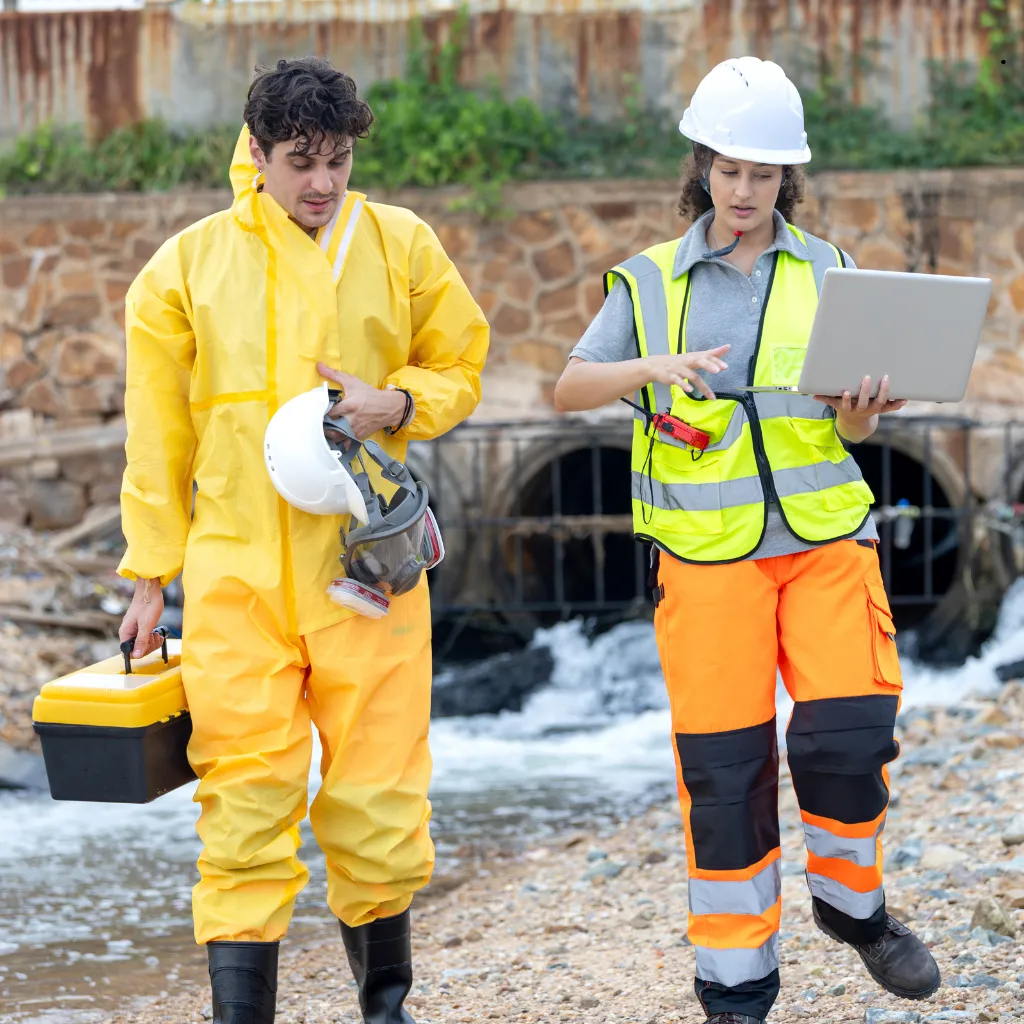
Environmental Engineering & Management is a dynamic field of study that focuses on protecting the environment by applying scientific, engineering, and management principles. It involves the design of sustainable systems for waste management, pollution control, water and air quality improvement, and natural resource conservation. This discipline plays a vital role in addressing global environmental challenges and promoting sustainable development.
The ICTQual AB Level 5 International Diploma in Environmental Engineering & Management is a professional qualification designed to equip learners with advanced knowledge of environmental systems, engineering solutions, and environmental management practices. This course covers key areas such as environmental impact assessment, sustainable development strategies, pollution prevention techniques, and environmental legislation. It is ideal for individuals seeking to build a career in environmental protection, sustainability, and engineering-related fields.
Through this diploma, learners develop both theoretical understanding and practical skills required to manage environmental challenges in industrial, urban, and natural settings. The program prepares students for roles in environmental consultancy, waste management, conservation projects, and regulatory bodies. By completing this qualification, learners gain the expertise needed to contribute to sustainable environmental practices and support organizations in achieving eco-friendly and compliant operations. This course also provides a strong foundation for further academic and professional advancement in environmental engineering and management.
Course Overview
Awarding Body
ICTQual AB
Credits
240 Credits
Study Mood
Online
Assessment
Assignments Based
Course Study Units
Year 1 – Foundation and Core Principles
- Introduction to Environmental Engineering & Management
- Principles of Environmental Science
- Environmental Legislation and Compliance
- Environmental Risk Assessment Fundamentals
- Sustainable Resource Management
- Waste Management and Pollution Control
- Environmental Monitoring Techniques
- Health, Safety, and Environmental Awareness
- Laboratory Techniques in Environmental Analysis
- Environmental Data Collection and Reporting
- Environmental Project Planning and Management
- Introduction to Environmental Standards and Regulations
Year 2 – Advanced Practices and Specialisation
- Advanced Environmental Risk Assessment and Mitigation
- Industrial Environmental Management
- Environmental Impact Assessment (EIA)
- Water, Air, and Soil Quality Management
- Renewable Energy and Sustainable Practices
- Environmental Auditing and Compliance
- Climate Change and Carbon Management
- Environmental Leadership and Team Management
- Environmental Policy Development and Implementation
- Legal Compliance and Ethics in Environmental Engineering
- Capstone Project: Environmental Engineering Strategy Implementation
- Professional Development and Career Planning

Entry Requirements
Who Can Enroll
The ICTQual AB Level 5 International Diploma in Environmental Engineering & Management is designed for individuals who are passionate about environmental protection and want to build a professional career in sustainable development and engineering solutions. This course is ideal for learners who wish to gain practical and theoretical knowledge of environmental systems and management strategies.
- Students who want to start a career in environmental engineering, sustainability, or environmental management
- Graduates in science, engineering, geography, or related fields seeking specialization in environmental studies
- Professionals working in construction, waste management, or industrial sectors aiming to enhance environmental compliance skills
- Individuals interested in climate change, pollution control, and sustainable resource management
- Aspiring environmental consultants, auditors, or sustainability officers
- Workers in government or NGO sectors focused on environmental protection and conservation projects
Course Learning Outcomes
Year 1 – Foundation and Core Principles
Introduction to Environmental Engineering & Management
- Understand the fundamentals of environmental engineering and management.
- Recognise the role of environmental management in organisational and industrial contexts.
- Identify key environmental challenges and sustainable solutions.
- Develop awareness of professional responsibilities in environmental engineering.
Principles of Environmental Science
- Understand ecological, chemical, and physical principles influencing the environment.
- Analyse interactions between natural and human-made systems.
- Apply scientific reasoning to solve environmental challenges.
- Evaluate the effects of environmental changes on ecosystems.
Environmental Legislation and Compliance
- Understand national and international environmental laws and regulations.
- Ensure organisational compliance with environmental standards.
- Identify legal responsibilities and implications of non-compliance.
- Apply legislation to real-world environmental management scenarios.
Environmental Risk Assessment Fundamentals
- Conduct basic environmental risk assessments for various contexts.
- Identify potential hazards and evaluate associated risks.
- Recommend mitigation strategies to reduce environmental impacts.
- Document and communicate risk assessment findings accurately.
Sustainable Resource Management
- Understand principles of sustainable resource use and conservation.
- Develop strategies for efficient water, energy, and material management.
- Evaluate the environmental and economic impacts of resource utilisation.
- Promote sustainable practices within organisational operations.
Waste Management and Pollution Control
- Identify types of waste and sources of pollution in industrial and urban settings.
- Apply strategies for waste reduction, recycling, and safe disposal.
- Understand methods of pollution control and remediation.
- Promote sustainable and responsible waste management practices.
Environmental Monitoring Techniques
- Understand monitoring methods for air, water, and soil quality.
- Conduct environmental measurements using standard techniques and equipment.
- Analyse monitoring data to assess environmental performance.
- Recommend actions based on monitoring results.
Health, Safety, and Environmental Awareness
- Understand the integration of health, safety, and environmental management.
- Identify workplace hazards and environmental risks.
- Promote safety and sustainable practices in environmental operations.
- Evaluate organisational compliance with HSE standards.
Laboratory Techniques in Environmental Analysis
- Conduct laboratory tests and experiments to analyse environmental samples.
- Apply proper laboratory safety and operational procedures.
- Interpret experimental results for decision-making.
- Record and report laboratory findings accurately.
Environmental Data Collection and Reporting
- Collect and organise environmental data systematically.
- Use appropriate tools and techniques for data analysis.
- Prepare clear and professional environmental reports.
- Communicate findings to stakeholders effectively.
Environmental Project Planning and Management
- Understand principles of project management in environmental initiatives.
- Plan and execute small-scale environmental projects.
- Allocate resources and manage project timelines efficiently.
- Evaluate project outcomes and identify areas for improvement.
Introduction to Environmental Standards and Regulations
- Familiarise with key environmental standards and certifications.
- Apply regulatory frameworks to organisational operations.
- Assess compliance with international and local standards.
- Promote continuous improvement in environmental management practices.
Year 2 – Advanced Practices and Specialisation
Advanced Environmental Risk Assessment and Mitigation
- Conduct comprehensive environmental risk assessments for complex projects.
- Develop advanced mitigation strategies to minimise environmental impacts.
- Integrate risk management into organisational planning.
- Evaluate the effectiveness of mitigation measures and revise as needed.
Industrial Environmental Management
- Implement environmental management systems in industrial contexts.
- Identify and manage industrial hazards affecting air, water, and soil.
- Promote compliance with environmental policies and best practices.
- Monitor and evaluate environmental performance in industrial operations.
Environmental Impact Assessment (EIA)
- Conduct EIAs for proposed projects or developments.
- Identify potential environmental impacts and propose mitigation measures.
- Prepare professional EIA reports for stakeholders and regulatory authorities.
- Apply EIA findings to improve project sustainability and compliance.
Water, Air, and Soil Quality Management
- Monitor and assess the quality of water, air, and soil resources.
- Apply management strategies to maintain environmental quality.
- Analyse data to identify pollution sources and trends.
- Recommend solutions to improve environmental conditions.
Renewable Energy and Sustainable Practices
- Understand the principles of renewable energy systems.
- Evaluate sustainable energy solutions for organisations and projects.
- Promote energy efficiency and low-carbon technologies.
- Integrate renewable energy strategies into environmental management plans.
Environmental Auditing and Compliance
- Conduct internal and external environmental audits.
- Identify non-compliance issues and recommend corrective actions.
- Monitor adherence to environmental management systems.
- Support continuous improvement in organisational environmental performance.
Climate Change and Carbon Management
- Understand climate change drivers and impacts.
- Develop strategies to monitor and reduce carbon emissions.
- Implement carbon management plans for organisations.
- Evaluate the effectiveness of mitigation measures for climate impacts.
Environmental Leadership and Team Management
- Develop leadership skills for managing environmental projects and teams.
- Coordinate team activities to achieve sustainability objectives.
- Foster a culture of environmental responsibility and compliance.
- Evaluate leadership effectiveness in driving environmental performance.
Environmental Policy Development and Implementation
- Develop and implement environmental policies aligned with regulations and best practices.
- Communicate policies effectively to stakeholders.
- Monitor compliance and evaluate policy impact.
- Revise and improve policies based on organisational and environmental feedback.
Legal Compliance and Ethics in Environmental Engineering
- Apply legal frameworks to environmental engineering decisions.
- Understand ethical considerations in environmental management.
- Ensure organisational compliance with environmental laws and standards.
- Analyse consequences of non-compliance and ethical breaches.
Capstone Project: Environmental Engineering Strategy Implementation
- Design and implement a comprehensive environmental management strategy.
- Integrate knowledge and skills from all course units into a practical project.
- Analyse outcomes and provide strategic recommendations.
- Present findings in a professional report or presentation.
Professional Development and Career Planning
- Identify career pathways in environmental engineering and management.
- Develop personal skills, CV, and interview readiness.
- Explore professional certification and development opportunities.
- Plan for continuous learning and long-term career progression.