QualCert Level 3 Certificate in Pharmacy in Developing Countries (Cert Pharmacy in Developing Countries)
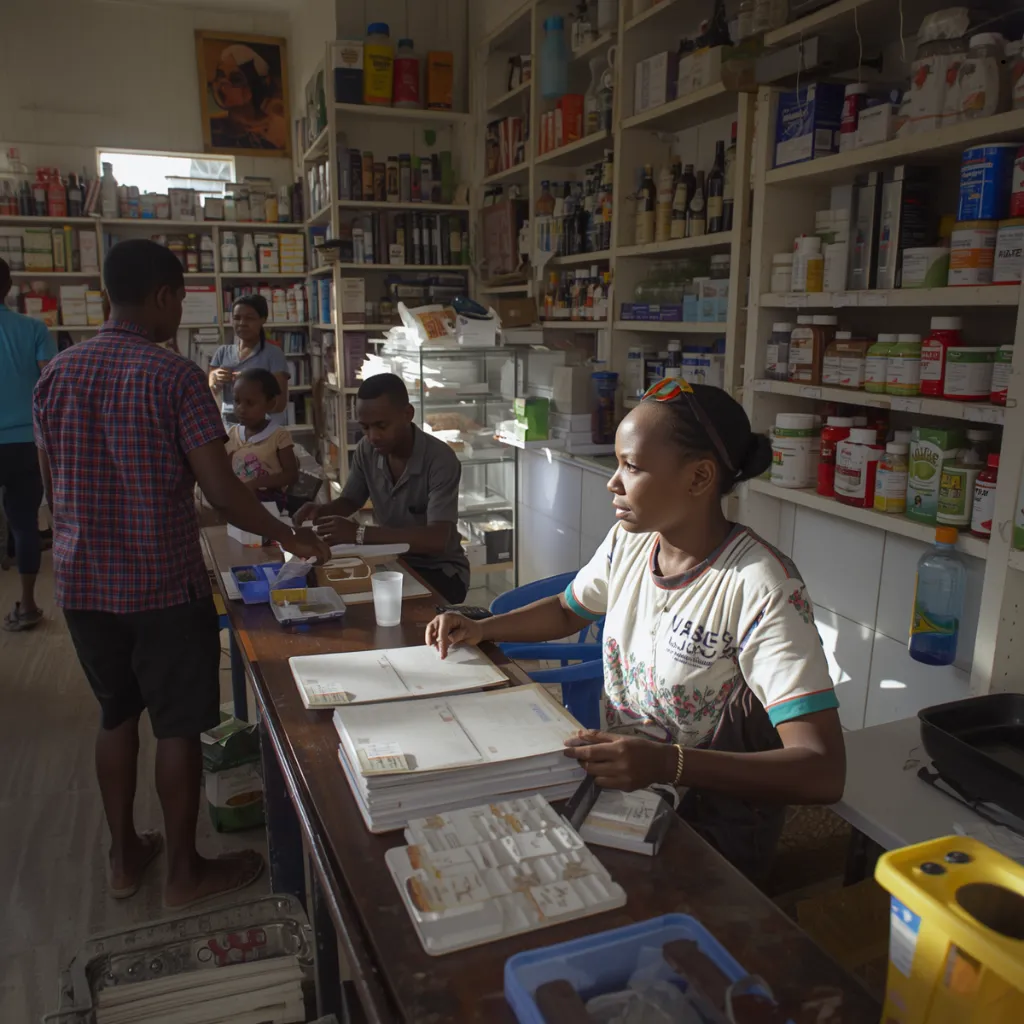
Access to safe and effective medicine is a fundamental human right, yet many regions still face significant hurdles in healthcare delivery. In developing countries, the challenge is not just the supply of drugs, but the lack of trained staff to manage them. Pharmacies in these areas often operate with limited resources and must deal with specific issues like supply chain gaps and tropical diseases. There is a critical need for workers who can maintain high standards under these unique pressures.
The QualCert Level 3 Certificate in Pharmacy in Developing Countries is built to address this specific shortage. While standard courses focus on modern Western infrastructure, this program teaches you how to provide professional care in varied environments. It bridges the skills gap by focusing on essential medicine lists, proper storage in different climates, and community health education.
This course moves beyond basic theory to give you practical tools for real-world impact. You will learn how to manage inventory efficiently and ensure patient safety even when resources are low. By earning this certificate, you become a capable professional ready to improve the health outcomes of your community. You will gain the expertise needed to run a reliable pharmacy service that people can trust.
Course Overview
Awarding Body
QualCert
Credits
20
Study Mode
Online
Assessment
Assignment Based
Course Study Units
- Healthcare Systems and Pharmacy Practice in Developing Countries
- Medicine Supply Chains and Resource Management
- Regulatory Frameworks, Policy, and Ethics
- Public Health and Disease Control
- Professional Practice and Community Engagement

Entry Requirements
Applicants are normally expected to meet the following requirements:
Who Can Enroll
This course is designed for individuals who want to make a real difference in healthcare delivery within emerging markets. It is perfect for those who want to gain professional skills that are specifically useful in regions with limited medical resources.
- A student living in a developing nation who wants to start a career in the local pharmacy sector.
- An applicant currently working in a community clinic who needs formal training to manage medicines better.
- A volunteer or aid worker who wants to understand how to handle and distribute medical supplies safely in the field.
- An international applicant planning to work with global health organizations or NGOs in various regions.
- A person interested in public health who wants to learn how to manage essential drug lists and supply chains.
Course Learning Outcomes
Healthcare Systems and Pharmacy Practice in Developing Countries
- Understand the structure and organisation of healthcare systems in developing countries
- Analyse the challenges affecting pharmacy services in low- and middle-income regions
- Apply knowledge of healthcare delivery models to support effective pharmacy practice
- Evaluate strategies for improving access to medicines and healthcare services
Medicine Supply Chains and Resource Management
- Understand the principles of medicine procurement, storage, and distribution in resource-limited settings
- Apply best practices in supply chain management to ensure availability and safety of medicines
- Identify strategies to manage shortages and optimise resource allocation
- Evaluate methods for improving efficiency and reliability in pharmaceutical supply chains
Regulatory Frameworks, Policy, and Ethics
- Understand legal and regulatory requirements for pharmacy practice in developing countries
- Demonstrate knowledge of professional and ethical responsibilities in medicine supply and dispensing
- Apply policy frameworks to support compliance and patient safety
- Analyse ethical considerations when making decisions in resource-limited contexts
Public Health and Disease Control
- Understand the key public health challenges affecting developing countries
- Apply strategies for disease prevention, health promotion, and outbreak control
- Evaluate interventions to improve population health through pharmacy services
- Demonstrate knowledge of global health priorities and their impact on local pharmacy practice
Professional Practice and Community Engagement
- Develop skills for effective communication and collaboration with communities and healthcare teams
- Apply culturally sensitive approaches in pharmacy service delivery
- Support community health initiatives and educational programmes
- Demonstrate professionalism and ethical practice in resource-limited environments