ICTQual AB Level 5 International Diploma in Climate Change and Sustainability Studies
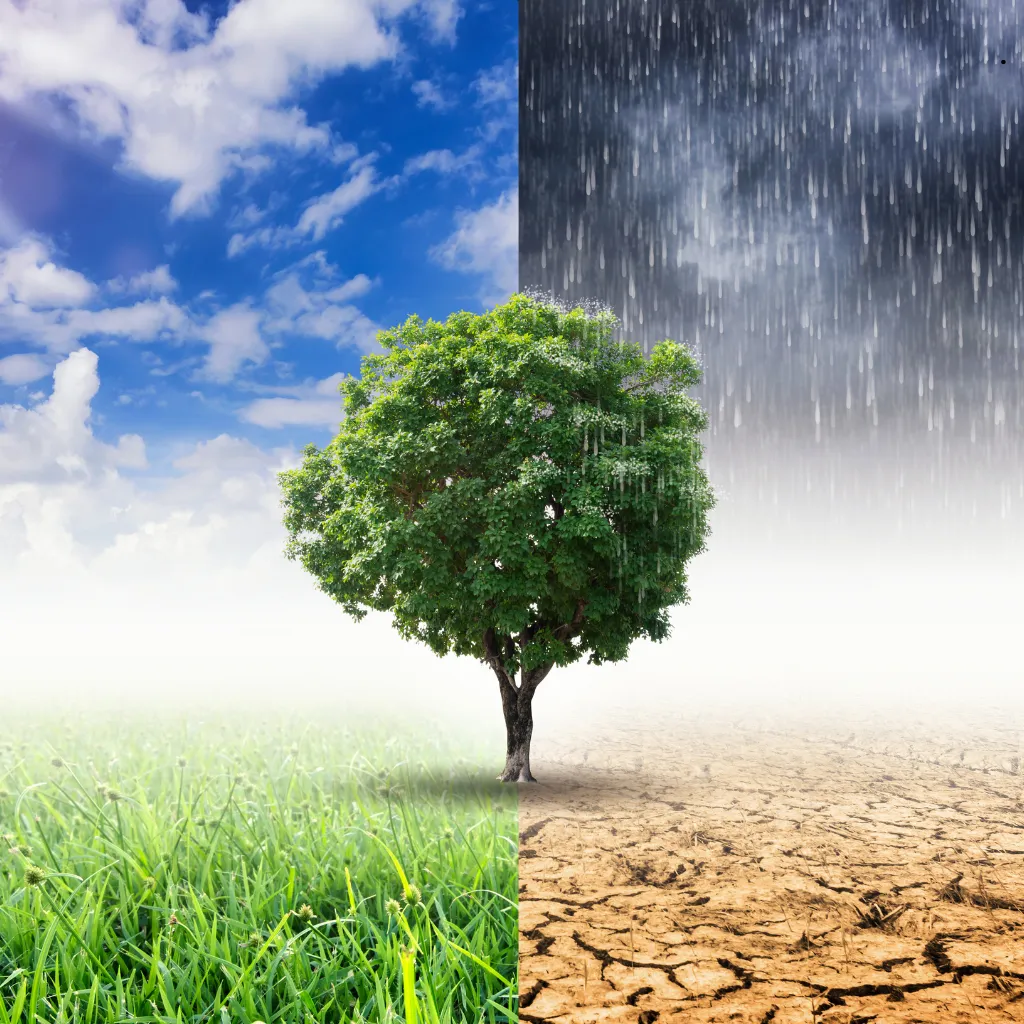
By 2026, climate change has moved from a future risk to an immediate financial and operational reality for every industry. Global markets now demand transparency in carbon reporting, and supply chains are being rebuilt to survive extreme weather patterns. This shift has created a massive need for leaders who can do more than just talk about “going green.” The world needs professionals who can read climate data, calculate carbon footprints, and implement profitable sustainability strategies.
The ICTQual AB Level 5 International Diploma in Climate Change and Sustainability Studies bridges the current skill gap by focusing on technical execution. Many existing programs offer general environmental awareness but fail to provide the high-level management tools required in a corporate or governmental setting. This course addresses the shortage of experts who understand the link between climate science and business resilience.
We teach you how to turn complex climate policies into practical action plans. You will learn to manage resource risks and lead teams through the transition to low-carbon operations. By finishing this program, you move beyond basic knowledge and gain the authority to guide organizations through the most significant economic shift of our time. You will enter the workforce as a specialist ready to solve real-world problems and lead long-term sustainability initiatives.
Course Overview
Awarding Body
ICTQual AB
Credits
240
Study Mode
Online
Assessment
Assignment Based
Course Study Units
Year 1 – Foundation and Core Principles
- Introduction to Climate Change and Sustainability
- Principles of Environmental Science and Ecology
- Climate Policy and Global Agreements
- Environmental Risk Assessment Fundamentals
- Sustainable Resource Management
- Renewable Energy and Low-Carbon Technologies
- Greenhouse Gas Emissions and Carbon Footprinting
- Health, Safety, and Environmental Awareness
- Laboratory Techniques in Environmental Analysis
- Environmental Data Collection and Reporting
- Sustainability Project Planning
- Introduction to Environmental Standards and Regulations
Year 2 – Advanced Practices and Specialisation
- Advanced Climate Change Mitigation Strategies
- Carbon Management and Reporting
- Climate Adaptation and Resilience Planning
- Environmental Impact Assessment (EIA)
- Sustainable Practices and Circular Economy
- Environmental Auditing and Compliance
- Climate Policy Analysis and Implementation
- Leadership in Climate Change and Sustainability Initiatives
- Sustainability Strategy Development
- Legal Compliance and Ethics in Environmental Management
- Capstone Project: Climate Change and Sustainability Implementation
- Professional Development and Career Planning

Entry Requirements
Applicants are normally expected to meet the following requirements:
Who Can Enroll
This program is built for individuals who want to lead the fight against climate change and build sustainable business models. It is perfect for any applicant ready to move from general interest into professional roles that manage carbon footprints and environmental risks.
- A sustainability officer who wants to gain technical skills in carbon reporting and climate risk management.
- A government employee or policy worker responsible for implementing green initiatives and environmental laws.
- An applicant with a Level 4 diploma looking to specialize in renewable energy and resource efficiency.
- A business manager who needs to understand how climate change affects supply chains and company profits.
- A graduate from a science or geography background who wants a professional qualification to start a career in sustainability.
- A technical consultant who needs to learn how to guide organizations through the global transition to net-zero emissions.
Course Learning Outcomes
Learning Outcomes for the ICTQual AB Level 5 International Diploma in Climate Change and Sustainability Studiess:
Year 1 – Foundation and Core Principles
Introduction to Climate Change and Sustainability
- Understand the science and global significance of climate change.
- Explore key sustainability concepts and environmental challenges.
- Recognise the social, economic, and ecological impacts of climate change.
- Develop awareness of the roles of organisations and individuals in promoting sustainability.
Principles of Environmental Science and Ecology
- Understand ecological systems and environmental processes.
- Analyse the impact of human activity on natural systems.
- Apply scientific principles to environmental problem-solving.
- Evaluate sustainability practices through an ecological lens.
Climate Policy and Global Agreements
- Understand international climate agreements and frameworks (e.g., Paris Agreement).
- Examine government and organisational responsibilities for climate action.
- Assess policy effectiveness in mitigating climate change.
- Explore the role of global institutions in promoting environmental sustainability.
Environmental Risk Assessment Fundamentals
- Conduct basic environmental risk assessments for projects and operations.
- Identify hazards and evaluate potential environmental impacts.
- Recommend mitigation strategies to minimise risk.
- Document and communicate risk assessment findings clearly.
Sustainable Resource Management
- Understand principles of sustainable resource use and conservation.
- Develop strategies for efficient management of natural and human resources.
- Evaluate environmental, economic, and social impacts of resource management practices.
- Promote sustainability initiatives within organisations.
Renewable Energy and Low-Carbon Technologies
- Explore renewable energy sources and low-carbon technologies.
- Assess the environmental and economic benefits of renewable energy.
- Implement practical strategies for energy efficiency and carbon reduction.
- Understand the role of renewable energy in climate change mitigation.
Greenhouse Gas Emissions and Carbon Footprinting
- Measure and analyse greenhouse gas emissions in various sectors.
- Understand carbon accounting and footprinting methodologies.
- Develop strategies for emission reduction and sustainability reporting.
- Evaluate organisational performance in achieving carbon reduction goals.
Health, Safety, and Environmental Awareness
- Understand the integration of health, safety, and environmental management.
- Identify hazards and implement safe, sustainable operational practices.
- Promote organisational compliance with HSE standards.
- Evaluate risk management strategies for environmental protection.
Laboratory Techniques in Environmental Analysis
- Conduct laboratory tests and environmental sampling.
- Apply proper safety and operational protocols in laboratory settings.
- Analyse data to inform sustainability and climate-related decisions.
- Record and report laboratory results accurately.
Environmental Data Collection and Reporting
- Collect, organise, and interpret environmental and climate data.
- Use analytical tools for data evaluation and trend identification.
- Prepare professional reports for stakeholders.
- Communicate findings effectively to support sustainability initiatives.
Sustainability Project Planning
- Apply project management principles to sustainability projects.
- Plan, execute, and monitor environmental initiatives.
- Allocate resources and manage project timelines efficiently.
- Evaluate project outcomes and recommend improvements.
Introduction to Environmental Standards and Regulations
- Familiarise with key international and national environmental standards.
- Apply regulatory frameworks to organisational operations.
- Monitor compliance and identify areas for improvement.
- Promote continuous improvement in sustainability practices.
Year 2 – Advanced Practices and Specialisation
Advanced Climate Change Mitigation Strategies
- Develop comprehensive strategies to reduce climate impacts.
- Apply mitigation techniques in organisational and community contexts.
- Evaluate the effectiveness of climate change interventions.
- Integrate sustainability principles into mitigation planning.
Carbon Management and Reporting
- Implement carbon accounting and reporting frameworks.
- Analyse emissions data and identify reduction opportunities.
- Develop organisational carbon management strategies.
- Ensure compliance with international carbon standards.
Climate Adaptation and Resilience Planning
- Assess vulnerabilities to climate change impacts.
- Develop adaptation strategies to increase resilience.
- Plan sustainable interventions for communities and organisations.
- Evaluate the effectiveness of adaptation measures.
Environmental Impact Assessment (EIA)
- Conduct comprehensive environmental impact assessments for projects.
- Identify potential ecological and social effects of development activities.
- Recommend mitigation and management measures.
- Communicate findings through professional reports and presentations.
Sustainable Practices and Circular Economy
- Understand principles of circular economy and sustainable production.
- Develop strategies for resource efficiency and waste reduction.
- Implement sustainable business practices in operational settings.
- Evaluate outcomes and promote continuous improvement.
Environmental Auditing and Compliance
- Conduct internal and external environmental audits.
- Identify non-compliance issues and recommend corrective actions.
- Monitor adherence to sustainability regulations and standards.
- Support organisational continuous improvement in climate initiatives.
Climate Policy Analysis and Implementation
- Analyse the effectiveness of climate policies and legislation.
- Implement policies in organisational and community contexts.
- Evaluate policy outcomes and identify areas for improvement.
- Provide guidance for strategic decision-making in sustainability.
Leadership in Climate Change and Sustainability Initiatives
- Develop leadership skills for managing climate and sustainability projects.
- Coordinate teams to implement environmental strategies effectively.
- Promote a culture of sustainability within organisations.
- Evaluate leadership effectiveness in driving climate action.
Sustainability Strategy Development
- Design and implement comprehensive sustainability strategies.
- Integrate climate science, policy, and management principles.
- Evaluate organisational sustainability performance.
- Recommend improvements to achieve long-term climate goals.
Legal Compliance and Ethics in Environmental Management
- Apply legal frameworks to climate change and sustainability decision-making.
- Understand ethical considerations in environmental management.
- Ensure organisational compliance with environmental laws and regulations.
- Analyse consequences of non-compliance and ethical breaches.
Capstone Project: Climate Change and Sustainability Implementation
- Design and implement a practical sustainability project.
- Integrate knowledge and skills from all course units.
- Analyse project outcomes and provide strategic recommendations.
- Present findings in a professional report or presentation.
Professional Development and Career Planning
- Identify career pathways in climate change and sustainability fields.
- Develop professional skills, CV, and interview readiness.
- Explore opportunities for certifications and professional development.
- Plan for continuous learning and long-term career progression.