ICTQual AB Level 4 International Diploma in Fire Safety and Firefighting Technology
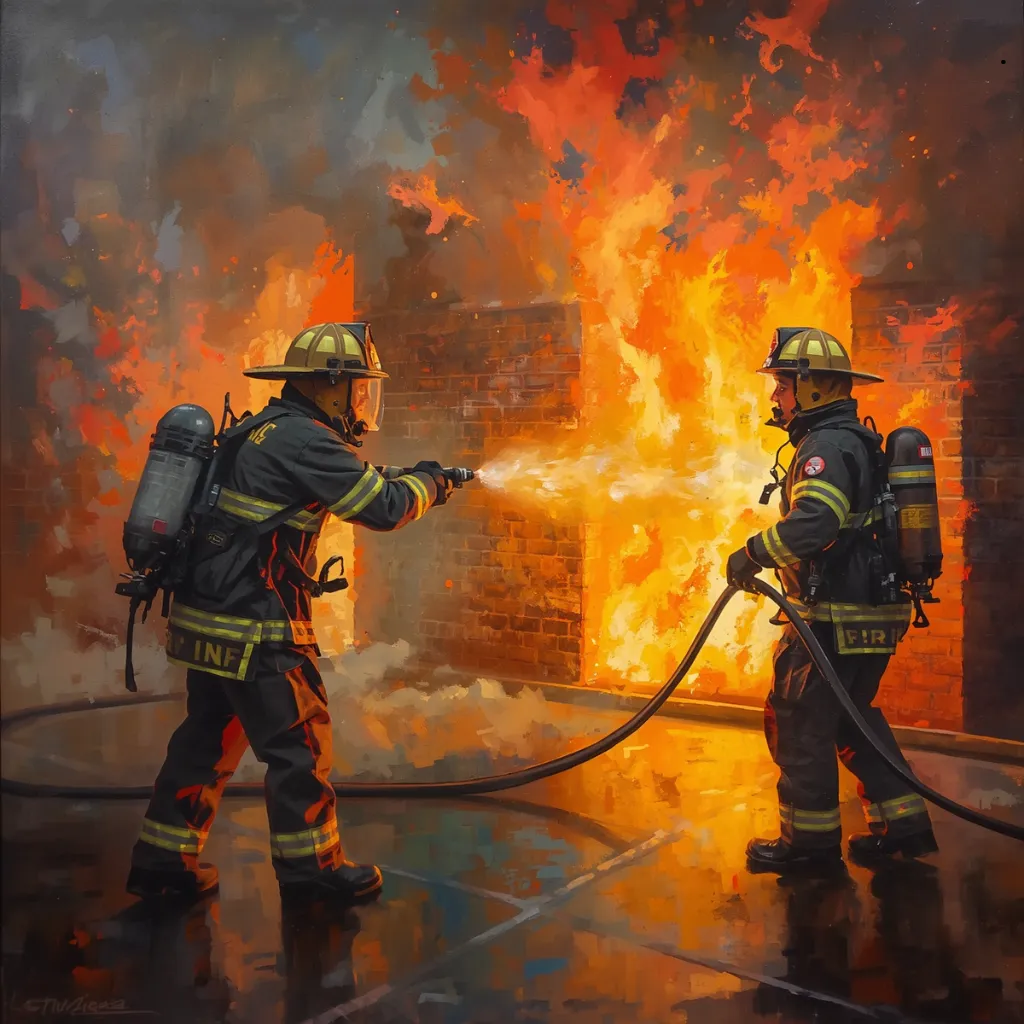
In 2026, fire safety has become much more than just having a few extinguishers in a hallway. As cities grow taller and we use more lithium-ion batteries and complex building materials, the risk of fast-spreading fires has increased. Traditional firefighting methods are often not enough to handle these modern hazards. This has created a massive demand for professionals who understand the science behind how new materials burn and how to stop them.
The ICTQual AB Level 4 International Diploma bridges this skill gap by teaching the latest firefighting technology and prevention strategies. Most basic training programs focus only on reacting to a fire, but this course teaches you how to design safety systems that prevent fires from starting. It moves an applicant past simple drills and into the world of fire engineering, risk modeling, and advanced suppression systems. You learn to use modern tools and data to protect large buildings and industrial sites.
By choosing this diploma, you are gaining the specific technical skills that the industry is currently lacking. It turns an applicant into a specialist who can manage fire safety for high-risk projects like renewable energy plants or smart skyscrapers. This course ensures you have the practical knowledge to meet international safety codes while using the best technology available. It is a direct way to move from a general role into a high-level career in fire protection and emergency management.
Course Overview
Awarding Body
ICTQual AB
Credits
120
Study Mode
Online
Assessment
Assignment Based
Course Study Units
Year 1 – Foundation and Core Knowledge
- Introduction to Fire Safety and Firefighting Principles
- Fire Science and Combustion Dynamics
- Fire Prevention and Protection Systems
- Fire Risk Assessment and Hazard Management
- Emergency Response Procedures
- Firefighting Equipment and Technology
- Building and Industrial Fire Safety
- Health, Safety, and Environmental Regulations
- Fire Investigation and Incident Reporting
- Human Behaviour in Fire Situations
- Professional and Academic Skills in Fire Safety
- Fire Safety Training, Drills, and Simulations

Entry Requirements
Applicants are normally expected to meet the following requirements:
Who Can Enroll
This diploma is designed for individuals who want to be experts in fire prevention and emergency response. It is a perfect fit for those looking to handle high-pressure safety roles.
- An applicant who wants to start a career in professional firefighting or fire safety engineering.
- An applicant working as a safety officer who needs specialized knowledge in fire risk management.
- An applicant responsible for fire safety in large hotels, hospitals, or high-rise office buildings.
- An applicant seeking an international qualification to work in the fire service abroad.
- An applicant who manages building maintenance and needs to understand fire suppression technology.
Course Learning Outcomes
Learning Outcomes for the ICTQual AB Level 4 International Diploma in Fire Safety and Firefighting Technology:
Year 1 – Foundation and Core Knowledge
Introduction to Fire Safety and Firefighting Principles
- Understand fundamental principles of fire behaviour and combustion.
- Recognise different types of fires and their classifications.
- Explain the roles and responsibilities of firefighting personnel.
- Apply basic firefighting techniques in controlled scenarios.
Fire Science and Combustion Dynamics
- Understand the chemical and physical processes of combustion.
- Analyse factors influencing fire growth and spread.
- Identify fire hazards based on scientific principles.
- Apply theoretical knowledge to practical fire scenarios.
Fire Prevention and Protection Systems
- Understand design and operation of fire protection systems.
- Evaluate effectiveness of fire detection and suppression methods.
- Apply fire prevention strategies in residential, commercial, and industrial settings.
- Monitor and maintain fire protection equipment for safety compliance.
Fire Risk Assessment and Hazard Management
- Conduct comprehensive fire risk assessments in various environments.
- Identify potential fire hazards and evaluate their impact.
- Develop mitigation strategies to reduce fire risks.
- Document and communicate hazard management plans effectively.
Emergency Response Procedures
- Understand emergency planning and response protocols.
- Apply evacuation strategies for different fire scenarios.
- Coordinate with emergency services during incidents.
- Assess effectiveness of emergency responses and implement improvements.
Firefighting Equipment and Technology
- Identify and operate essential firefighting equipment safely.
- Understand technological innovations in fire detection and suppression.
- Perform routine checks and maintenance on firefighting tools.
- Apply equipment knowledge in simulated fire situations.
Building and Industrial Fire Safety
- Evaluate fire safety measures in buildings and industrial sites.
- Understand structural fire protection requirements.
- Implement fire safety plans in complex environments.
- Monitor compliance with safety standards and regulations.
Health, Safety, and Environmental Regulations
- Understand legal frameworks governing fire safety.
- Apply health and safety standards in firefighting operations.
- Promote environmental sustainability in fire prevention.
- Ensure compliance with local and international regulations.
Fire Investigation and Incident Reporting
- Investigate causes and origin of fires systematically.
- Collect and analyse evidence from fire scenes.
- Prepare accurate incident reports for stakeholders.
- Recommend preventive measures based on investigation findings.
Human Behaviour in Fire Situations
- Understand psychological and behavioural responses during fires.
- Apply crowd management and safety communication techniques.
- Develop strategies to reduce panic and improve safety outcomes.
- Train others in safe evacuation procedures.
Professional and Academic Skills in Fire Safety
- Develop professional conduct and teamwork skills.
- Enhance written and verbal communication for safety documentation.
- Apply analytical thinking to assess fire risks and scenarios.
- Engage in continuous learning and skill improvement.
Fire Safety Training, Drills, and Simulations
- Plan and conduct fire safety drills and simulations.
- Evaluate effectiveness of training exercises and identify improvements.
- Train personnel on emergency response and equipment use.
- Integrate practical skills with theoretical knowledge for real-world application.