ICTQual AB Level 4 International Diploma in Environmental Engineering and Management
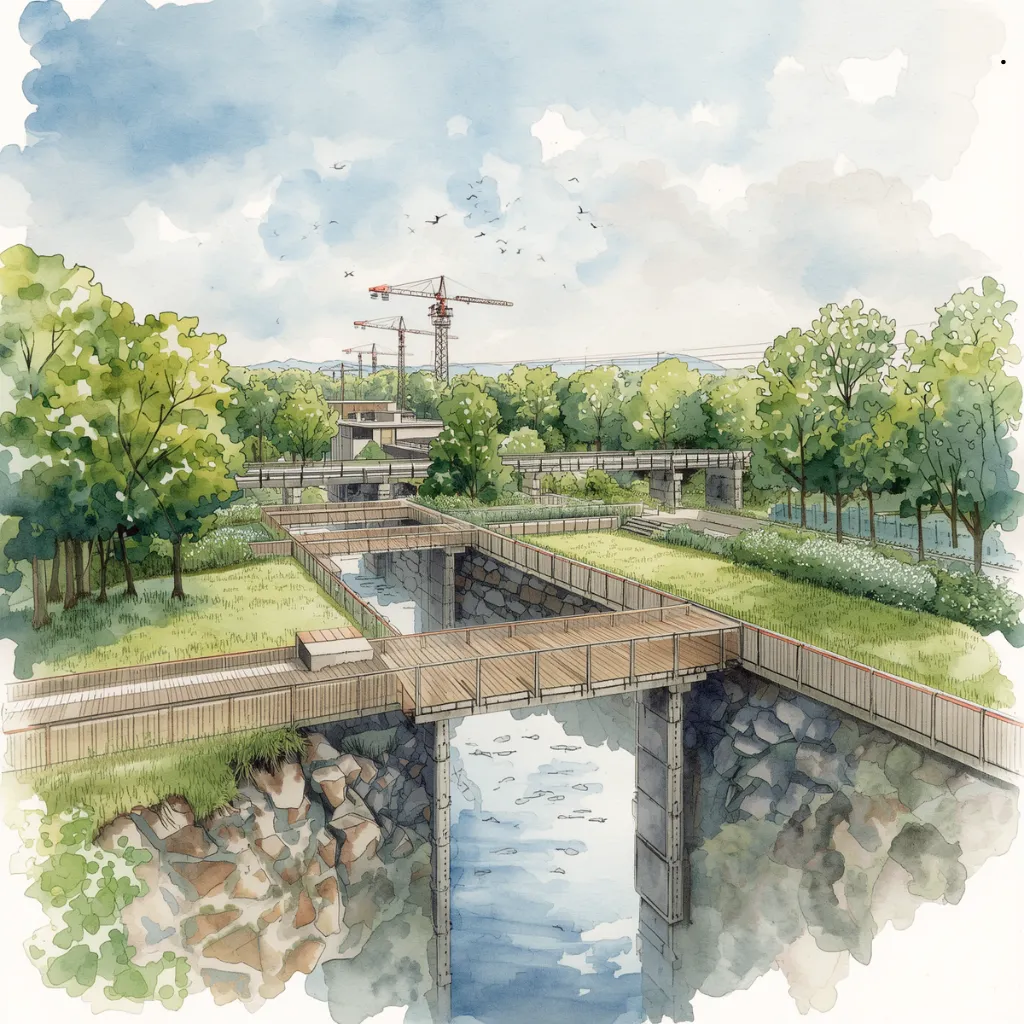
In a world where natural resources are shrinking and climate regulations are tightening, the role of environmental management has become a core business necessity. Companies across every sector are no longer just looking to reduce their impact; they are being forced to by law and public demand. However, there is a significant shortage of professionals who actually know how to apply engineering solutions to these problems. Most businesses have the desire to be “green,” but they lack the technical staff to turn those goals into reality.
This Level 4 Diploma bridges the skill gap by providing the technical and managerial training that the industry is currently missing. Instead of focusing only on high-level theories, the course teaches an applicant how to handle the daily realities of industrial waste, water systems, and carbon footprints. It moves beyond simple awareness and focuses on the engineering tools required to fix pollution issues at the source. This ensures that a learner can step onto a job site and immediately start improving how a company handles its environmental duties.
By choosing this qualification, you are positioning yourself at the center of the new green economy. It turns an applicant into a vital problem-solver who can navigate complex environmental laws while managing technical projects. This course provides the practical foundation needed to lead sustainability efforts in manufacturing, construction, and energy. It is a direct and professional way to transition into a career where you protect the planet while supporting industrial growth.
Course Overview
Awarding Body
ICTQual AB
Credits
120
Study Mode
Online
Assessment
Assignment Based
Course Study Units
Year 1 – Foundation and Core Knowledge
- Introduction to Environmental Engineering and Management
- Environmental Science and Ecology Fundamentals
- Principles of Sustainability and Resource Management
- Environmental Legislation and Regulatory Compliance
- Waste Management and Recycling Technologies
- Water and Wastewater Treatment Systems
- Air Quality and Pollution Control
- Environmental Impact Assessment (EIA)
- Renewable Energy Systems and Applications
- Occupational Health, Safety, and Environmental Practices
- Environmental Monitoring and Data Analysis
- Professional and Academic Skills for Environmental Engineers

Entry Requirements
Applicants are normally expected to meet the following requirements:
Who Can Enroll
This program is designed for those who want to be the practical link between industrial operations and environmental protection. It is ideal for anyone ready to manage the technical side of sustainability.
- An applicant who wants to secure a professional role as an environmental coordinator or technician.
- An applicant already working in the industry who needs to take charge of waste and emission control.
- An applicant aiming to work for government agencies or private firms focused on environmental protection.
- An applicant looking for a recognized certificate that allows them to apply for green jobs internationally.
- An applicant moving from a general technical field into the specialized world of environmental engineering.
Course Learning Outcomes
Learning Outcomes for the ICTQual AB Level 4 International Diploma in Environmental Engineering and Management:
Year 1 – Foundation and Core Knowledge
Introduction to Environmental Engineering and Management
- Understand the key concepts and scope of environmental engineering and management.
- Analyse environmental challenges affecting industries and communities.
- Apply basic engineering principles to solve environmental problems.
- Develop awareness of professional responsibilities in environmental management.
Environmental Science and Ecology Fundamentals
- Comprehend the fundamentals of ecosystems, biodiversity, and ecological processes.
- Analyse interactions between human activities and natural systems.
- Apply ecological principles to environmental problem-solving.
- Evaluate environmental factors affecting sustainability and development.
Principles of Sustainability and Resource Management
- Understand sustainable development goals and their practical implications.
- Analyse methods for efficient use of natural resources.
- Apply strategies to reduce environmental impact in industrial processes.
- Develop innovative solutions for sustainable resource management.
Environmental Legislation and Regulatory Compliance
- Understand local, national, and international environmental laws.
- Analyse regulatory frameworks applicable to industrial operations.
- Apply compliance strategies in environmental projects.
- Evaluate legal risks and implement mitigation measures in practice.
Waste Management and Recycling Technologies
- Comprehend principles of solid, liquid, and hazardous waste management.
- Analyse modern recycling and waste treatment techniques.
- Apply sustainable practices for waste reduction and resource recovery.
- Evaluate the environmental and economic impact of waste management systems.
Water and Wastewater Treatment Systems
- Understand fundamental water treatment principles and processes.
- Analyse wastewater characteristics and treatment requirements.
- Apply engineering solutions for water quality improvement.
- Evaluate efficiency and sustainability of water and wastewater systems.
Air Quality and Pollution Control
- Understand air pollution sources and environmental impacts.
- Analyse strategies for controlling air pollutants in industrial settings.
- Apply monitoring techniques to measure and improve air quality.
- Evaluate technologies for emission reduction and compliance with standards.
Environmental Impact Assessment (EIA)
- Comprehend the purpose and process of environmental impact assessments.
- Analyse potential environmental effects of projects or industrial activities.
- Apply assessment methods to develop mitigation strategies.
- Evaluate EIA reports to support sustainable decision-making.
Renewable Energy Systems and Applications
- Understand the principles of solar, wind, hydro, and biomass energy.
- Analyse applications of renewable energy in industrial and community settings.
- Apply design considerations for sustainable energy systems.
- Evaluate the environmental and economic benefits of renewable technologies.
Occupational Health, Safety, and Environmental Practices
- Understand workplace safety principles and environmental risk factors.
- Analyse hazards related to industrial and environmental operations.
- Apply safety protocols and emergency response procedures.
- Evaluate and improve OHS practices for environmental projects.
Environmental Monitoring and Data Analysis
- Comprehend techniques for monitoring air, water, and soil quality.
- Analyse environmental data using standard tools and software.
- Apply measurement and reporting practices for compliance and decision-making.
- Evaluate trends and propose solutions based on environmental data.
Professional and Academic Skills for Environmental Engineers
- Develop communication and report-writing skills relevant to environmental engineering.
- Understand project planning, teamwork, and leadership in environmental contexts.
- Apply critical thinking and problem-solving in technical scenarios.
- Evaluate personal and professional development opportunities in the environmental sector.