ICTQual AB Level 4 International Diploma in Waste Management and Recycling Technology
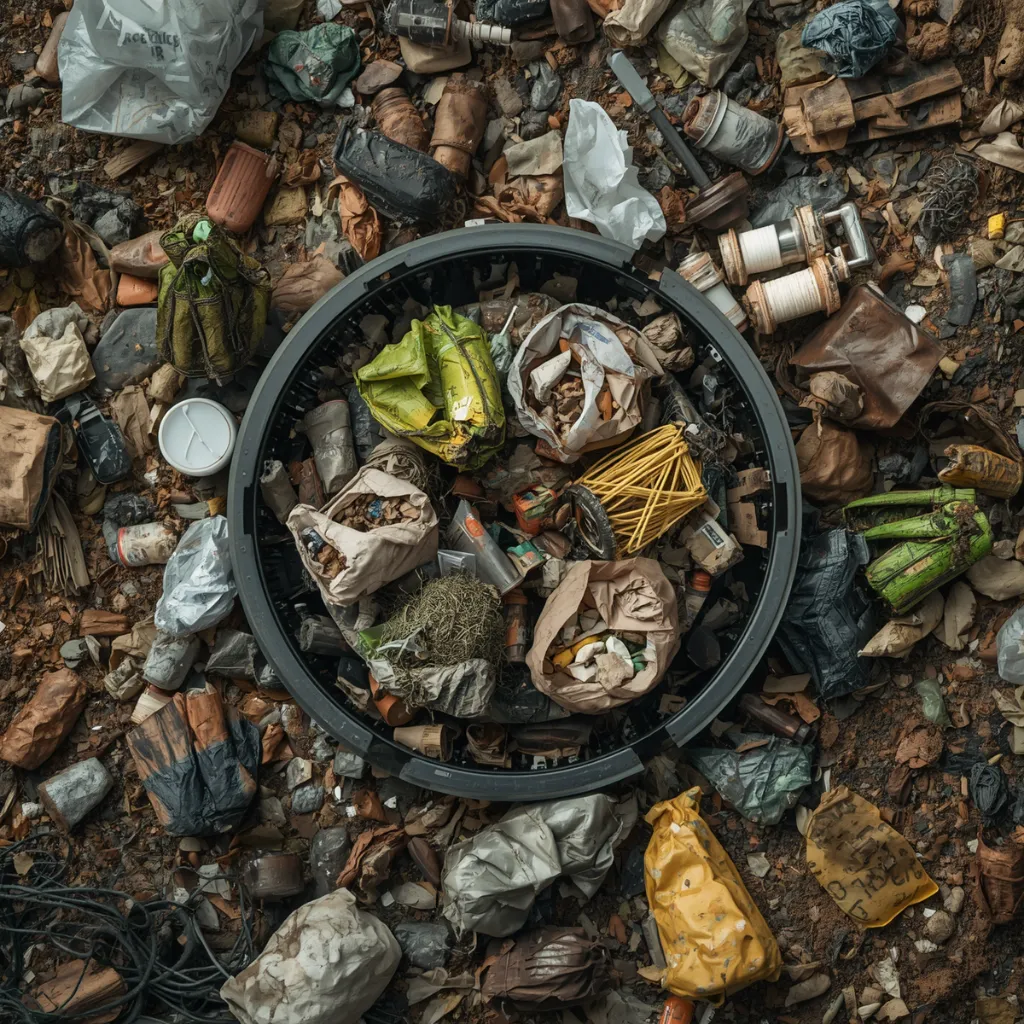
In 2026, the way we handle trash has become a major global challenge. Cities are running out of space for landfills, and new laws now strictly limit how much waste a company can produce. This shift has turned waste management from a basic cleaning service into a high-tech industry. Modern businesses are searching for ways to recover energy and materials from what they used to throw away. However, there is a serious lack of people who understand the complex technology needed to run these advanced recycling systems.
This diploma bridges that skill gap by training you in the latest recovery and disposal methods. Instead of just learning how to move waste, an applicant learns the science of how to process it. The course focuses on turning “garbage” into a resource, using modern tools for sorting, treating, and recycling various materials. It moves beyond simple collection and teaches you how to manage a full-scale recycling plant or a corporate waste program. This ensures that you can help any organization follow international environmental laws while reducing their costs.
By choosing this path, you are entering a field that is essential for the future of our planet. The program gives an applicant the practical skills to handle hazardous materials, lead recycling teams, and use data to track waste reduction. It turns you into a specialist who can help industries move toward a “circular economy” where nothing goes to waste. This course is a direct route for anyone who wants a stable, professional career in a sector that is growing faster than ever before.
Course Overview
Awarding Body
ICTQual AB
Credits
120
Study Mode
Online
Assessment
Assignment Based
Course Study Units
Year 1 – Foundation and Core Knowledge
- Introduction to Waste Management and Recycling Technology
- Environmental Science and Sustainability Fundamentals
- Principles of Solid Waste Collection and Segregation
- Hazardous and Industrial Waste Management
- Recycling Processes and Materials Recovery
- Waste Treatment and Disposal Techniques
- Water and Wastewater Management
- Air Quality and Pollution Control in Waste Management
- Environmental Legislation and Regulatory Compliance
- Occupational Health, Safety, and Environmental Practices
- Waste Auditing and Data Analysis
- Professional and Academic Skills in Waste Management

Entry Requirements
Applicants are normally expected to meet the following requirements:
Who Can Enroll
This course is for people who want to be at the forefront of the green revolution, focusing on the practical side of resource recovery and urban cleaning.
- An applicant who wants to start a career as a waste site manager or recycling coordinator.
- An applicant currently working in municipal services who wants to learn about new recycling technologies.
- An applicant from the manufacturing sector who needs to manage industrial scrap and hazardous waste.
- An applicant seeking an international qualification to work in global environmental and sanitation firms.
- An applicant who wants to transition from general labor into a technical role in the green energy or recycling industry.
Course Learning Outcomes
Learning Outcomes for the ICTQual AB Level 4 International Diploma in Waste Management and Recycling Technology:
Year 1 – Foundation and Core Knowledge
Introduction to Waste Management and Recycling Technology
- Understand the fundamental principles and objectives of waste management and recycling.
- Identify various types of waste and their environmental impacts.
- Analyse the role of recycling in sustainable resource management.
- Develop awareness of global trends and innovations in waste management technologies.
Environmental Science and Sustainability Fundamentals
- Understand ecological principles and the interaction between human activities and the environment.
- Analyse sustainability challenges in industrial and urban contexts.
- Apply environmental science concepts to develop sustainable waste solutions.
- Evaluate strategies for reducing ecological footprints and promoting resource efficiency.
Principles of Solid Waste Collection and Segregation
- Understand techniques and systems for solid waste collection in residential and industrial settings.
- Identify methods for effective segregation of waste to support recycling initiatives.
- Analyse operational challenges in waste collection and segregation.
- Develop practical solutions for improving waste handling efficiency.
Hazardous and Industrial Waste Management
- Understand the types and sources of hazardous and industrial waste.
- Analyse safe handling, storage, and disposal methods for hazardous materials.
- Apply regulatory requirements and best practices to industrial waste management.
- Evaluate risk mitigation strategies to protect human health and the environment.
Recycling Processes and Materials Recovery
- Understand the technical processes involved in recycling common materials such as plastics, metals, and paper.
- Analyse methods for efficient materials recovery and resource reuse.
- Apply recycling techniques to reduce waste sent to landfills.
- Evaluate innovative approaches and technologies for improving recycling efficiency.
Waste Treatment and Disposal Techniques
- Understand different waste treatment technologies, including biological, chemical, and physical methods.
- Analyse the advantages and limitations of landfilling, incineration, and composting.
- Apply waste treatment methods to ensure compliance with environmental standards.
- Evaluate environmental impacts of various disposal techniques.
Water and Wastewater Management
- Understand the principles of water conservation and wastewater treatment.
- Analyse industrial and municipal wastewater management processes.
- Apply treatment strategies to improve water quality and reduce pollution.
- Evaluate sustainable practices for water reuse and resource efficiency.
Air Quality and Pollution Control in Waste Management
- Understand the sources and types of air pollutants from waste management activities.
- Analyse air quality monitoring techniques and pollution control measures.
- Apply strategies to minimise emissions from waste treatment and recycling processes.
- Evaluate the effectiveness of air pollution regulations and mitigation technologies.
Environmental Legislation and Regulatory Compliance
- Understand international, national, and local environmental laws and regulations.
- Analyse compliance requirements for waste management operations.
- Apply legal frameworks to ensure safe and sustainable waste handling.
- Evaluate the consequences of non-compliance and develop corrective strategies.
Occupational Health, Safety, and Environmental Practices
- Understand key principles of occupational safety in waste management.
- Analyse workplace hazards and implement safety protocols.
- Apply environmental practices to minimise health risks for workers.
- Evaluate the effectiveness of health, safety, and environmental management systems.
Waste Auditing and Data Analysis
- Understand the concept and purpose of waste audits in industrial and municipal settings.
- Analyse waste streams and quantify materials for recycling or disposal.
- Apply data collection and analysis techniques to support decision-making.
- Evaluate audit results to implement improvements in waste management operations.
Professional and Academic Skills in Waste Management
- Develop effective communication and teamwork skills for professional settings.
- Analyse case studies and practical scenarios to apply theoretical knowledge.
- Apply research and analytical skills to solve real-world waste management problems.
- Demonstrate ethical, responsible, and professional conduct in environmental projects.