
OSHAA 30-Hours Professional Diploma in Fire Protection and Prevention Training
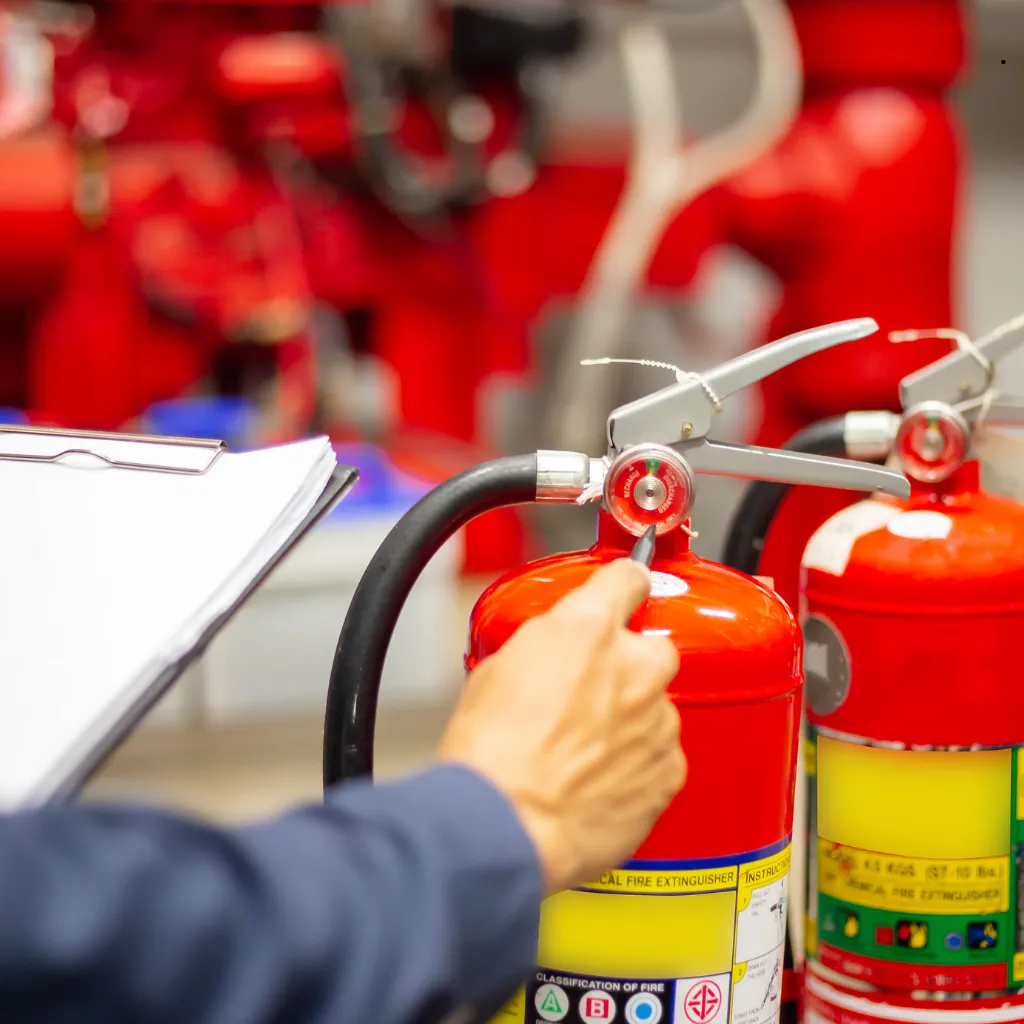
Fire safety is a vital part of protecting commercial properties and human lives. Industrial fires cause devastating physical injuries, permanent property loss, and sudden business closures every year. Organizations must enforce strict fire prevention systems to maintain a secure work environment and meet government safety laws. Leaving fire defense to chance risks massive corporate liability and places entire work teams in extreme physical danger.
Modern facilities face increased fire threats due to complex electrical wiring, chemical storage, and automated heating equipment. Many building supervisors lack the technical skills to spot hidden fire hazards or maintain advanced suppression systems properly. Standard vocational training often covers only basic fire extinguisher use. It fails to teach the deep operational planning needed to handle major industrial fire emergencies effectively.
The OSHAA 30-Hours Professional Diploma in Fire Protection and Prevention Training directly fixes this dangerous training gap. This short, practical course gives learners clear tools to identify fire risks and design emergency action plans immediately. Participants learn how to check alarm networks, manage flammable materials safely, and guide fast building evacuations. The training turns difficult fire engineering rules into simple, daily safety routines.
Graduates leave the program ready to lead fire defense plans with complete confidence. They gain the exact field skills required to pass strict government health inspections and lower corporate accident rates significantly. This professional diploma proves a specialist knows how to stop fires before they start. It prepares modern safety leaders to secure their company’s workforce and physical assets successfully.
Course Overview
Awarding Body
OSHAA
Duration
30-Hours
Study Mode
Online
Assessment
Assignment Based
Course Study Units
- Introduction to Fire Protection and Prevention (3 Hours)
- Fire Safety Legislation and Standards (3 Hours)
- Fire Risk Assessment and Management (5 Hours)
- Fire Detection and Alarm Systems (3 Hours)
- Fire Safety Equipment and Emergency Response (4 Hours)
- Fire Safety Planning and Prevention Strategies (4 Hours)
- Fire Safety in Specific Industries (4 Hours)
- Fire Behaviour, Spread Control, and Safety Procedures (4 Hours)

Entry Requirements
Learners are normally expected to meet the following requirements:
Who Can Enroll
This course is designed for facility and safety professionals who want to lead fire defense plans in their companies. It helps current and future leaders gain the practical skills needed to secure commercial environments.
- Fire safety officers, facility wardens, and aspiring safety specialists.
- Building managers, office administrators, and estate coordinators.
- Factory plant managers, shift supervisors, and warehouse leads.
- Hotel security directors and hospitality operations managers.
- Hospital facility managers and healthcare safety coordinators.
- Construction site foremen and industrial project engineers.
- Maintenance technicians, electricians, and technical team leads.
- Human resource professional focused on workplace emergency planning.
- Quality control inspectors and internal safety audit team members.
Course Learning Outcomes
Introduction to Fire Protection and Prevention (3 Hours)
- Understand the fundamental principles of fire protection and fire prevention
- Identify common workplace fire hazards and potential ignition sources
- Recognise the importance of fire safety in protecting lives, assets, and operations
- Gain an overview of fire protection methods, systems, and controls
- Develop awareness of the responsibilities and role of fire safety professionals
Fire Safety Legislation and Standards (3 Hours)
- Understand key fire safety legislation at local and international levels
- Identify recognised fire safety standards, codes of practice, and guidelines
- Recognise the legal duties of employers, employees, and responsible persons
- Develop knowledge of fire safety compliance requirements across industries
- Understand the role of fire safety audits and inspections in maintaining standards
Fire Risk Assessment and Management (5 Hours)
- Understand the structured process of conducting a fire risk assessment
- Identify fire hazards, associated risks, and potential consequences
- Learn how to assess, evaluate, and prioritise fire risks systematically
- Develop skills to implement effective fire risk management strategies
- Understand the importance of regular review and updating of risk assessments
Fire Detection and Alarm Systems (3 Hours)
- Understand different types of fire detection and alarm systems
- Learn how to select suitable fire detection systems for various environments
- Gain knowledge of testing, inspection, and maintenance requirements
- Understand how fire alarm systems operate to alert occupants and initiate responses
- Recognise the importance of drills and routine system checks
Fire Safety Equipment and Emergency Response (4 Hours)
- Learn about firefighting equipment such as extinguishers, hose reels, and sprinklers
- Understand how to select appropriate fire safety equipment based on risk levels
- Develop practical awareness of safe and correct equipment usage
- Learn emergency response procedures, evacuation methods, and assembly protocols
- Gain knowledge of coordination with emergency services during incidents
Fire Safety Planning and Prevention Strategies (4 Hours)
- Understand the key elements of an effective workplace fire safety plan
- Learn how to identify and apply proactive fire prevention strategies
- Gain knowledge of designing and implementing emergency evacuation procedures
- Understand the importance of ongoing fire safety training and drills
- Develop the ability to apply prevention measures in line with legal requirements
Fire Safety in Specific Industries (4 Hours)
- Understand industry-specific fire risks across sectors such as construction and healthcare
- Learn how to adapt fire safety measures to different operational environments
- Gain insight into specialised fire prevention practices and controls
- Understand the role and responsibilities of fire safety professionals by industry
- Recognise the importance of sector-specific regulations and standards
Fire Behaviour, Spread Control, and Safety Procedures (4 Hours)
- Understand the science of fire behaviour and combustion processes
- Learn how factors like materials, layout, and ventilation affect fire spread
- Develop knowledge of containment, suppression, and spread control techniques
- Understand safe procedures to follow during fire incidents
- Learn how to evaluate evolving fire risks and take appropriate control actions