OSHAA 30-Hours Professional Diploma in Fire Safety inspector
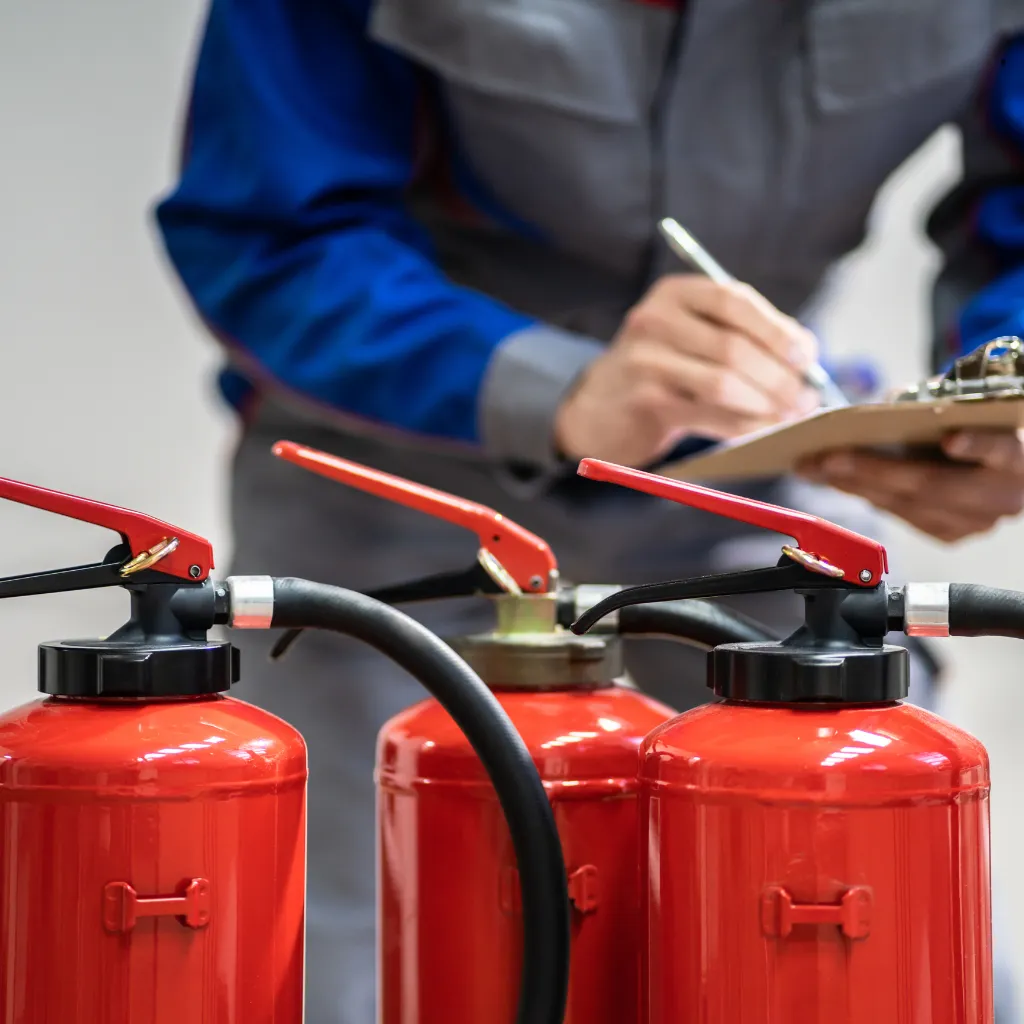
Fire safety inspection is a crucial shield protecting commercial buildings, factories, and human lives. Regular, detailed building checks stop fire disasters before they can start. Certified inspectors spot hidden electrical risks, blocked escape routes, and faulty alarm networks. Without these vital checks, simple workplace mistakes can turn into fatal fires that ruin businesses and cause massive legal liability.
The modern construction and industrial sectors grow fast, creating highly complex building layouts. New building materials and automated machinery introduce unique fire hazards that traditional safety checks miss. Many companies lack internal experts who know exactly how to evaluate modern fire doors or technical suppression systems. Standard safety courses offer general guidelines but fail to teach the exact, hands-on auditing methods required for field inspections.
The OSHAA 30-Hours Professional Diploma in Fire Safety Inspector directly solves this operational training gap. This short, practical course gives learners the exact tools to evaluate structural fire risks confidently. Participants learn how to read building blueprints, test alarms, and write official compliance reports. The training changes hard architectural safety codes into simple, step-by-step checklists for any property.
Graduates finish the program ready to run professional field inspections and pass strict government checks. They gain the technical skills needed to advise corporate boards on fire prevention investments. This professional credential proves a learner can audit facilities and eliminate fire threats effectively. It prepares future fire inspectors to secure commercial properties and protect workforces successfully.
Course Overview
Awarding Body
OSHAA
Duration
30-Hours
Study Mode
Online
Assessment
Assignment Based
Course Study Units
- Introduction to Fire Safety Regulations (2 Hours)
- Fire Risk Assessment (5 Hours)
- Fire Prevention and Control Measures (5 Hours)
- Fire Detection and Alarm Systems (6 Hours)
- Emergency Evacuation Plans (4 Hours)
- Fire Safety Equipment Inspection and Maintenance (5 Hours)
- Dealing with Fire Incidents (3 Hours)

Entry Requirements
Learners are normally expected to meet the following requirements:
Who Can Enroll
This course is designed for professionals who want to master building inspection techniques. It helps current and future safety specialists gain the practical skills needed to audit commercial facilities.
- Aspiring fire safety inspectors and building auditors.
- Facility managers, property coordinators, and estate supervisors.
- Risk assessment consultants and insurance field surveyors.
- Construction site safety managers and quality control engineers.
- Warehouse operations supervisors and industrial plant leads.
- Maintenance technicians, senior electricians, and building foremen.
- Hotel security heads and hospitality safety directors.
- Hospital facility coordinators and healthcare safety leads.
- Government municipal inspectors and public safety workers.
- Individuals wanting a professional credential to start a career in independent fire auditing.
Course Learning Outcomes
Introduction to Fire Safety Regulations (2 Hours)
- Understand key UK fire safety regulations and their legal implications
- Recognise the importance of compliance with the Regulatory Reform (Fire Safety) Order 2005
- Identify the roles and responsibilities of fire safety inspectors in the workplace
- Gain an understanding of applicable fire safety standards and industry codes
- Develop awareness of the legal and financial consequences of non-compliance
Fire Risk Assessment (5 Hours)
- Learn the principles and methodology of conducting fire risk assessments
- Identify potential fire hazards across different environments
- Understand how to evaluate risks and the adequacy of existing control measures
- Learn how to recommend practical improvements to reduce fire risks
- Develop skills to prepare clear, accurate, and actionable assessment reports
Fire Prevention and Control Measures (5 Hours)
- Understand strategies used to prevent fires in various building types
- Gain knowledge of fire-resistant materials, fire barriers, and passive protection systems
- Learn how to assess and maintain active fire control measures such as extinguishers and sprinklers
- Develop the ability to evaluate effectiveness and recommend improvements
- Understand the importance of staff training in fire prevention and control
Fire Detection and Alarm Systems (6 Hours)
- Understand the components and operating principles of fire detection and alarm systems
- Learn how to inspect, test, and verify compliance of alarm systems
- Develop the ability to assess coverage, sensitivity, and response times
- Recognise common faults and identify corrective actions
- Understand ongoing maintenance requirements to ensure systems remain compliant
- Gain practical insight into evaluating system installation and performance
Emergency Evacuation Plans (4 Hours)
- Understand the importance of effective emergency evacuation planning
- Learn how to design, implement, and review evacuation plans for different workplaces
- Gain knowledge of legal requirements for evacuation procedures and signage
- Understand the value of staff training and regular fire drills
- Develop the ability to assess and enhance evacuation plan effectiveness
Fire Safety Equipment Inspection and Maintenance (5 Hours)
- Learn inspection and maintenance procedures for fire extinguishers, alarms, and emergency lighting
- Understand how to check functionality and operational readiness of equipment
- Develop the ability to identify faults and initiate corrective actions
- Gain knowledge of testing schedules and maintenance protocols
- Learn how to document inspections and maintenance activities for compliance
Dealing with Fire Incidents (3 Hours)
- Understand procedures for managing workplace fire emergencies
- Develop the ability to assess fire severity and respond appropriately
- Learn how to coordinate effectively with emergency services
- Gain practical knowledge of fire containment and safe evacuation
- Understand post-incident actions, including inspections, reporting, and review