OSHAA 30-Hours Professional Diploma in Hot Work Safety
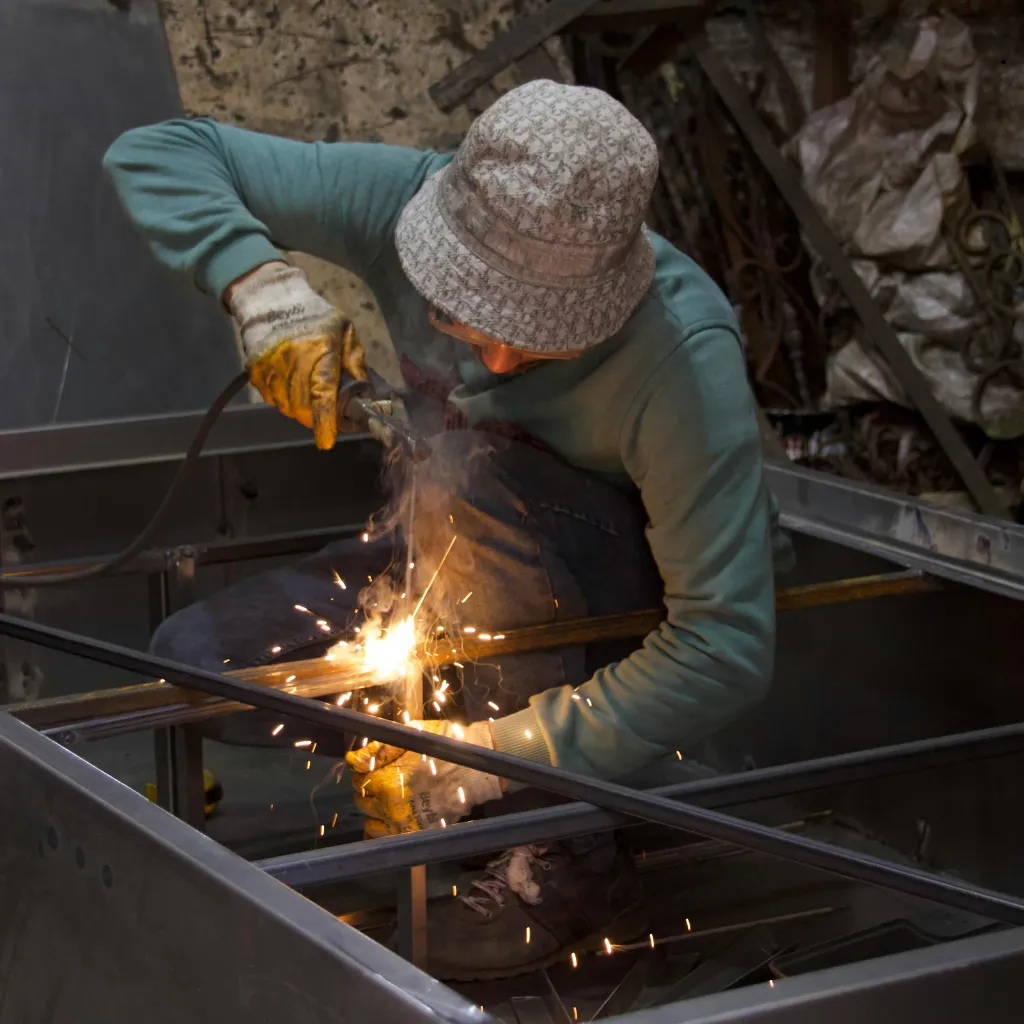
Hot work safety is a critical cornerstone of industrial risk management. Operations such as welding, cutting, brazing, and grinding generate high-temperature sparks and open flames daily. These activities pose severe fire and explosion risks when performed near flammable chemicals, gases, or combustible dust. Failing to manage high-temperature tasks results in devastating facility fires, permanent worker injuries, and massive financial losses. Businesses must enforce strict permit systems and isolation protocols to protect lives and secure corporate property.
Modern manufacturing and construction projects face unique dangers due to fast production timelines and complex workspaces. Many site supervisors lack the specific technical skills required to evaluate explosive vapor levels or organize effective fire watches. General safety courses usually give only brief warnings about sparks. They fail to teach the exact, step-by-step auditing methods needed to manage hot work permits on high-risk job sites.
The OSHAA 30-Hours Professional Diploma in Hot Work Safety directly fixes this critical training gap. This short, practical course gives learners clear tools to identify hidden combustion risks and manage hot work permits confidently. Participants learn how to test air quality, set up physical fire barriers, and manage emergency response plans. The training simplifies complex engineering codes into clear, daily habits for any team leader.
Learners leave the program ready to supervise high-risk thermal operations with complete confidence. They gain the exact field skills required to pass strict government health checks and lower corporate accident rates. This professional certificate proves a specialist knows how to isolate flames and eliminate industrial explosion threats. It prepares future safety leaders to secure their company’s workforce and operational future successfully.
Course Overview
Awarding Body
OSHAA
Duration
30-Hours
Study Mode
Online
Assessment
Assignment Based
Course Study Units
- Introduction to Hot Work (2 Hours)
- Identifying and Assessing Hot Work Hazards (3 Hours)
- Fire Prevention and Protection Measures (4 Hours)
- Personal Protective Equipment (PPE) for Hot Work (3 Hours)
- Hot Work Permits and Procedures (5 Hours)
- Handling Emergency Situations and First Aid (4 Hours)
- Fire Watch and Post-Work Safety (5 Hours)
- Regulatory Standards and Compliance (4 Hours)

Entry Requirements
Learners are normally expected to meet the following requirements:
Who Can Enroll
This course is designed for industrial supervisors and operations professionals who oversee high-temperature tasks. It helps current and future safety specialists gain the practical skills needed to control thermal hazards.
- Safety officers, HSE inspectors, and aspiring fire safety managers.
- Welding supervisors, fabricators, and metal workshop foremen.
- Construction site managers, project engineers, and field supervisors.
- Maintenance department heads, senior mechanics, and plant technicians.
- Factory floor managers, shift supervisors, and production leads.
- Shipyard safety coordinators and marine repair supervisors.
- Refinery operations leads and chemical plant safety officers.
- Quality control inspectors and internal safety audit team members.
- Facility directors looking to eliminate corporate fire and explosion liabilities.
- Individuals wanting a professional credential to manage specialized hot work permits.
Course Learning Outcomes
Introduction to Hot Work (2 Hours)
- Understand the definition, scope, and purpose of hot work activities
- Identify different types of hot work operations such as welding, cutting, and grinding
- Recognise the risks and hazards associated with hot work tasks
- Gain awareness of the importance of hot work safety in preventing accidents
- Become familiar with relevant legal and regulatory frameworks (OSHA, NFPA, etc.)
Identifying and Assessing Hot Work Hazards (3 Hours)
- Recognise the various hazards associated with hot work operations
- Learn to conduct risk assessments specific to hot work environments
- Identify common environmental hazards, including flammable materials and toxic fumes
- Apply hazard identification techniques and checklists to maintain safety
- Understand the importance of pre-job safety assessments to mitigate risk
Fire Prevention and Protection Measures (4 Hours)
- Learn effective fire prevention techniques tailored for hot work activities
- Understand the role of fire-resistant materials and barriers in reducing fire risk
- Recognise and implement proper fire watch procedures during hot work
- Know how to use fire protection equipment, including extinguishers, blankets, and suppression systems
- Implement post-work safety measures to ensure continued fire protection
Personal Protective Equipment (PPE) for Hot Work (3 Hours)
- Identify the types of PPE required for hot work operations
- Understand the importance of PPE in preventing injuries and ensuring worker safety
- Learn proper usage, maintenance, and care for hot work PPE
- Understand task-specific PPE requirements for welding, cutting, and grinding
- Assess PPE fit and compliance for workers in hot work environments
Hot Work Permits and Procedures (5 Hours)
- Gain knowledge of the hot work permit system and its purpose
- Learn correct procedures for obtaining and issuing hot work permits
- Understand the key elements that must be included in a permit
- Implement the permit system effectively before, during, and after hot work operations
- Recognise roles and responsibilities of workers, supervisors, and safety officers in permit compliance
Handling Emergency Situations and First Aid (4 Hours)
- Understand how to recognise and respond to hot work-related emergencies
- Learn basic first aid techniques for burns, injuries, and smoke inhalation
- Know the steps to take during fires, explosions, or other emergencies
- Familiarise with workplace evacuation procedures and emergency response protocols
- Understand the importance of quick decision-making and communication during incidents
Fire Watch and Post-Work Safety (5 Hours)
- Understand the role and responsibilities of a fire watch during and after hot work
- Learn how to monitor for potential fires and hazards after work completion
- Know the duration of fire watch and actions to take if a fire is detected
- Understand procedures for safe disposal of waste and hazardous materials
- Implement post-work safety checks to ensure the area is cleared of risks
Regulatory Standards and Compliance (4 Hours)
- Become familiar with OSHA hot work regulations, including OSHA 1910.252
- Understand industry-specific standards such as NFPA 51B and ANSI Z49.1
- Learn the importance of safety audits and risk management in hot work operations
- Recognise consequences of non-compliance with hot work safety standards
- Understand proper documentation and record-keeping to maintain compliance