LICQual Level 7 Postgraduate Diploma in Advanced Drug Delivery Systems (PgD Drug Delivery Systems)
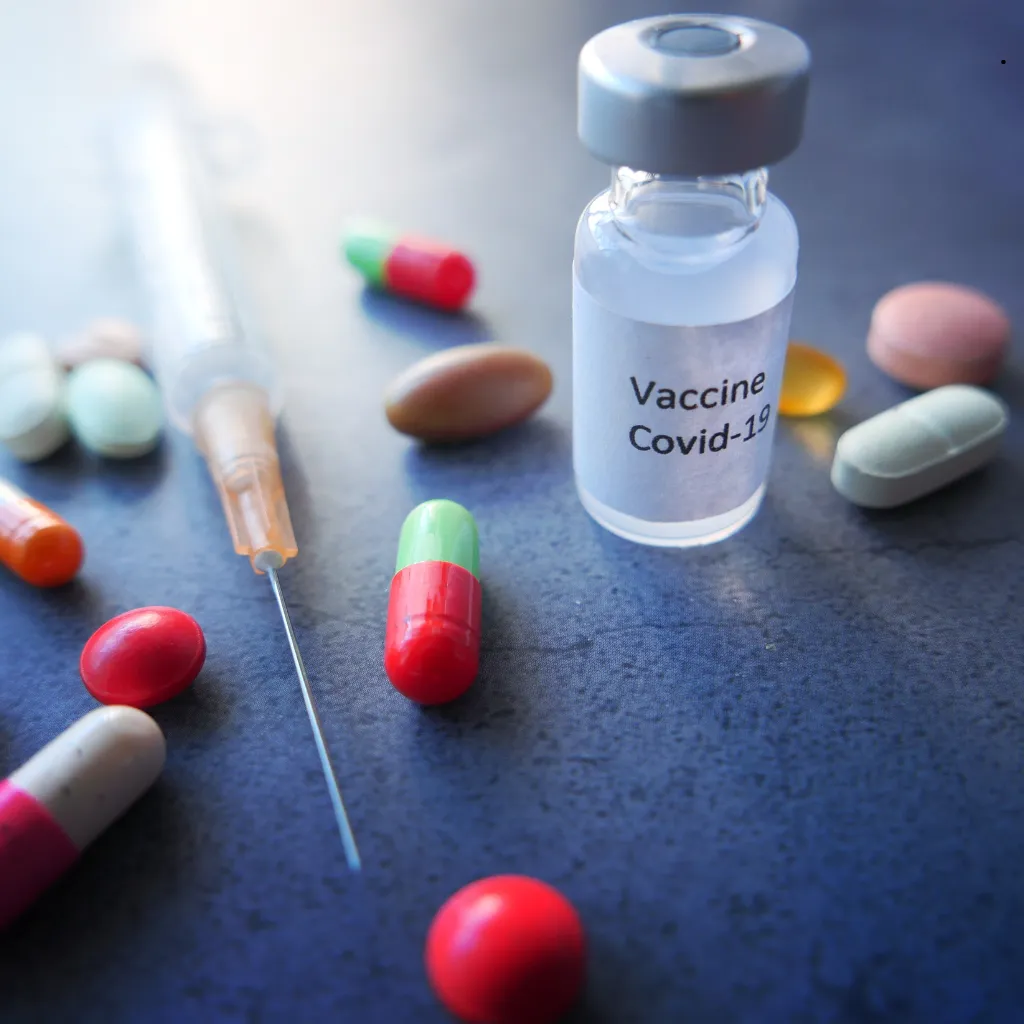
The LICQual Level 7 Postgraduate Diploma in Advanced Drug Delivery Systems (PgD Drug Delivery Systems) is a high-level qualification designed for professionals and graduates who want to build advanced knowledge in pharmaceutical science and modern drug delivery technologies. This programme focuses on how medicines are designed, controlled, and delivered effectively to improve patient outcomes.
This postgraduate diploma explores key areas such as targeted drug delivery, controlled release systems, nanotechnology in medicine, and formulation science. Learners study how drugs interact with the human body and how advanced systems improve absorption, effectiveness, and safety. The course also supports understanding of research methods used in pharmaceutical development.
With rapid growth in pharmaceutical innovation, drug delivery systems play a major role in modern healthcare. This qualification helps learners understand industry practices used in designing efficient delivery methods for tablets, injections, implants, and advanced therapeutic systems. It builds strong knowledge of quality standards and regulatory expectations.
The LICQual Level 7 PgD in Advanced Drug Delivery Systems supports career development in pharmaceutical companies, research laboratories, biotechnology firms, and healthcare industries. It prepares learners for roles in drug formulation, product development, clinical research, and pharmaceutical innovation, helping them build strong professional pathways in the global healthcare sector.
Course Overview
Awarding Body
LICQual
Credits
120
Study Mode
Online
Assessment
Assignment Based
Course Study Units
- Principles of Advanced Drug Delivery Systems
- Formulation Science and Drug Design
- Nanotechnology and Novel Drug Carriers
- Pharmacokinetics, Pharmacodynamics, and Biopharmaceutics
- Regulatory, Quality, and Safety Considerations
- Research Project Design and Dissemination

Entry Requirements
Who Can Enroll
The LICQual Level 7 Postgraduate Diploma in Advanced Drug Delivery Systems is designed for individuals who want to build strong knowledge in pharmaceutical science and drug formulation. It is suitable for learners aiming to advance their careers in drug development, research, and healthcare innovation.
This programme is ideal for:
- Graduates in pharmacy, pharmaceutical sciences, chemistry, biology, or related fields
- Healthcare professionals who want to move into pharmaceutical research or product development
- Laboratory technicians working in drug testing or quality control roles
- Professionals in pharmaceutical or biotechnology industries seeking advanced skills
- Researchers interested in drug delivery systems and formulation science
- Individuals planning further study or specialization in pharmaceutical technology
Course Learning Outcomes
By the end of this course, learners will be able to:
Unit 1: Principles of Advanced Drug Delivery Systems
Learners will be able to
- Critically evaluate fundamental concepts of drug delivery, including pharmacokinetics and pharmacodynamics
- Analyse various drug targeting and delivery strategies
- Assess the suitability of different drug delivery systems for specific therapeutic applications
- Apply scientific principles to optimise drug delivery performance
Unit 2: Formulation Science and Drug Design
Learners will be able to
- Design and develop advanced drug formulations for controlled and targeted release
- Evaluate the stability, bioavailability, and efficacy of drug products
- Apply formulation strategies to enhance therapeutic outcomes
- Integrate formulation knowledge into practical drug delivery solutions
Unit 3: Nanotechnology and Novel Drug Carriers
Learners will be able to
- Critically assess the application of nanotechnology in modern drug delivery
- Analyse emerging drug carrier systems including nanoparticles, micelles, dendrimers, and nanogels
- Apply innovative technologies to improve drug targeting and therapeutic efficacy
- Translate knowledge of novel carriers into research and clinical practice
Unit 4: Pharmacokinetics, Pharmacodynamics, and Biopharmaceutics
Learners will be able to
- Analyse drug absorption, distribution, metabolism, and excretion in relation to delivery systems
- Apply pharmacokinetic and pharmacodynamic modelling to optimise drug therapy
- Evaluate drug-release profiles to enhance treatment efficacy and safety
- Integrate biopharmaceutics principles into the design of advanced delivery systems
Unit 5: Regulatory, Quality, and Safety Considerations
Learners will be able to
- Apply regulatory frameworks and quality assurance standards to drug delivery systems
- Conduct safety assessments and risk management for pharmaceutical products
- Ensure compliance with Good Manufacturing Practice (GMP) and professional standards
- Evaluate legal and ethical responsibilities in the development and use of advanced drug delivery systems
Unit 6: Research Project Design and Dissemination
Learners will be able to
- Plan, design, and execute research projects in advanced drug delivery systems
- Analyse and interpret research data to draw valid conclusions
- Prepare professional reports, manuscripts, and presentations for dissemination
- Translate research findings into practical applications within pharmaceutical practice