LICQual Level 7 Postgraduate Diploma in Pharmacy Data Analytics (PgD Pharmacy Data Analytics)
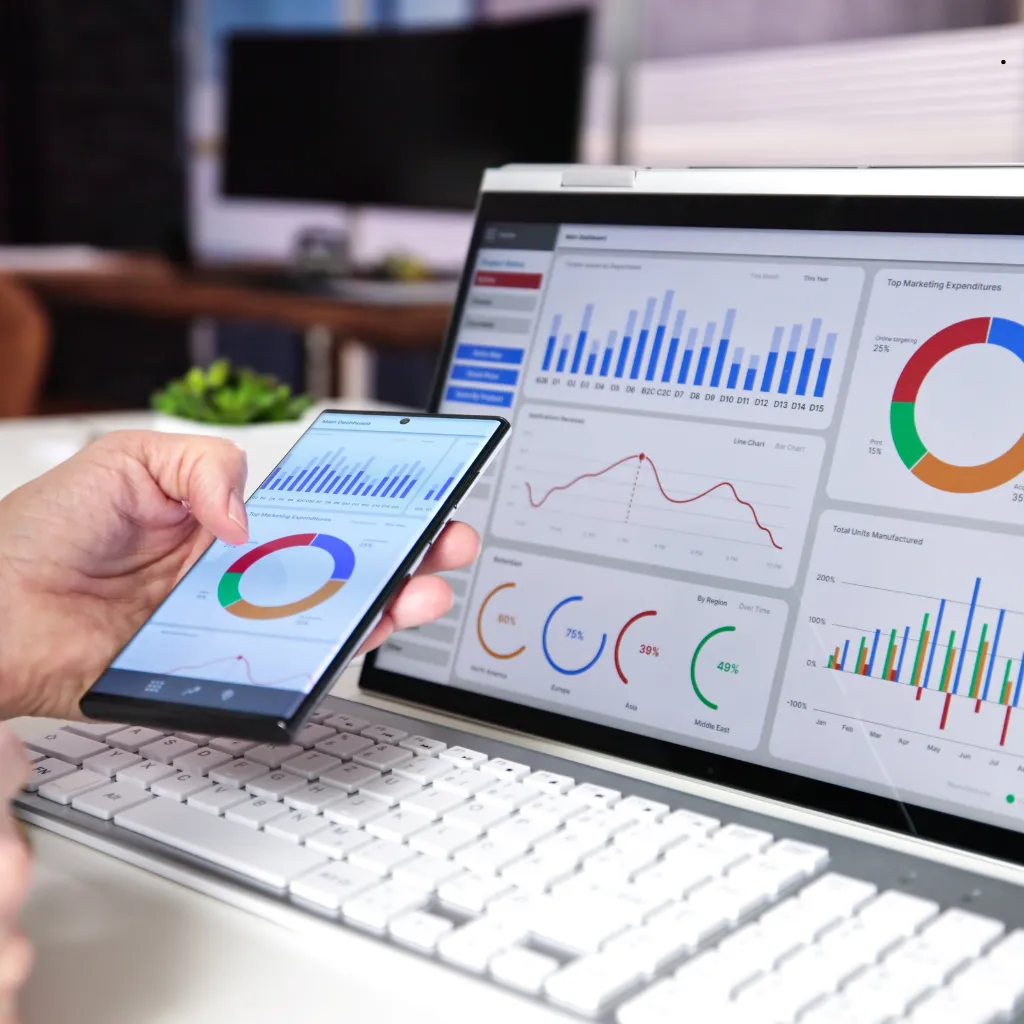
The LICQual Level 7 Postgraduate Diploma in Pharmacy Data Analytics (PgD Pharmacy Data Analytics) is an advanced qualification designed for pharmacy and healthcare professionals who want to develop strong data analysis skills within the pharmaceutical sector. It focuses on using data to improve medicine development, patient care, and healthcare decision-making.
This programme builds expertise in areas such as pharmaceutical data interpretation, clinical data analysis, research methods, and digital healthcare systems. Learners study how to collect, manage, and analyse pharmacy-related data to support safe and effective use of medicines. The course also introduces statistical tools and modern digital technologies used in healthcare analytics.
With the rapid growth of digital health systems and data-driven decision-making, pharmacy data analytics plays an important role in improving treatment outcomes and healthcare efficiency. This qualification helps learners understand how data supports drug development, clinical trials, medication safety, and healthcare planning.
The PgD in Pharmacy Data Analytics supports career development in pharmaceutical companies, healthcare organisations, research institutions, and clinical data departments. It prepares professionals for roles in data analysis, healthcare research, and pharmaceutical informatics, strengthening their ability to make informed decisions in modern healthcare environments.
Course Overview
Awarding Body
LICQual
Credits
120
Study Mode
Online
Assessment
Assignment Based
Course Study Units
- Foundations of Pharmacy Data Analytics
- Statistical Analysis and Predictive Modelling
- Data Visualization and Reporting in Pharmacy
- Big Data and Healthcare Informatics
- Research Methods and Evidence-Based Practice in Pharmacy Analytics
- Leadership, Ethics, and Professional Development in Pharmacy Data Analytics

Entry Requirements
Who Can Enroll
This is designed for individuals who want to build strong expertise in data-driven decision-making within pharmacy, healthcare, and pharmaceutical research. It is suitable for those aiming to work with clinical data, pharmaceutical information systems, and healthcare analytics.
This programme is ideal for:
- Pharmacy graduates and pharmaceutical science professionals
- Healthcare professionals interested in data and digital health systems
- Graduates in life sciences, mathematics, statistics, or computer science
- Researchers working in clinical trials or pharmaceutical studies
- Laboratory professionals involved in data recording and analysis
- Professionals in pharmaceutical companies or healthcare organisations
- Individuals seeking careers in healthcare analytics and pharmaceutical informatics
Course Learning Outcomes
By the end of this course, learners will be able to:
Unit 1: Foundations of Pharmacy Data Analytics
Learners will be able to
- Critically analyse the key concepts of data analytics, statistics, and informatics in pharmacy practice
- Apply data collection and management techniques to ensure accuracy and reliability of healthcare datasets
- Evaluate data quality and identify strategies to improve data integrity in pharmacy operations
- Develop approaches to utilise analytical principles to enhance patient care and operational efficiency
Unit 2: Statistical Analysis and Predictive Modelling
Learners will be able to
- Critically analyse the key concepts of data analytics, statistics, and informatics in pharmacy practice
- Apply data collection and management techniques to ensure accuracy and reliability of healthcare datasets
- Evaluate data quality and identify strategies to improve data integrity in pharmacy operations
- Develop approaches to utilise analytical principles to enhance patient care and operational efficiency
Unit 3: Data Visualization and Reporting in Pharmacy
Learners will be able to
- Design effective data visualizations and dashboards for pharmacy datasets
- Communicate complex analytical insights clearly to stakeholders and decision-makers
- Apply reporting tools to support evidence-based decision-making in pharmacy practice
- Evaluate the impact of data presentation on operational and clinical outcomes
Unit 4: Big Data and Healthcare Informatics
Learners will be able to
- Analyse the role of big data, electronic health records, and digital systems in pharmacy
- Apply data integration and management techniques to large-scale healthcare datasets
- Evaluate data security and governance practices within pharmacy informatics
- Develop strategies to leverage big data to improve clinical and operational outcomes
Unit 5: Research Methods and Evidence-Based Practice in Pharmacy Analytics
Learners will be able to
- Design and conduct research projects relevant to pharmacy data analytics
- Analyse and interpret data to support evidence-based pharmacy practice
- Critically appraise scientific literature and apply findings to policy and practice
- Develop strategies to integrate research outcomes into operational and clinical decision-making
Unit 6: Leadership, Ethics, and Professional Development in Pharmacy Data Analytics
Learners will be able to
- Apply ethical principles and data governance standards in pharmacy analytics
- Demonstrate leadership and project management skills in data-driven pharmacy initiatives
- Develop professional strategies to enhance CPD and career progression
- Lead initiatives that improve data quality, clinical decision-making, and service delivery in pharmacy