QualCert Level 6 Diploma in International Trade – Shipping
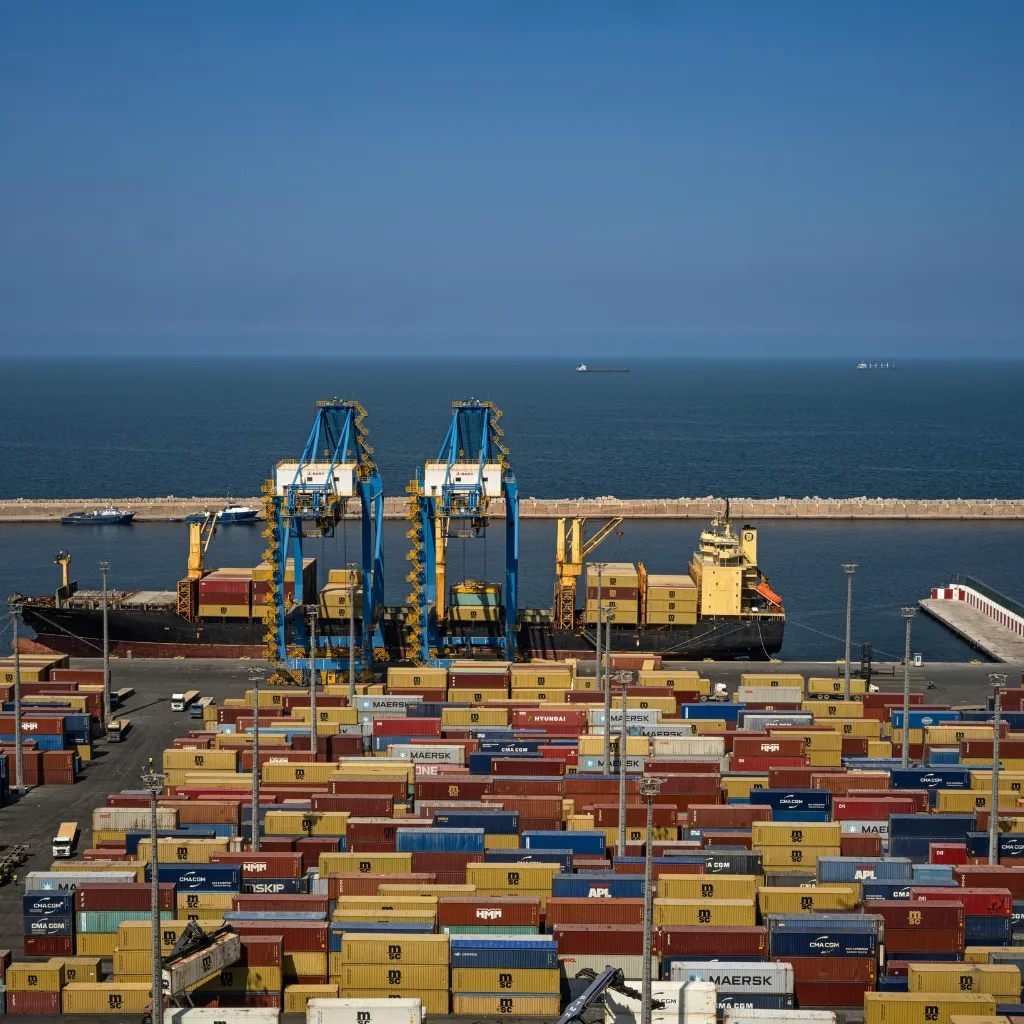
The QualCert Level 6 Diploma in International Trade – Shipping is an advanced, professional qualification designed for individuals seeking to build or progress into senior roles within global shipping, logistics, and international trade management. This course provides in-depth knowledge of complex international trade systems, maritime shipping operations, global supply chain strategies, and trade compliance regulations. It is ideal for experienced professionals, managers, and graduates who want to enhance their expertise and take on leadership responsibilities in the shipping and logistics industry.
Throughout this diploma, learners develop a strong understanding of international trade laws, import and export procedures, customs regulations, freight management, port operations, and strategic supply chain planning. The course also focuses on critical skills such as decision-making, risk management, negotiation, and global business communication, which are essential for senior-level positions in the industry.
By completing the QualCert Level 6 Diploma in International Trade – Shipping, learners significantly improve their career prospects and open doors to high-level roles such as shipping manager, trade compliance officer, logistics director, and supply chain strategist. This qualification is internationally relevant and aligned with global industry standards, making it highly valuable for professionals aiming to work in multinational companies, shipping corporations, and international trade organizations.
Course Overview
Awarding Body
QualCert
Credits
120
Study Mode
Online
Assessment
Assignment Based
Course Study Units
- Strategic Management of International Trade and Shipping
- Global Trade Frameworks, Policy and Governance
- Advanced Shipping Logistics and Supply Chain Integration
- International Trade Finance, Risk and Compliance
- Innovation, Technology and Sustainability in Shipping
- Research Project in International Trade and Shipping

Entry Requirements
Who Can Enroll
The QualCert Level 6 Diploma in International Trade – Shipping is designed for advanced learners and professionals who want to develop senior-level expertise in global trade, shipping, and logistics management. It is suitable for:
- Experienced professionals in shipping and logistics who want to progress into senior or managerial roles
- Supply chain and freight forwarding staff seeking advanced knowledge of international trade systems
- Business graduates or diploma holders in logistics, maritime studies, or international business
- Import/export executives and coordinators aiming to strengthen strategic and operational skills
- Middle managers and supervisors in shipping companies, ports, or logistics firms
- Entrepreneurs and business owners involved in international trade, import/export, or global distribution
Course Learning Outcomes
Strategic Management of International Trade and Shipping
- Analyse the strategic role of shipping in global trade networks.
- Evaluate management approaches for international trade operations.
- Apply leadership principles to shipping and trade scenarios.
- Assess the impact of competition on trade and shipping performance.
- Develop strategies for improving efficiency and profitability.
- Demonstrate knowledge of long-term planning in trade and shipping.
- Critically evaluate case studies of successful trade management.
Global Trade Frameworks, Policy and Governance
- Demonstrate advanced knowledge of international trade frameworks.
- Evaluate the role of WTO, UNCTAD, and other governing bodies.
- Apply governance frameworks to shipping and trade operations.
- Assess compliance requirements for international trade agreements.
- Analyse the impact of trade policies on shipping markets.
- Critically evaluate the effectiveness of global trade governance.
- Develop strategies for ensuring compliance in complex trade environments.
Advanced Shipping Logistics and Supply Chain Integration
- Analyse the role of shipping within global supply chains.
- Evaluate the relationship between shipping lines, ports, and inland logistics.
- Apply advanced knowledge of multimodal transport systems.
- Assess the impact of globalisation on shipping operations.
- Demonstrate understanding of trade facilitation measures.
- Critically evaluate supply chain risks and resilience strategies.
- Develop solutions for integrating shipping into global logistics networks.
International Trade Finance, Risk and Compliance
- Demonstrate advanced knowledge of trade finance instruments.
- Evaluate the role of banks and financial institutions in trade.
- Apply compliance requirements to international trade finance.
- Assess the impact of financial risks on trade operations.
- Analyse the role of anti-money laundering and sanctions frameworks.
- Critically evaluate case studies of trade finance disputes.
- Develop strategies for managing financial risks in trade.
Innovation, Technology and Sustainability in Shipping
- Analyse the role of digitalisation in modern shipping operations.
- Evaluate the impact of automation and smart technologies.
- Apply knowledge of IT systems for cargo tracking and trade efficiency.
- Assess the benefits and challenges of digital transformation.
- Demonstrate understanding of sustainability in shipping and trade.
- Develop strategies for adopting innovative technologies in ports and shipping.
- Critically evaluate global trends in sustainable trade practices.
Research Project in International Trade and Shipping
- Demonstrate the ability to link research to industry practice.
- Identify a relevant research topic within international trade and shipping.
- Formulate clear research objectives and methodology.
- Conduct independent research using appropriate sources.
- Analyse and interpret trade and shipping data to support findings.
- Apply critical thinking to evaluate research outcomes.
- Present research in a structured and professional format.