ACS – GP USA Scaffolding Safety Course
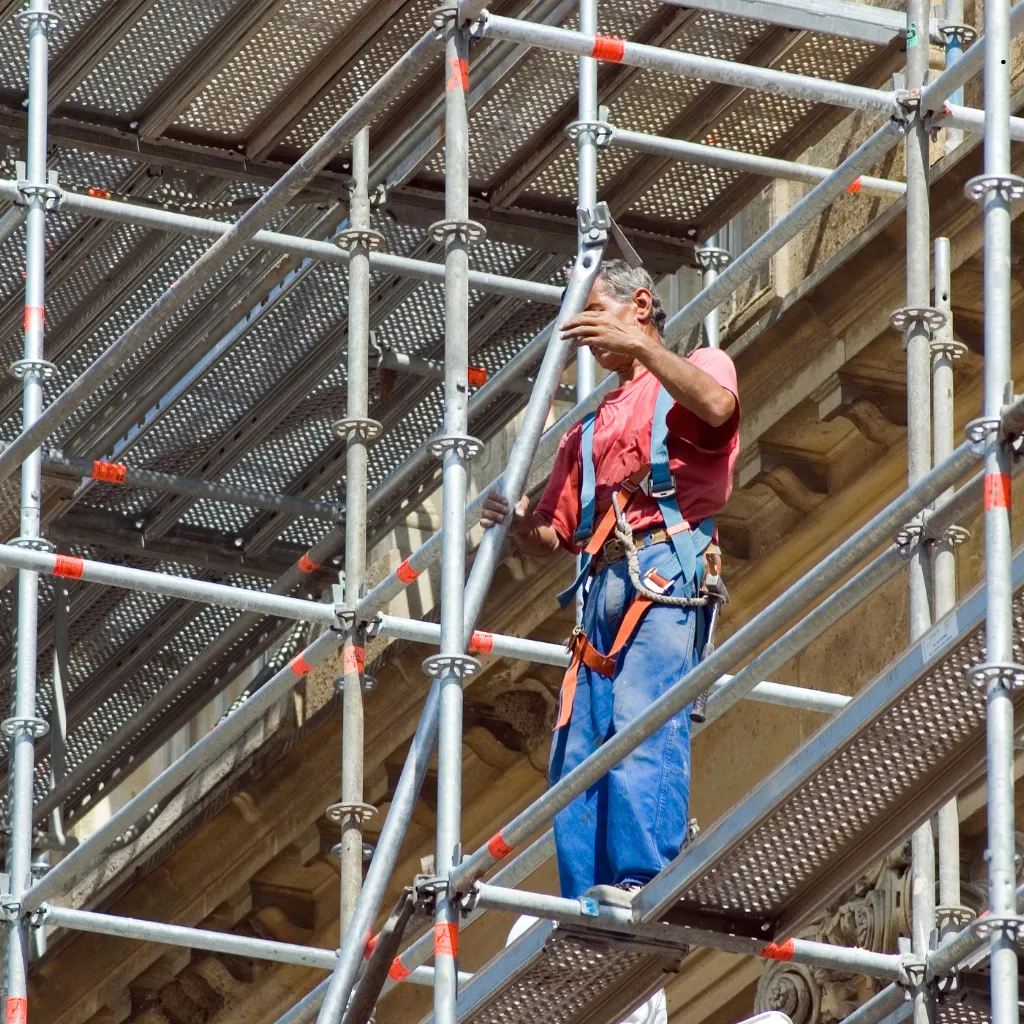
The ACS – GP USA Scaffolding Safety Course is a comprehensive training program designed to equip workers, supervisors, and safety professionals with essential knowledge and practical skills for safe scaffold erection, use, inspection, and dismantling. Scaffolding-related incidents remain one of the leading causes of workplace injuries in construction, maintenance, and industrial sectors, making structured safety training critical for risk reduction and compliance with international safety standards.
This course covers key aspects of scaffolding safety, including hazard identification, load capacity awareness, fall protection requirements, safe access and egress, inspection procedures, and stability principles. Participants will also learn how to recognize defective scaffolding components, implement control measures, and ensure compliance with OSHA, ANSI, and industry best practices.
Upon completion, learners will be able to confidently assess scaffold safety risks, apply correct erection and inspection techniques, and support safer construction operations on-site. This training enhances workplace safety performance, reduces accident rates, and strengthens compliance readiness. It is ideal for professionals working in construction, maintenance, industrial operations, and any environment where scaffolding systems are used for elevated work tasks.
Course Overview
Awarding Body
ACS – GP
Duration
2 day
Study Mode
Online
Assessment
Scaffold Safety Test
Course Objective
- Understand OSHA standards for scaffolding safety and their workplace applications.
- Identify scaffold hazards, such as unstable bases, overloading, and fall risks.
- Learn safe scaffold erection, use, and dismantling procedures.
- Develop skills to conduct pre-use scaffold inspections and identify defects.
- Explore the use of personal protective equipment (PPE) and fall protection for scaffolding.
- Gain knowledge of emergency response procedures for scaffold-related incidents.
- Understand the importance of scaffold safety training and communication.
- Learn to document scaffold inspections and incidents for compliance.

Entry Requirements
- Minimum Age: Learners must be 18 years or above.
- Educational Background: Basic literacy and numeracy skills are recommended.
- Language Proficiency: Good understanding of written and spoken English is required to understand safety instructions and training materials.
- Work Experience: Prior experience in construction, maintenance, scaffolding, or industrial environments is beneficial but not mandatory.
Who Can Enroll
This course is designed for individuals involved in scaffolding activities or working in environments where scaffold structures are used for access and work at height. It is suitable for:
- Scaffolding erectors, inspectors, and dismantlers
- Construction workers and site operatives
- Maintenance and repair personnel
- Civil engineering and infrastructure workers
- Warehouse and industrial maintenance teams
- Lifting and access equipment operators
- Site supervisors and safety officers
- Anyone working on or around scaffolding structures
Course Learning Outcomes
- Participants will demonstrate understanding and compliance with OSHA scaffolding safety standards and regulations.
- Learners will identify scaffold-related hazards and apply effective risk control measures in construction and industrial environments.
- Attendees will safely erect, use, modify, and dismantle scaffolding systems in accordance with best practices.
- Graduates will perform detailed scaffold inspections to ensure structural integrity, stability, and safe working conditions.
- Participants will correctly use PPE and fall protection systems while working on or around scaffolding structures.
- Learners will respond appropriately to scaffold-related incidents and emergency situations to minimize risk and injury.
- Attendees will accurately document scaffold inspections, safety checks, and incident reports in line with workplace requirements.