LICQual Level 4 Award in AED Trainer Assessor
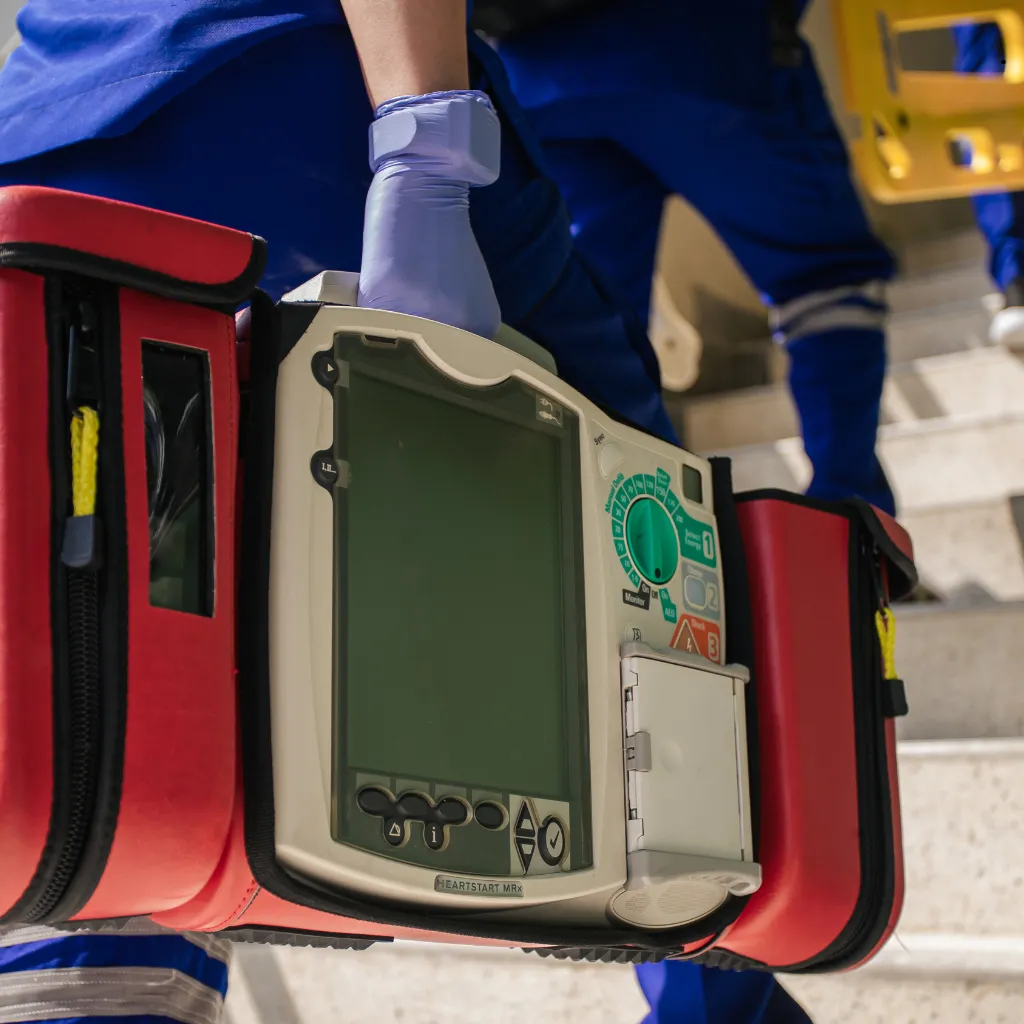
The LICQual Level 4 Award in AED Trainer Assessor is a specialized qualification designed for individuals seeking to become certified trainers and assessors in Automated External Defibrillator (AED) use and emergency cardiac response. This course equips learners with the instructional expertise, assessment competence, and practical emergency response knowledge required to deliver high-quality AED training in workplace, healthcare, and public safety environments.
This comprehensive program covers essential areas including AED operation principles, cardiac arrest response procedures, CPR integration techniques, training delivery methods, learner assessment strategies, and compliance with international resuscitation and safety guidelines. Learners will also develop strong skills in adult learning principles, practical demonstrations, session planning, and competency-based evaluation.
Upon completion, graduates will be qualified to design, deliver, and assess AED training programs across various industries such as healthcare, education, construction, manufacturing, and corporate sectors. The LICQual Level 4 Award in AED Trainer Assessor enhances career opportunities in first aid instruction, emergency response training, and occupational health and safety roles while supporting employers in building safer workplaces equipped with effective life-saving response capabilities.
Course Overview
Awarding Body
LICQual
Credits
12
Study Mode
Online
Assessment
Assignment Based
Study Units
- Principles of Automated External Defibrillation (AED)
- AED Operation and Maintenance
- Advanced CPR and AED Integration
- Training Delivery Techniques for AED Instruction
- Assessment Strategies for AED Competence
- Quality Assurance in AED Training and Assessment

Entry Requirements
- Minimum Age: Learners must be 18 years or above.
- Educational Background: Basic secondary education or equivalent workplace experience is recommended.
- Language Proficiency: Good understanding of English (reading, writing, and communication) is required.
- Work Experience: Prior experience in first aid, AED use, CPR, health & safety, or emergency response is beneficial but not mandatory.
Who Can Enroll
This course is ideal for individuals who want to become certified AED trainers and assessors.
- First aid trainers and instructors
- Health & safety professionals and officers
- Emergency response and rescue personnel
- Nurses, paramedics, and healthcare workers
- Workplace safety coordinators and supervisors
- Fitness trainers, lifeguards, and sports staff
- Corporate trainers in safety and emergency preparedness
- Individuals seeking a career in life-saving emergency training
Course Learning Outcomes
Principles of Automated External Defibrillation (AED)
- Explain the physiological principles behind defibrillation and its role in cardiac arrest management.
- Identify different types of AED devices and their operational principles.
- Recognise common cardiac arrest rhythms and understand when AED use is appropriate.
- Describe safety considerations and precautions when using an AED.
- Outline legal, ethical, and regulatory frameworks governing AED use.
AED Operation and Maintenance
- Demonstrate correct procedures for powering, operating, and positioning AED pads on a casualty.
- Interpret AED voice and visual prompts to deliver safe and effective shocks.
- Identify and troubleshoot common AED malfunctions or operational issues.
- Carry out routine AED maintenance checks in compliance with manufacturer guidelines.
- Maintain accurate records of AED use, servicing, and readiness checks.
Advanced CPR and AED Integration
- Perform high-quality CPR following internationally recognised guidelines (e.g., ILCOR, AHA, ERC).
- Integrate AED use seamlessly within the CPR cycle to minimise interruptions.
- Apply advanced airway and ventilation techniques alongside AED use, where applicable.
- Coordinate AED and CPR in team-based resuscitation scenarios.
- Evaluate performance and identify areas for improvement during simulated cardiac arrest events.
Training Delivery Techniques for AED Instruction
- Plan and deliver structured AED training sessions suitable for varied learner groups.
- Use visual aids, demonstrations, and practical simulations to enhance learning.
- Adapt teaching methods to meet the needs of diverse learners and learning styles.
- Ensure training content meets recognised standards and certification requirements.
- Evaluate learner engagement and adjust delivery strategies accordingly.
Assessment Strategies for AED Competence
- Design valid and reliable assessment tools to evaluate AED knowledge and skills.
- Conduct practical assessments in realistic scenarios to measure learner competence.
- Apply fair and consistent assessment practices in line with awarding body standards.
- Provide constructive feedback to support learner improvement.
- Maintain assessment records in compliance with quality assurance policies.
Quality Assurance in AED Training and Assessment
- Explain the importance of quality assurance in AED training and assessment.
- Implement internal verification processes to ensure training consistency.
- Identify areas for improvement through monitoring, feedback, and learner evaluations.
- Maintain compliance with legal, organisational, and awarding body requirements.
- Develop and follow a continuous improvement plan for AED training programmes.