ICTQual AB Level 2 International Diploma in Fire Safety and Firefighting Technology
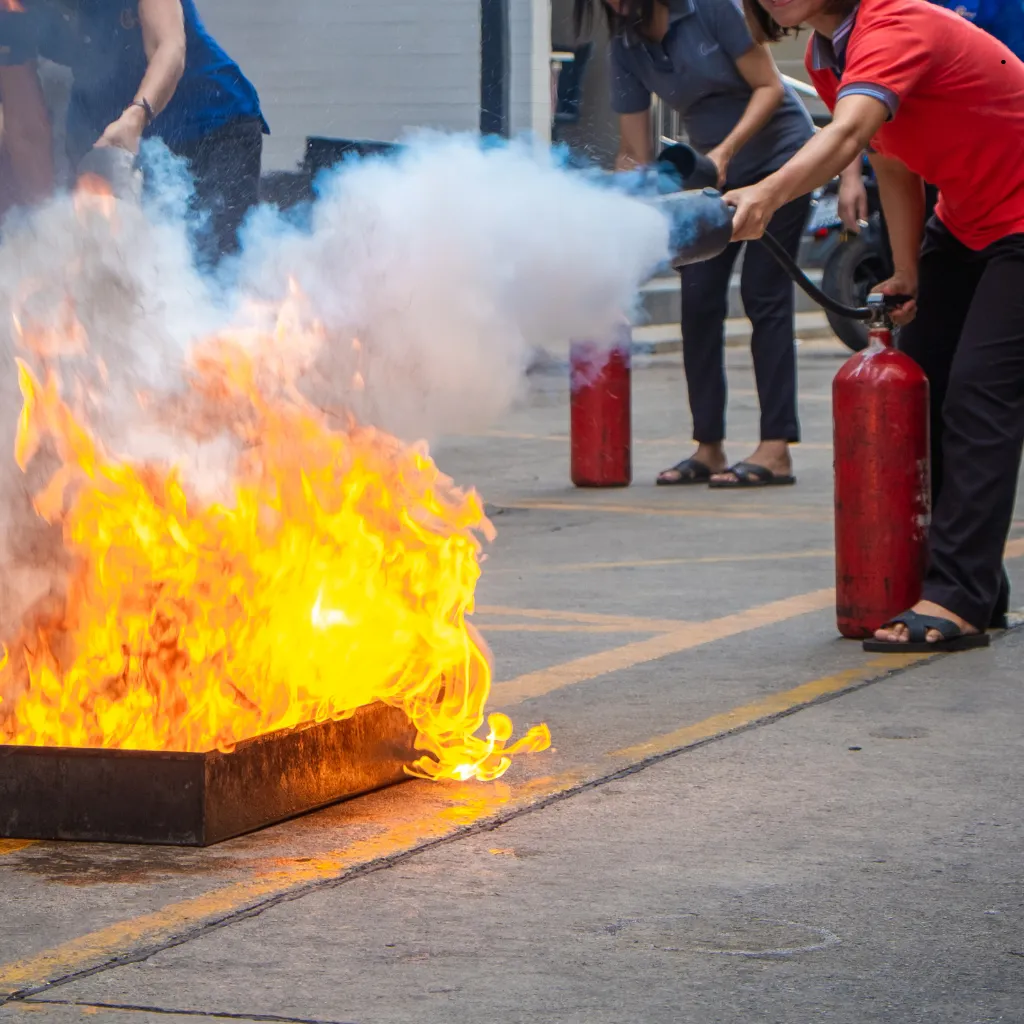
The ICTQual AB Level 2 International Diploma in Fire Safety and Firefighting Technology is a foundational qualification designed to equip learners with essential knowledge of fire prevention, fire behavior, and basic firefighting principles. In today’s high-risk environments such as construction sites, industrial facilities, healthcare settings, and commercial buildings, fire safety awareness is critical for protecting lives, property, and business continuity. This course provides a strong entry-level pathway into the field of fire safety and emergency response.
The programme covers key areas including fire risk identification, fire prevention strategies, use of firefighting equipment, evacuation procedures, fire classification, and emergency response protocols. Learners also gain an understanding of fire safety regulations, workplace safety responsibilities, and the importance of maintaining fire-safe environments. The course blends theoretical knowledge with practical fire safety awareness, ensuring learners can respond effectively to basic fire incidents and support emergency teams when required.
Upon completion, learners will be prepared for entry-level roles in fire safety support, facilities management, industrial safety assistance, and emergency preparedness teams. This internationally recognized Level 2 diploma also serves as a stepping stone toward advanced fire safety and emergency management qualifications. It enhances employability, strengthens workplace safety culture, reduces fire-related risks, and supports organizations in maintaining compliance with fire safety standards and best practices.
Course Overview
Awarding Body
ICTQual AB
credits
30
Study Mode
Online
Assessment
Assignment Based
Study Units
- Introduction to Fire Safety
- Firefighting Techniques and Equipment
- Risk Assessment and Emergency Management

Entry Requirements
- Entry Requirements
- Minimum Age: Learners must be 18 years or above.
- Educational Background: A Level 1 qualification or equivalent is recommended. Candidates from any academic background can apply.
- Language Proficiency: Basic understanding of English is required to follow safety instructions and course materials.
- Work Experience: No prior experience is required, although exposure to industrial, construction, or facilities environments is an advantage.
Who Can Enroll
Diploma in Fire Safety and Firefighting Technology is ideal for individuals seeking essential knowledge in fire safety, prevention, and emergency response.
- Entry-level fire safety and emergency support staff
- Construction, industrial, and warehouse workers
- Facilities management and building maintenance staff
- Security personnel and safety assistants
- Healthcare and public sector support staff
- Individuals aiming to start a career in fire safety or emergency services
- Anyone interested in learning fire prevention and firefighting basics
- Learners progressing toward advanced fire safety qualifications
Course Learning Outcomes
Introduction to Fire Safety
- Understand the fundamental principles of fire science and safety
- Identify different types of fires and their characteristics
- Recognise common fire hazards in workplace and public environments
- Apply basic fire prevention measures to reduce risk
- Develop awareness of legal and regulatory requirements for fire safety
Firefighting Techniques and Equipment
- Gain practical knowledge of firefighting methods and suppression techniques
- Understand the correct use and maintenance of firefighting equipment
- Apply emergency response procedures effectively during fire incidents
- Develop skills for safe handling of fire suppression systems
- Build confidence to respond to fires in industrial, commercial, and public settings
Risk Assessment and Emergency Management
- Conduct basic fire risk assessments in various environments
- Identify potential hazards and implement control measures to mitigate risks
- Develop and apply emergency and evacuation plans effectively
- Understand procedures for incident reporting and documentation
- Contribute to a culture of safety and continuous improvement in fire management