ICTQual AB Level 2 International Diploma in Waste Management and Recycling Technology
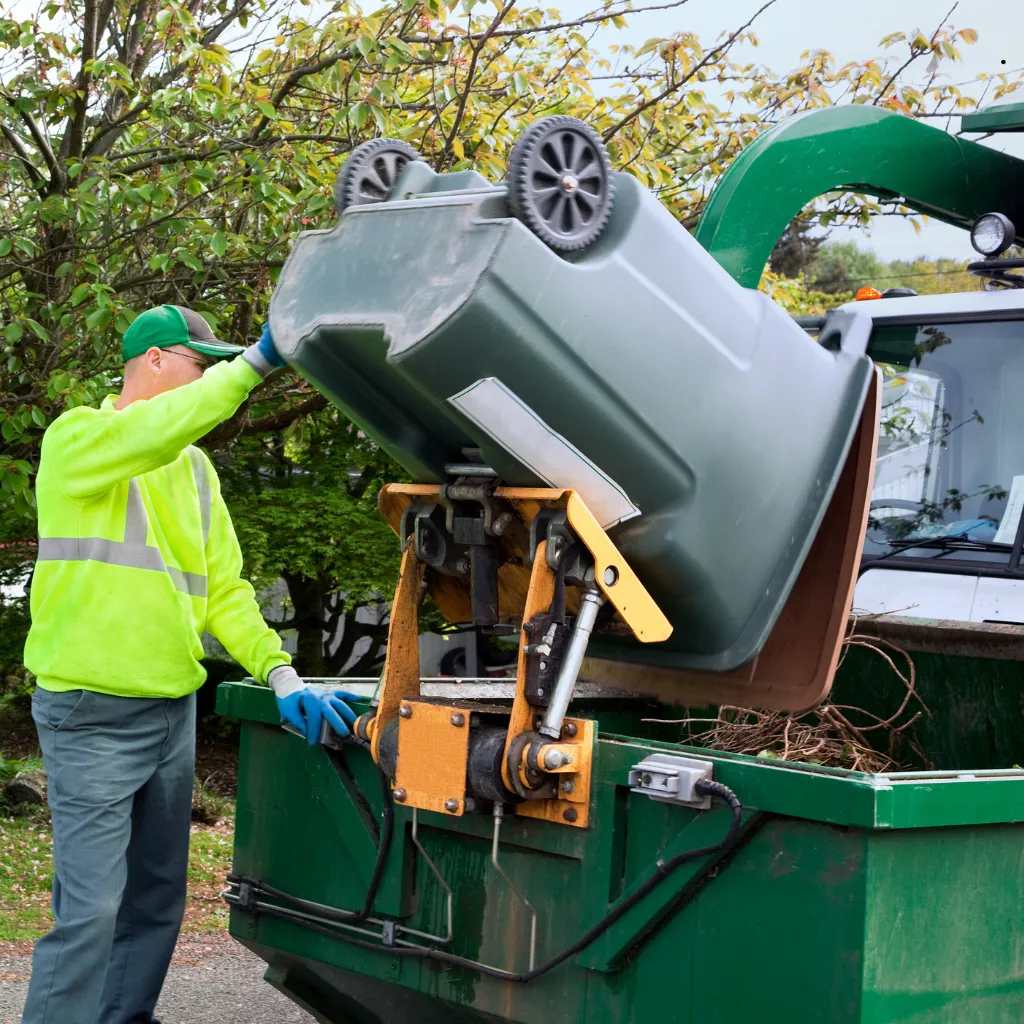
The ICTQual AB Level 2 International Diploma in Waste Management and Recycling Technology is a foundational qualification designed to equip learners with essential knowledge of modern waste management systems, recycling processes, and environmental sustainability practices. As global concerns around pollution, landfill reduction, and resource conservation continue to rise, this course provides a critical entry point for individuals seeking to contribute to sustainable environmental solutions across industries and communities.
The programme covers key areas including waste segregation, recycling technologies, hazardous and non-hazardous waste handling, environmental impact reduction, and sustainable resource management. Learners will also gain an understanding of waste legislation, environmental compliance requirements, and best practices used in municipal, industrial, and commercial waste systems.
Upon completion, learners will be prepared for entry-level roles in waste management operations, environmental services, recycling facilities, and sustainability support teams. This internationally recognized Level 2 diploma also provides a strong foundation for further studies in environmental management and sustainability. It enhances employability, supports regulatory compliance, improves operational efficiency, and contributes to building cleaner, safer, and more sustainable environments.
Course Overview
Awarding Body
ICTQual AB
credits
30
Study Mode
Online
Assessment
Assignment Based
Study Units
- Introduction to Waste Management
- Recycling Technologies and Processes
- Environmental Risk Assessment and Compliance

Entry Requirements
- Minimum Age: Learners must be 18 years or above.
- Educational Background: A Level 1 qualification or equivalent is recommended. Applicants from any academic background may apply.
- Language Proficiency: Basic English skills are required to understand course content and environmental terminology.
- Work Experience: No prior experience is required, although exposure to environmental services, industrial sites, or waste handling environments is beneficial.
Who Can Enroll
This course is designed for individuals interested in building a career in environmental sustainability, waste management, and recycling operations.
- Entry-level waste management and recycling workers
- Environmental services and sanitation staff
- Industrial and municipal waste handling personnel
- Sustainability and environmental support assistants
- Construction and manufacturing site workers
- Local authority and municipal service staff
- Individuals seeking careers in environmental protection and resource management
Course Learning Outcomes
Introduction to Waste Management
- Understand the fundamental principles and importance of effective waste management
- Recognise the environmental, social, and economic impact of waste generation
- Apply basic waste handling and disposal techniques in practical scenarios
- Develop awareness of waste management regulations, policies, and standards
- Build foundational knowledge to support further learning or entry-level professional roles
Recycling Technologies and Processes
- Identify different recycling methods and technologies used in industrial and municipal contexts
- Apply practical skills in resource recovery and material segregation
- Understand techniques for reducing, reusing, and recycling waste effectively
- Evaluate the efficiency of recycling processes and their environmental benefits
- Develop competency in supporting sustainable operations and waste minimisation strategies
Environmental Risk Assessment and Compliance
- Conduct basic assessments of environmental risks associated with waste management operations
- Identify potential hazards and implement appropriate mitigation measures
- Understand regulatory frameworks and ensure compliance with environmental laws
- Develop skills for monitoring, reporting, and documenting environmental performance
- Contribute to creating safe, compliant, and sustainable workplace and project environments