ICTQual AB Level 2 International Diploma in Climate Change and Sustainability Studies
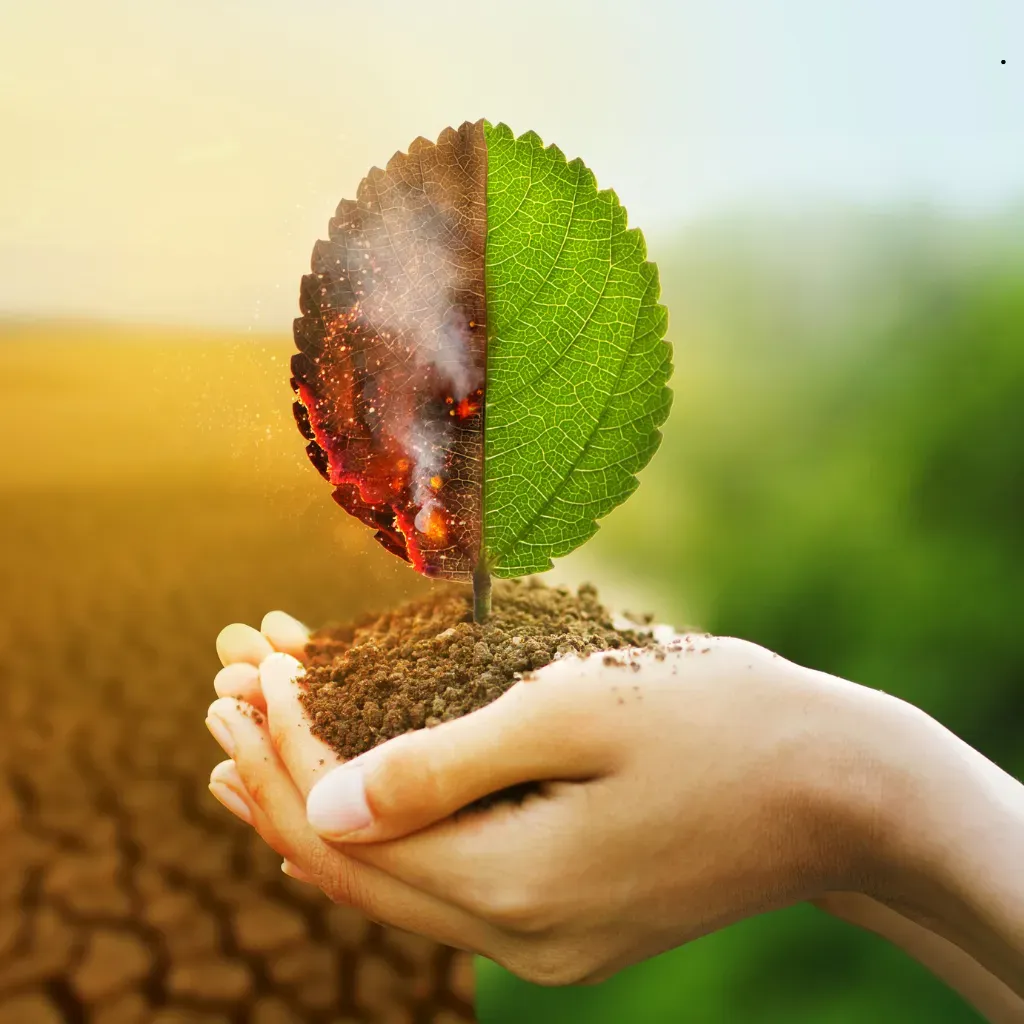
The ICTQual AB Level 2 International Diploma in Climate Change and Sustainability Studies is a foundational qualification developed to introduce learners to key concepts in climate science, environmental sustainability, and sustainable resource management. In response to accelerating global environmental challenges, this programme establishes essential knowledge of how climate change affects ecosystems, industries, and societies, while highlighting the importance of sustainable practices across all sectors.
This diploma covers fundamental areas such as climate change science, greenhouse gas emissions, environmental pollution, renewable energy awareness, waste minimization, and the principles of sustainable development. Learners also gain insight into global environmental policies, sustainability frameworks, and practical approaches to reducing environmental impact in everyday operations.
On completion, learners will be equipped for entry-level opportunities in environmental awareness roles, sustainability support functions, community-based environmental initiatives, and resource management activities. This internationally recognized qualification also provides a clear pathway to advanced study in climate change, environmental management, and sustainability disciplines.
Course Overview
Awarding Body
ICTQual AB
credits
30
Study Mode
Online
Assessment
Assignment Based
Study Units
- Introduction to Climate Change
- Sustainable Resource and Environmental Management
- Climate Risk Assessment and Policy Compliance

Entry Requirements
- Entry Requirements
- Minimum Age: Learners must be 18 years or above.
- Educational Background: A Level 1 qualification or equivalent is recommended. Learners from any academic background can apply.
- Language Proficiency: Basic English skills are required to understand course materials and environmental terminology.
- Work Experience: No prior experience is required, although interest in environmental science or sustainability is an advantage.
Who Can Enroll
This course is ideal for individuals who want to understand climate change and build foundational knowledge in sustainability and environmental protection.
- Students interested in climate change and environmental science careers
- Entry-level sustainability and environmental support staff
- NGO and community environmental project workers
- Industrial, construction, and office workers seeking sustainability awareness
- Local authority and public sector employees
- Individuals planning to progress into advanced environmental qualifications
- Anyone passionate about climate action and sustainability practices
Course Learning Outcomes
Introduction to Climate Change
- Understand the scientific principles behind climate change and global warming
- Recognise the environmental, social, and economic impacts of climate change
- Identify key contributors to greenhouse gas emissions and environmental degradation
- Develop awareness of international climate agreements and policy frameworks
- Apply foundational knowledge to support sustainability initiatives and mitigation strategies
Sustainable Resource and Environmental Management
- Understand principles of sustainable resource use and environmental stewardship
- Develop practical knowledge of conservation practices and eco-friendly technologies
- Apply strategies for efficient resource management in various industries
- Assess environmental impacts and implement sustainability initiatives effectively
- Support organisational efforts in promoting sustainability and reducing ecological footprints
Climate Risk Assessment and Policy Compliance
- Conduct basic assessments of climate-related risks and vulnerabilities
- Identify potential environmental hazards and develop mitigation strategies
- Understand regulatory frameworks and ensure compliance with environmental policies
- Develop skills in monitoring, reporting, and documenting climate risk and sustainability performance
- Contribute to creating safe, compliant, and environmentally responsible operational practices