OSHAA 30-Hours Health and Safety – Fire Safety Training and Planning
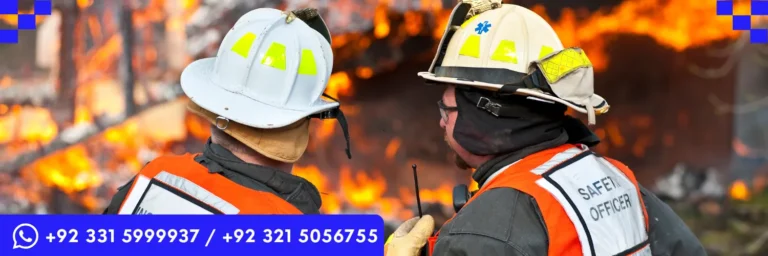
The OSHAA 30-Hours Health and Safety – Fire Safety Training and Planning is a specialized occupational safety qualification designed to equip professionals with essential knowledge and practical skills to prevent, control, and respond effectively to fire-related hazards in the workplace. Fire safety is a critical component of occupational health and safety management across industries such as construction, manufacturing, healthcare, hospitality, and facilities management, where fire risks can pose serious threats to life, property, and business continuity.
This comprehensive diploma covers fire risk assessment, fire prevention strategies, emergency evacuation planning, fire detection systems, fire extinguishing equipment, and workplace safety regulations. Learners will develop a strong understanding of ignition sources, fire behavior, hazard identification, and safe evacuation procedures. The course also emphasizes legal compliance, fire safety documentation, and the development of structured fire safety management plans aligned with workplace safety standards.
Designed for safety officers, supervisors, facility managers, construction workers, and operational staff, this qualification enhances fire risk awareness and emergency preparedness. Upon completion, learners will be able to conduct fire risk assessments, implement effective fire safety controls, support emergency response planning, and contribute to creating safer, compliant, and well-prepared workplaces across all sectors.
Course Overview
Awarding Body
OSHAA
Duration
30-Hours
Study Mode
Online
Assessment
Assessment Based
Study Units
- Introduction to Fire Safety and Prevention
- Fire Hazards and Risk Assessment
- Emergency Response and Evacuation Procedures
- Fire Safety Equipment and Personal Protective Equipment (PPE)
- Developing Fire Safety Plans and Policies
- Legal and Regulatory Requirements for Fire Safety
- Fire Drills, Training, and Continuous Improvement

Entry Requirements
- Minimum Age: Learners must be 18 years or above.
- Educational Background: Basic secondary education is recommended; no advanced qualifications are required.
- Language Proficiency: A basic understanding of English is required to follow safety instructions and training content.
- Work Experience: No prior fire safety experience is required, although exposure to workplace safety, construction, or facility operations is beneficial.
Who Can Enroll
OSHAA 30-Hours Health and Safety – Fire Safety is designed for individuals responsible for workplace safety, emergency preparedness, and fire risk management.
- Health and Safety Officers and Safety Supervisors
- Facility and Property Managers
- Construction site workers and supervisors
- Fire wardens and emergency response staff
- Maintenance and operations personnel
- Industrial and manufacturing workers
- Hospitality, healthcare, and public service staff
- Individuals seeking careers in health and safety or emergency planning
Course Learning Outcomes
Introduction to Fire Safety and Prevention
- Understand the basic principles of fire science, including ignition sources and fire behavior
- Gain foundational knowledge of workplace fire safety aligned with OSHA standards
- Learn the importance of integrating fire prevention strategies into daily operations
- Develop awareness of how fire safety contributes to employee well-being and organizational resilience
- Build the skills to proactively identify and prevent fire hazards
Fire Hazards and Risk Assessment
- Identify and evaluate potential fire hazards across diverse workplace environments
- Conduct detailed fire risk assessments using internationally recognized methodologies
- Apply risk control measures to eliminate or minimize hazards before incidents occur
- Learn how to document and report hazards to support organizational compliance
- Develop the ability to prioritize risks and implement preventative strategies
Emergency Response and Evacuation Procedures
- Acquire skills to develop and implement structured emergency response protocols
- Understand the importance of evacuation planning, including routes, assembly points, and personnel accountability
- Learn how to assign responsibilities during fire emergencies for effective coordination
- Gain the ability to conduct post-incident evaluations to strengthen future preparedness
- Ensure effective communication and decision-making during emergencies
Fire Safety Equipment and Personal Protective Equipment (PPE)
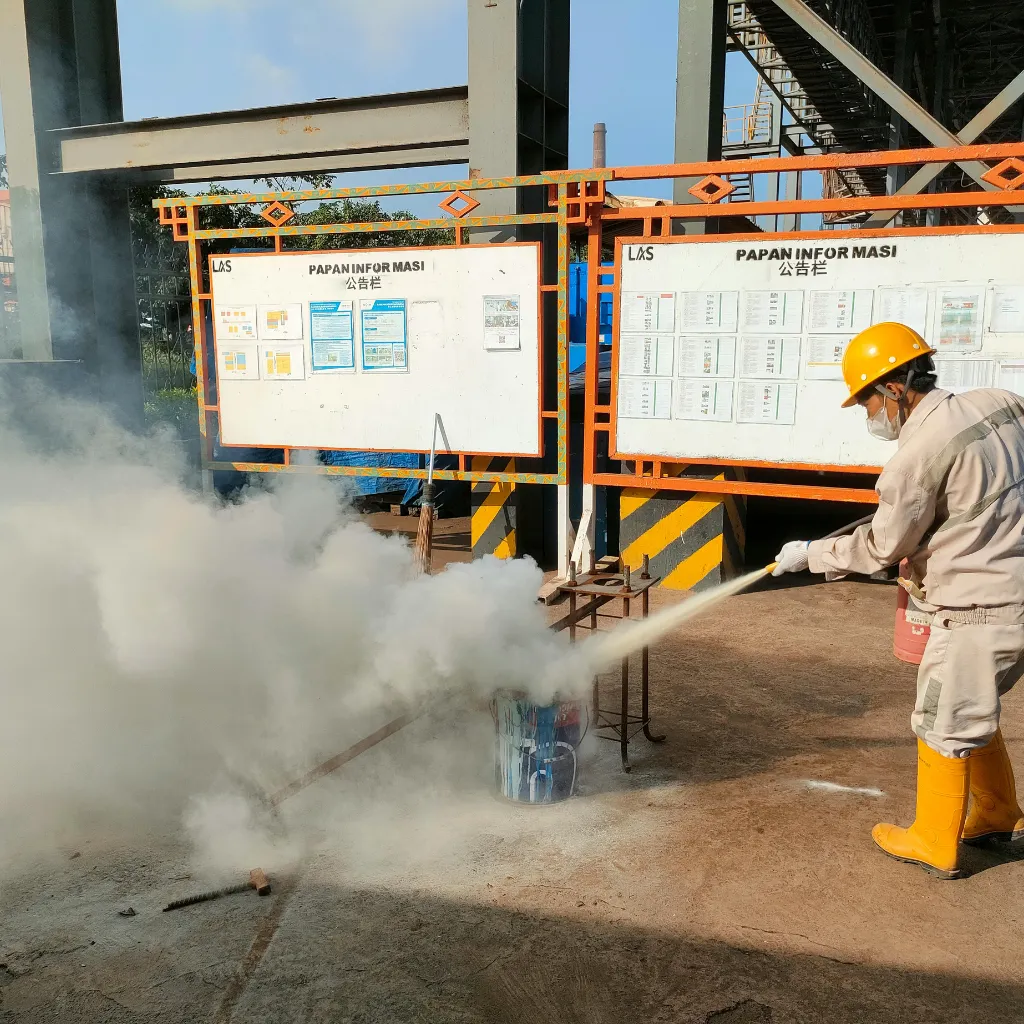
- Understand the functions and limitations of fire safety equipment, including extinguishers, alarms, and sprinklers
- Learn proper inspection, maintenance, and usage techniques for fire protection equipment
- Gain hands-on knowledge of PPE selection and its role in protecting workers during fire emergencies
- Acquire the ability to train others in the correct use of fire safety tools and gear
- Promote a culture of safety through proper equipment usage and awareness
Developing Fire Safety Plans and Policies
- Learn to design and implement comprehensive fire safety plans tailored to organizational needs
- Align fire safety policies with OSHA regulations and international best practices
- Develop strategies for communicating fire safety protocols across all levels of the organization
- Understand how to review and update fire safety plans to reflect emerging risks and evolving standards
- Ensure organizational readiness through proactive planning and policy development
Legal and Regulatory Requirements for Fire Safety
- Gain in-depth knowledge of OSHA fire safety regulations and global compliance standards
- Understand the legal obligations of employers and employees in maintaining workplace fire safety
- Learn how compliance protects organizations from legal liabilities and financial penalties
- Acquire the ability to integrate regulatory requirements into daily safety operations
- Develop the knowledge to enforce standards and maintain continuous compliance
Fire Drills, Training, and Continuous Improvement
- Develop the skills to plan, conduct, and evaluate fire drills effectively
- Learn how to train employees to respond confidently and correctly during emergencies
- Foster a culture of continuous improvement by incorporating feedback from drills and incidents
- Gain the ability to measure organizational progress and enhance fire safety performance over time
- Build long-term resilience through regular training, evaluation, and process improvements