LICQual Level 4 Award in NRASTC / ATPRA Trainer Assessor
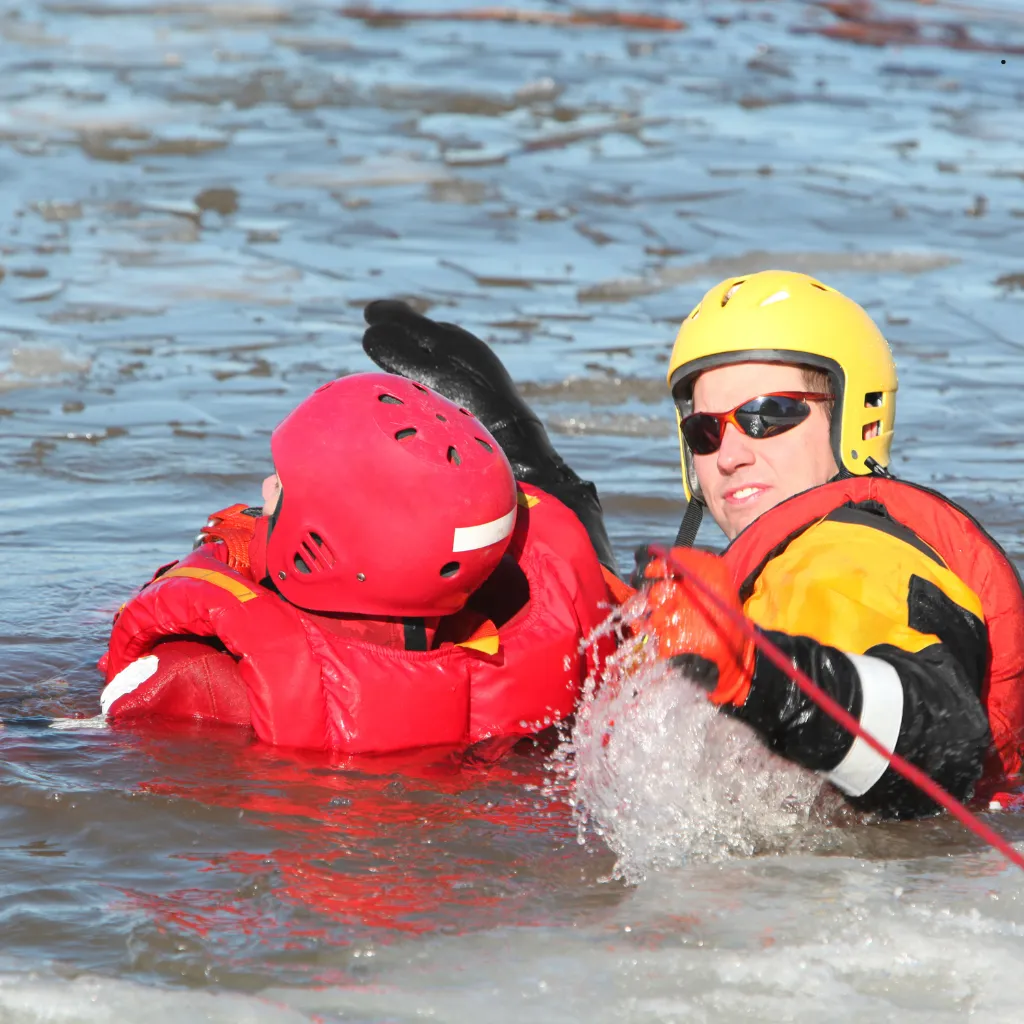
The LICQual Level 4 Award in NRASTC / ATPRA Trainer Assessor is a professionally recognized qualification designed for individuals seeking to develop advanced skills in training delivery, competency assessment, and workforce development. This course equips learners with the knowledge and practical expertise required to effectively train, assess, and evaluate personnel in accordance with NRASTC (National Rigging and Access Training Standards Committee) and ATPRA (Accredited Training Provider Recognition Authority) standards.
Through a structured curriculum, participants will gain a comprehensive understanding of adult learning principles, training methodologies, assessment planning, evidence collection, performance evaluation, and quality assurance processes. The qualification emphasizes practical application, enabling learners to conduct fair and consistent assessments, develop training programs, and maintain industry best practices.
This internationally relevant qualification is ideal for trainers, assessors, supervisors, safety professionals, and technical specialists responsible for workforce competency management. Successful completion of the LICQual Level 4 Award in NRASTC / ATPRA Trainer Assessor can enhance career prospects in training, assessment, auditing, compliance, and occupational safety roles.
Course Overview
Awarding Body
LICQual
Credits
12
Study Mode
Online
Assessment
Assessment Based
Study Units
- Introduction to NRASTC / ATPRA Trainer Assessor Role
- Lifesaving, Rescue, and Emergency Response Techniques
- Risk Assessment and Safety Management in Aquatic Environments
- Training Delivery and Assessment Methods
- Communication and Learner Support
- Quality Assurance and Continuous Professional Development (CPD)

Entry Requirements
- Minimum Age: Learners must be 18 years of age or above.
- Educational Background: A basic secondary education or equivalent is recommended.
- Language Proficiency: A good understanding of English is required to follow course materials and complete assessments.
- Work Experience: No prior trainer or assessor experience is required; however, experience in technical, safety, supervisory, or training-related roles is beneficial..
Who Can Enroll
This qualification is designed for professionals who want to develop their training and assessment capabilities and support workforce competency in technical and safety-critical industries.
- Trainers and aspiring trainers
- Workplace assessors and evaluators
- Supervisors and team leaders
- Health and safety professionals
- Technical and vocational instructors
- Compliance and quality assurance personnel
- Workforce development coordinators
- Individuals seeking a career in training and assessment
Course Learning Outcomes
Introduction to NRASTC / ATPRA Trainer Assessor Role
- Explain the scope, responsibilities, and ethical requirements of the NRASTC/ATPRA Trainer Assessor role.
- Interpret relevant national and international standards, regulations, and guidelines for aquatic safety training.
- Demonstrate an understanding of the certification, revalidation, and compliance processes.
- Apply professional conduct, safeguarding, and duty-of-care principles in aquatic training environments.
Lifesaving, Rescue, and Emergency Response Techniques
- Demonstrate advanced lifesaving and rescue skills in aquatic environments.
- Apply correct use of rescue equipment and personal protective devices during simulated and real incidents.
- Perform cardiopulmonary resuscitation (CPR) and first aid in line with international lifesaving protocols.
- Execute safe and effective casualty recovery, evacuation, and handover procedures to emergency services.
Risk Assessment and Safety Management in Aquatic Environments
- Identify potential hazards in swimming pools and open water environments.
- Conduct structured risk assessments using recognised safety frameworks.
- Develop and implement operational safety procedures to minimise risks.
- Evaluate the effectiveness of safety management systems and recommend improvements.
Training Delivery and Assessment Methods
- Plan, structure, and deliver engaging aquatic safety training sessions.
- Apply a variety of instructional techniques to meet diverse learner needs.
- Assess learner competence using valid, reliable, and fair assessment tools.
- Provide constructive feedback that promotes learner improvement and confidence.
Communication and Learner Support
- Apply effective verbal and non-verbal communication techniques in training contexts.
- Adapt communication styles to suit different learning needs, abilities, and cultural backgrounds.
- Provide guidance, support, and encouragement to promote learner engagement.
- Handle challenging learner situations professionally and inclusively.
Quality Assurance and Continuous Professional Development (CPD)
- Apply internal and external quality assurance processes in training and assessment.
- Maintain accurate training and assessment records in compliance with awarding body requirements.
- Reflect on personal performance and identify areas for professional growth.
- Develop and implement a CPD plan to maintain currency and competence in aquatic training.