ICTQual AB Level 2 International Diploma in LNG (Liquefied Natural Gas) Technology
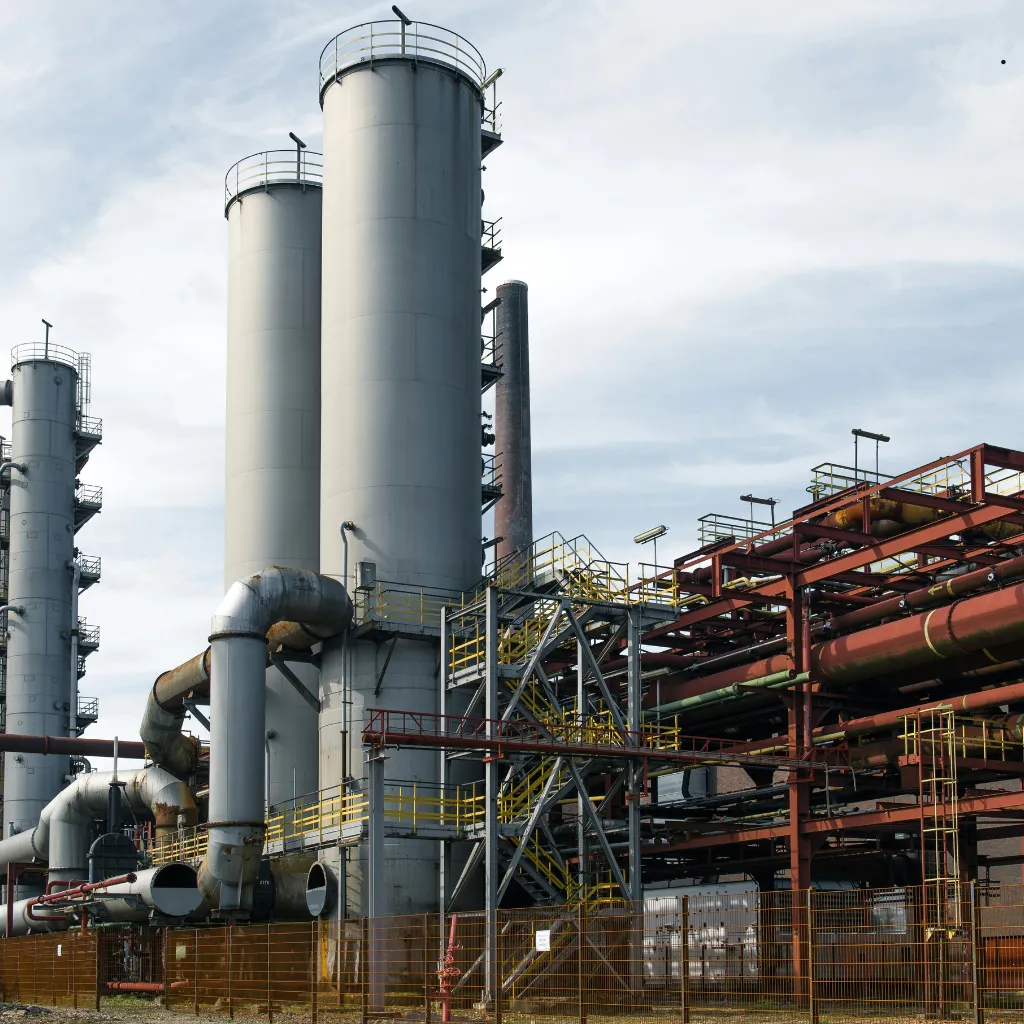
The ICTQual AB Level 2 International Diploma in LNG (Liquefied Natural Gas) Technology offers learners a strong entry point into the dynamic world of LNG operations and energy technology. This program is carefully designed to provide essential knowledge of LNG production, storage, and distribution, while emphasizing international safety standards and sustainable practices. By blending technical foundations with practical applications, the diploma ensures participants are well-prepared to meet the demands of the global energy sector.
Learners will gain insights into the complete LNG value chain, including liquefaction processes, cryogenic systems, and advanced transportation methods. The curriculum highlights operational efficiency, environmental responsibility, and compliance with global regulations, giving graduates the ability to address real-world challenges in energy management. With a balance of theoretical learning and applied skills, the course builds professional competence that is highly valued across oil, gas, and energy industries.
Graduates of this internationally recognized diploma can pursue diverse career paths such as LNG plant operations, safety management, quality assurance, and technical consultancy. It also provides a foundation for progression into advanced certifications and specialized energy programs. The ICTQual AB Level 2 International Diploma in LNG Technology empowers learners to achieve career growth while contributing to the future of sustainable energy solutions.
Course Overview
Awarding Body
ICTQual AB
credits
30
Study Mode
Online
Assessment
Assignment Based
Study Units
- Introduction to LNG Technology
- Process Technology and Equipment in LNG Operations
- Health, Safety, and Environmental Practices in LNG

Entry Requirements
- Minimum Age: Learners must be 18 years or above.
- Educational Background: A basic secondary education or equivalent qualification is recommended.
- Language Proficiency: Good command of English is required to understand technical terminology, training materials, and assessments.
- Work Experience: No formal experience in energy management or sustainability is required; however, exposure to industrial, facilities, engineering, or environmental roles is an advantage.
Who Can Enroll
This diploma is ideal for learners aiming to build expertise in LNG operations and energy technology.
- Perfect for learners seeking skills in LNG operations and energy technology.
- Designed for those aiming for global recognition and career growth in oil and gas.
- Students and fresh graduates entering the energy sector.
- Industrial or engineering staff wanting LNG expertise.
- Safety and compliance professionals in energy operations.
- Career switchers from QA/QC, facilities, or environmental fields.
Course Learning Outcomes
Introduction to LNG Technology
- Understand the fundamental principles of liquefied natural gas and its role in the global energy sector.
- Identify key stages of LNG production, liquefaction, storage, and transportation.
- Recognise the various components and systems involved in LNG facilities.
- Demonstrate awareness of international standards and industry practices related to LNG operations.
- Apply introductory knowledge to support operational tasks in LNG plants and facilities.
Process Technology and Equipment in LNG Operations
- Identify major LNG process units and understand their specific functions.
- Demonstrate knowledge of equipment operation, maintenance, and safety procedures.
- Understand process flow and basic principles of refrigeration and liquefaction technologies.
- Analyse operational data to support process optimisation and efficiency improvements.
- Apply technical knowledge to practical scenarios in LNG operational settings.
Health, Safety, and Environmental Practices in LNG
- Understand key health, safety, and environmental regulations in LNG operations.
- Identify potential hazards and implement effective risk management strategies.
- Demonstrate knowledge of emergency response procedures and safety protocols.
- Apply environmental management principles to minimise operational impact.
- Promote a culture of safety, compliance, and sustainability within LNG facilities.