OSHAA 30-Hours Professional Diploma in Immune System
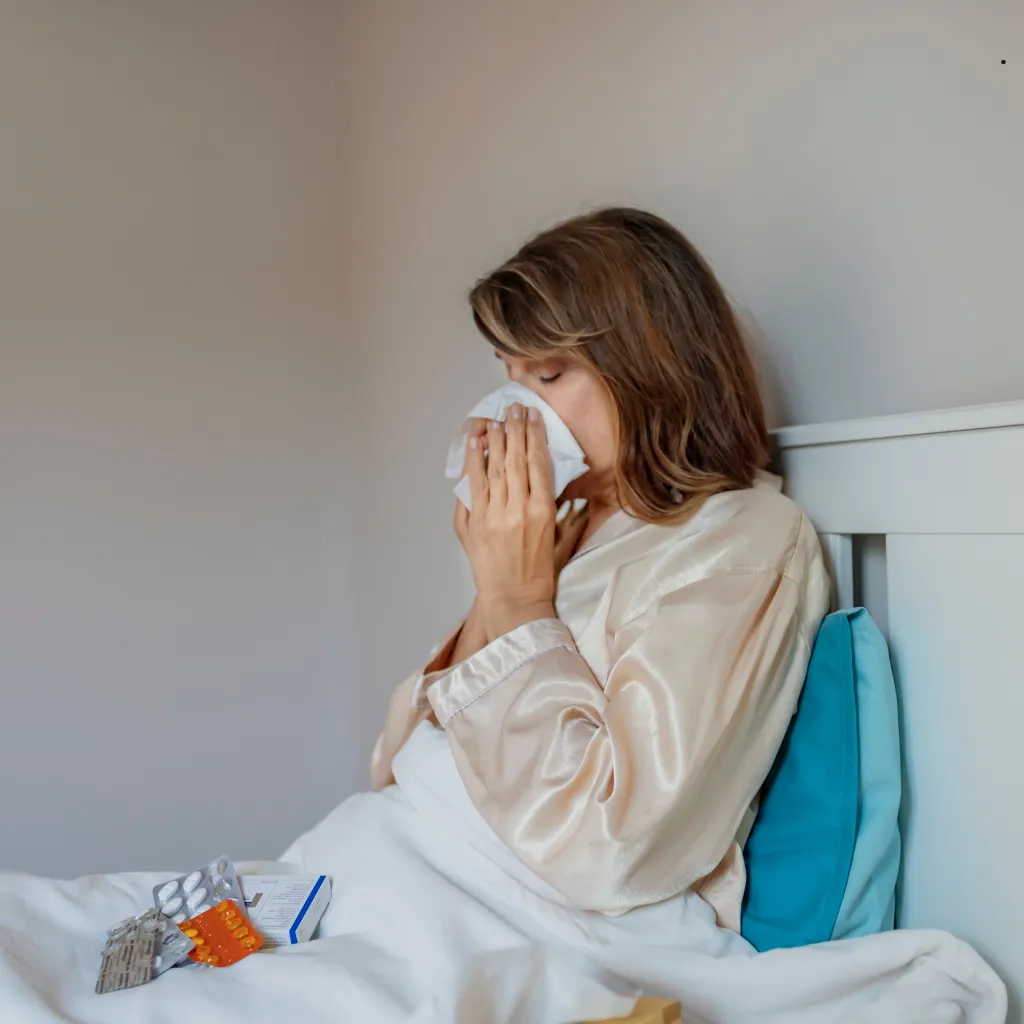
The OSHAA 30-Hours Professional Diploma in Immune System is a specialized professional qualification designed to provide comprehensive knowledge of the human immune system, its functions, and its critical role in maintaining health and disease prevention. As global awareness of public health, infection control, and workplace wellness continues to grow, understanding immune system mechanisms has become increasingly valuable across healthcare, occupational safety, and wellness sectors.
The diploma covers key topics including immune system structure and function, innate and adaptive immunity, immune responses to infections, autoimmune disorders, immunodeficiency conditions, vaccination principles, and immune health promotion strategies. Learners will develop an understanding of how the immune system protects the body, how immune-related disorders occur, and how preventive measures contribute to overall health and safety.
The OSHAA 30-Hours Professional Diploma in Immune System is ideal for healthcare workers, occupational safety professionals, wellness practitioners, educators, and individuals interested in health sciences. Successful completion enhances professional competence in health promotion, infection prevention, and workplace wellbeing initiatives. It also supports organizations by improving health awareness, reducing illness-related disruptions, strengthening workplace safety programs, and promoting healthier and more resilient workforces.
Course Overview
Awarding Body
OSHAA
Duration
30-Hours
Study Mode
Online
Assessment
Assessment Based
Study Units
- Introduction to Immunology and Immune System Functions (3 Hours)
- Anatomy and Components of the Immune System (3 Hours)
- Innate Immunity and First Line of Defense (3 Hours)
- Adaptive Immunity: T Cells, B Cells, and Antibodies (4 Hours)
- Nutrition and Its Role in Immune Health (3 Hours)
- Immune System Disorders: Autoimmunity, Allergies, and Immunodeficiency (4 Hours)
- Vaccines and Immunisation Strategies (2 Hours)
- Stress, Sleep, and Their Effects on Immune Function (3 Hours)
- Physical Activity and Immune System Regulation (2 Hours)
- Promoting Immune Resilience through Lifestyle and Environment (3 Hours)

Entry Requirements
- Minimum Age: Learners must be 18 years or above.
- Educational Background: A basic secondary education or equivalent qualification is recommended.
- Language Proficiency: A good understanding of English is required to follow course materials, discussions, and assessments.
- Work Experience: No previous experience in immunology, healthcare, or occupational health is necessary; however, or workplace safety roles may be beneficial.
Who Can Enroll
This qualification is ideal for individuals seeking to enhance their understanding of immune system health, disease prevention, and workplace wellbeing.
- Healthcare assistants and support workers
- Occupational health and safety professionals
- Wellness and health promotion practitioners
- Public health and community health workers
- Educators and trainers in health-related fields
- Caregivers and healthcare support staff
- Students pursuing healthcare or life science careers
Course Learning Outcomes
Introduction to Immunology and Immune System Functions (3 Hours)
- Understand the foundational principles of immunology
- Identify the primary roles and responsibilities of the immune system
- Recognise the importance of immune health in overall well-being
Anatomy and Components of the Immune System (3 Hours)
- Describe the organs, cells, and tissues involved in immune function
- Understand the role of lymphoid organs such as the thymus, spleen, and lymph nodes
- Distinguish between different immune cells and their specific roles
Innate Immunity and First Line of Defense (3 Hours)
- Define innate immunity and its characteristics
- Identify physical, chemical, and cellular barriers to infection
- Understand the role of inflammation and phagocytosis in immune defense
Adaptive Immunity: T Cells, B Cells, and Antibodies (4 Hours)
- Explain the adaptive immune response and its specificity
- Differentiate between T cells and B cells and their immune functions
- Understand the process of antibody production and immune memory
Nutrition and Its Role in Immune Health (3 Hours)
- Identify key nutrients essential for optimal immune function
- Understand the impact of dietary deficiencies on immune response
- Explore dietary strategies to support and strengthen immunity
Immune System Disorders: Autoimmunity, Allergies, and Immunodeficiency (4 Hours)
- Define and differentiate between common immune disorders
- Understand the causes and symptoms of autoimmune conditions and allergies
- Recognise the implications of immunodeficiency on health
Vaccines and Immunisation Strategies (2 Hours)
- Understand how vaccines work to support the immune system
- Explore different types of vaccines and their mechanisms
- Review the importance of immunisation in disease prevention
Stress, Sleep, and Their Effects on Immune Function (3 Hours)
- Examine the relationship between psychological stress and immune suppression
- Understand the role of sleep in immune regulation and repair
- Identify strategies to manage stress and promote restful sleep for immune support
Physical Activity and Immune System Regulation (2 Hours)
- Explore the benefits of moderate exercise on immune function
- Understand the effects of overtraining and inactivity on immune health
- Develop appropriate activity routines to support immunity
Promoting Immune Resilience through Lifestyle and Environment (3 Hours)
- Apply practical strategies to build long-term immune resilience
- Identify key lifestyle factors that influence immune strength
- Understand the impact of environmental toxins and pollutants