ICTQual AB Level 2 International Diploma in Oil and Gas Engineering
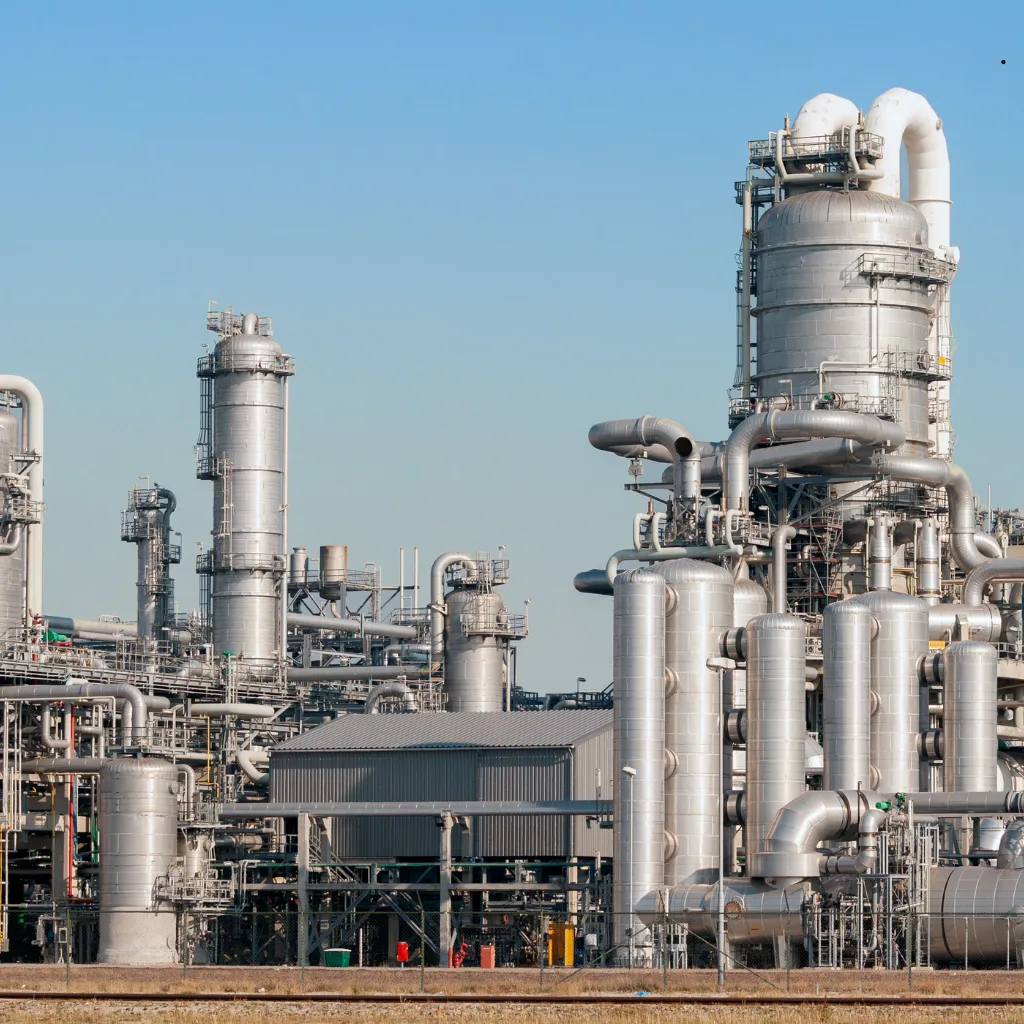
The global oil and gas industry operates at the core of modern energy supply chains, requiring highly skilled professionals who understand both upstream and downstream engineering processes. The ICTQual AB Level 2 International Diploma in Oil and Gas Engineering is designed to introduce learners to the fundamental engineering principles that support exploration, production, refining, and energy distribution systems. This qualification provides a strong technical foundation for those aiming to enter one of the world’s most critical and high-value industries.
The programme covers essential areas such as petroleum engineering basics, drilling operations awareness, reservoir fundamentals, process engineering concepts, equipment handling, and health and safety practices in oil and gas environments. Learners develop practical understanding of how engineering systems are designed, operated, and maintained within complex energy infrastructures.
By completing this diploma, learners enhance their technical competence and employability within the global energy sector. The qualification supports career progression into entry-level engineering support roles, field technician positions, and operational assistance roles across oil and gas companies. As the industry continues to evolve with advanced technologies, digital oilfield systems, and sustainability-driven practices, this programme equips learners with the essential knowledge required to build a successful long-term career in oil and gas engineering.
Course Overview
Awarding Body
ICTQual AB
credits
30
Study Mode
Online
Assessment
Assignment Based
Study Units
- Oil and Gas Industry Fundamentals and Engineering Principles
- Drilling Operations, Production, and Process Management
- Health, Safety, Environment, and Risk Management in Oil and Gas

Entry Requirements
- Minimum Age: Learners must be 18 years or above.
- Educational Background: Secondary education or equivalent qualification is recommended, preferably with science, mathematics, or technical subjects.
- Language Proficiency: Good understanding of English is required for technical learning and safety communication.
- Work Experience: Prior experience in engineering, mechanical, industrial, or oil and gas environments is beneficial but not mandatory.
Who Can Enroll
This qualification is designed for individuals aiming to start or build a career in the oil and gas engineering and energy sector.
- Aspiring oil and gas engineers and technicians
- Petroleum, mechanical, and energy engineering students
- Entry-level oilfield and refinery workers
- Offshore and onshore operational support staff
- Industrial maintenance and technical personnel
- Health, safety, and engineering assistants entering the energy industry
Course Learning Outcomes
Oil and Gas Industry Fundamentals and Engineering Principles
- Understand the structure, operations, and key processes of the global oil and gas industry.
- Explain basic engineering principles relevant to petroleum extraction and processing.
- Recognise the roles of stakeholders, engineers, and project teams within oil and gas operations.
- Analyse industry trends, technological innovations, and market factors affecting oil and gas projects.
- Apply fundamental technical knowledge to support operational and project-based activities.
Drilling Operations, Production, and Process Management
- Demonstrate knowledge of drilling techniques and production processes in oil and gas extraction.
- Plan and monitor production workflows to ensure efficiency and quality.
- Apply process management principles to optimise operations and minimise delays.
- Understand equipment usage, maintenance requirements, and operational standards.
- Evaluate project outcomes and implement measures for continuous improvement.
Health, Safety, Environment, and Risk Management in Oil and Gas
- Identify, assess, and mitigate risks associated with oil and gas operations.
- Apply health and safety regulations and industry best practices on-site and in operations.
- Implement environmental protection measures to reduce operational impact.
- Develop contingency plans to manage emergencies and operational hazards.
- Monitor compliance and report on safety, environmental, and risk management performance.