OSHA 510 – Occupational Safety and Health Standards for the Construction Industry
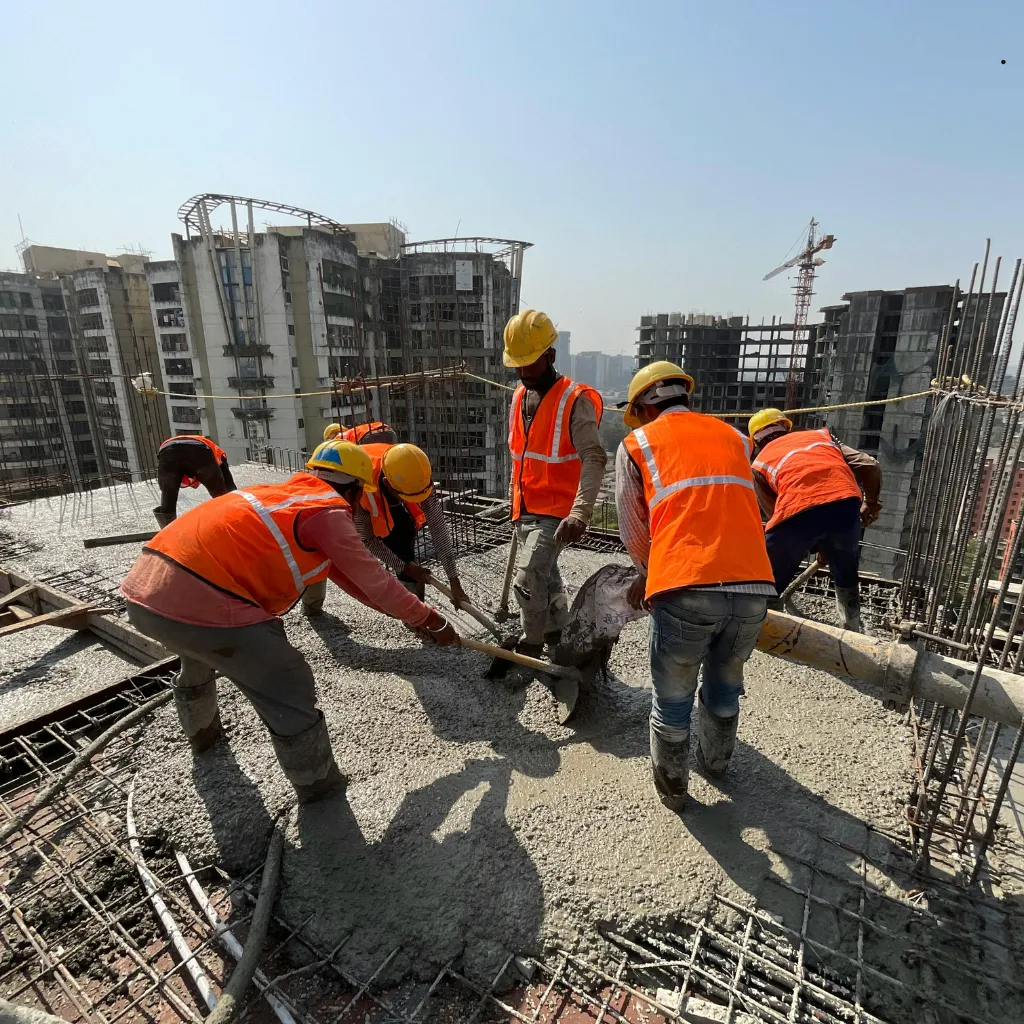
The OSHA 510 – Occupational Safety and Health Standards for the Construction Industry is a specialized training program designed to build strong foundational knowledge of construction safety regulations and workplace hazard prevention. This course focuses on equipping learners with a comprehensive understanding of OSHA standards, ensuring safer construction environments and improved compliance with international safety requirements. It is ideal for professionals seeking to strengthen their expertise in occupational safety within the construction sector.
Participants will explore key areas such as hazard identification, accident prevention strategies, construction site inspections, and regulatory compliance procedures. The course emphasizes practical interpretation of OSHA standards and their application in real-world construction scenarios. Learners will also gain insight into risk management techniques, safety documentation, and proactive measures to reduce workplace incidents and ensure operational safety.
By completing this qualification, learners enhance their ability to contribute effectively to construction safety management systems and improve workplace safety culture. It supports career advancement in safety supervision, site management, and health and safety consultancy roles. This certification is highly valuable for individuals aiming to build or progress a professional career in construction safety and compliance.
Course Overview
Awarding Body
OSHA
credits
510
Study Mode
Online
Assessment
Assignment Based
Study Units
- Introduction to OSHA and Construction Safety Regulations
- OSHA Construction Standards (29 CFR 1926) Overview
- Construction Focus Four Hazards (Falls, Struck-by, Caught-in/between, Electrical)
- Fall Protection Systems and Requirements
- Scaffolding, Ladders, and Elevated Work Safety
- Excavation, Trenching, and Confined Spaces
- Personal Protective Equipment (PPE) and Health Hazards
- Cranes, Hoists, Rigging, and Heavy Equipment Safety
- Materials Handling, Tools, and Machinery Safety
- Fire Protection, Emergency Response, and Safety Signage
- Safety and Health Programs, Hazard Recognition, and Incident Investigation
- OSHA Inspections, Recordkeeping, and Compliance Practices

Entry Requirements
- Minimum Age: 18 years or above
- Educational Background: Secondary education or equivalent recommended
- Language Proficiency: Basic English reading and understanding required
- Work Experience: Prior experience in construction or safety-related roles is preferred but not mandatory
Who Can Enroll
Occupational Safety and Health ideal for individuals aiming to build or advance their career in construction safety and compliance roles.
- Construction site supervisors and managers
- Health and safety officers in construction environments
- Safety inspectors and compliance personnel
- Engineers and project managers in construction industry
- Workers seeking advancement into safety roles
- Anyone interested in OSHA standards and construction safety practices
Course Learning Outcomes
Introduction to OSHA and Construction Safety Regulations
- Gain a clear understanding of OSHA’s mission, structure, and enforcement responsibilities.
- Learn key construction safety regulations and federal compliance requirements.
OSHA Construction Standards (29 CFR 1926) Overview
- Master the essential OSHA construction standards.
- Apply these regulations effectively to real-world construction projects.
Construction Focus Four Hazards (Falls, Struck-by, Caught-in/between, Electrical)
- Identify and prevent the top four construction hazards.
- Implement practical strategies to reduce accidents and injuries on-site.
Fall Protection Systems and Requirements
- Learn proper fall protection systems and compliance criteria.
- Apply techniques to prevent fall-related incidents in construction work.
Scaffolding, Ladders, and Elevated Work Safety
- Ensure safe use of scaffolds, ladders, and elevated work platforms.
- Recognize hazards and implement best safety practices.
Excavation, Trenching, and Confined Spaces
- Understand soil classifications, shoring, and protective systems.
- Apply safe practices for excavation, trenching, and confined space operations.
Personal Protective Equipment (PPE) and Health Hazards
- Identify essential PPE for various construction tasks.
- Recognize health hazards and enforce preventive measures.
Cranes, Hoists, Rigging, and Heavy Equipment Safety
- Learn safe operation and inspection of cranes, hoists, and rigging.
- Apply OSHA standards to prevent equipment-related accidents.
Materials Handling, Tools, and Machinery Safety
- Implement safe techniques for handling materials.
- Operate tools and machinery following OSHA guidelines.
Fire Protection, Emergency Response, and Safety Signage
- Develop fire safety plans and emergency response procedures.
- Understand proper safety signage and workplace communication.
Safety and Health Programs, Hazard Recognition, and Incident Investigation
- Design and implement effective workplace safety programs.
- Conduct hazard recognition and investigate incidents to prevent recurrence.
OSHA Inspections, Recordkeeping, and Compliance Practice
- Prepare for OSHA inspections and maintain accurate safety records.
- Apply compliance practices and recordkeeping standards effectively.