QualCert Level 3 Award in Emergency Response Drone Pilot
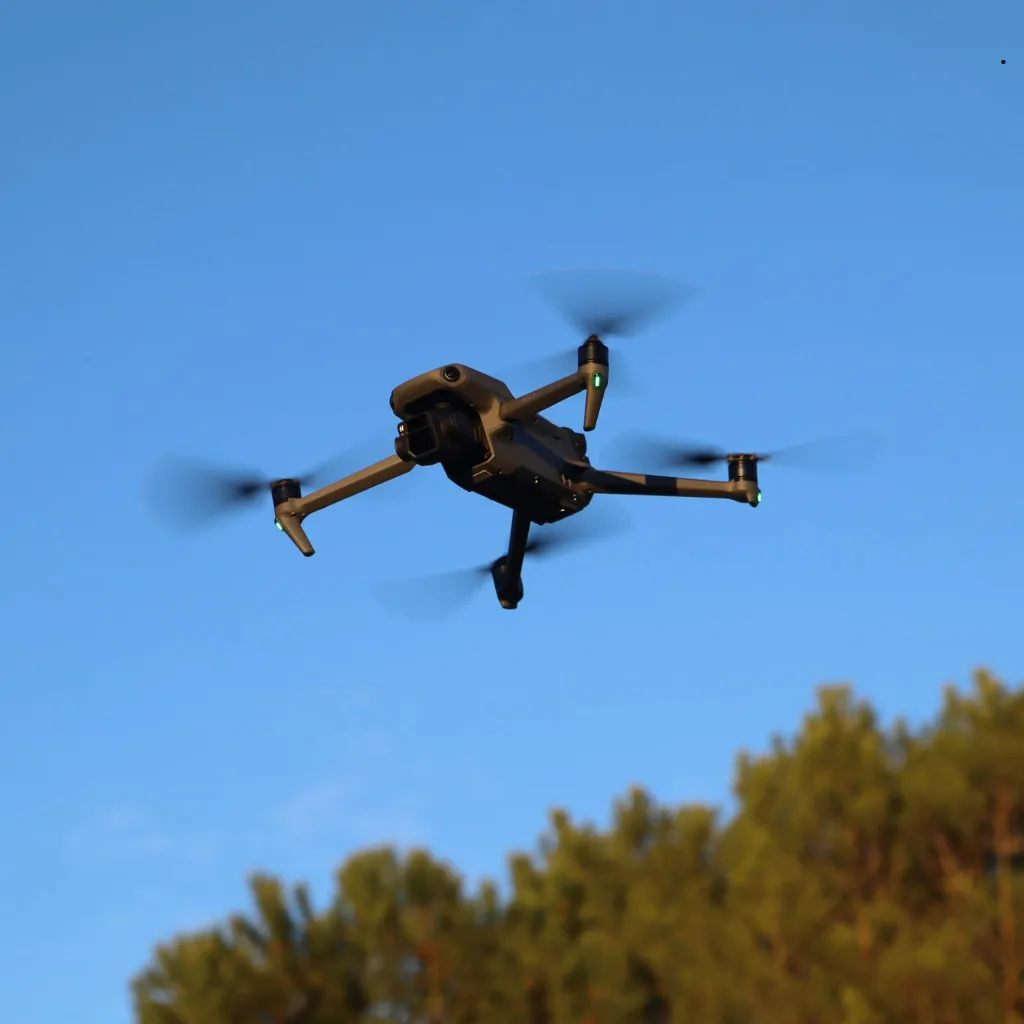
The QualCert Level 3 Award in Emergency Response Drone Pilot is a specialised qualification designed to prepare learners for professional drone operations in critical and emergency situations. As unmanned aerial systems become an essential tool in disaster management, rescue missions, and rapid situational assessment, this course equips participants with the technical and operational knowledge required to operate drones safely and effectively in high-pressure environments. It introduces core principles of flight control, emergency navigation, and mission planning for public safety applications.
This programme focuses on advanced drone piloting techniques combined with emergency response procedures, including aerial surveillance, hazard identification, and real-time data collection. Learners develop an understanding of aviation safety regulations, risk assessment, and operational compliance when using drones in sensitive environments. The training also highlights coordination with emergency services, ensuring that drone pilots can contribute effectively to search and rescue operations, disaster relief, and incident monitoring scenarios.
Completing the QualCert Level 3 Award in Emergency Response Drone Pilot enhances career opportunities in emergency services, security operations, surveying, and humanitarian support organisations. The qualification is highly relevant for individuals seeking to work in fast-growing drone technology sectors. It demonstrates professional capability in aerial emergency operations, making learners valuable assets in both public safety and private sector drone applications.
Course Overview
Awarding Body
QualCert
Credits
6 Credits
Study Mode
Online
Assessment
Assessment Based
Study Units
- Introduction to Emergency Response Drone Operations
- Drone Flight Principles and Controls
- Risk Assessment and Safety in Emergency Drone Use
- Communication and Coordination in Emergency Situations
- Data Capture, Analysis and Reporting
- Legal and Ethical Responsibilities for Drone Pilots

Entry Requirements
- Minimum Age: Applicants must be at least 18 years old
- Educational Background: Minimum secondary school education or equivalent qualification
- Language Proficiency: Good understanding of English for training and assessments
- Professional Experience: No prior drone experience required, but related technical background is an advantage
Who Can Enroll
Level 3 Award in Emergency Response Drone Pilot is designed for individuals who want to build or advance their career in drone operations for emergency and public safety applications.
- Aspiring drone pilots and UAV operators
- Emergency response and rescue personnel
- Security and surveillance professionals
- Surveying, mapping, and inspection technicians
- Aviation and technology enthusiasts seeking drone careers
Course Learning Outcomes
Introduction to Emergency Response Drone Operations
- Understand the role and applications of drones in emergency response situations.
- Recognise the key operational objectives when deploying drones in emergencies.
- Identify different types of emergency scenarios where drone support is valuable.
- Familiarise with the basic components and capabilities of emergency response drones.
Drone Flight Principles and Controls
- Demonstrate knowledge of fundamental drone flight mechanics and controls.
- Understand navigation techniques and flight planning specific to emergency environments.
- Apply practical piloting skills to operate drones safely and effectively.
- Manage drone performance and troubleshoot common operational issues.
Risk Assessment and Safety in Emergency Drone Use
- Identify potential risks and hazards associated with drone operations in emergency settings.
- Conduct thorough risk assessments prior to drone deployment.
- Implement safety measures to mitigate identified risks.
- Comply with health and safety regulations relevant to emergency drone use.
Communication and Coordination in Emergency Situations
- Demonstrate effective communication skills with emergency teams and stakeholders.
- Understand the importance of teamwork and coordination during drone operations.
- Use appropriate communication tools and protocols in emergency contexts.
- Support integrated response efforts through clear information sharing.
Data Capture, Analysis and Reporting
- Operate drones to capture high-quality aerial data relevant to emergencies.
- Analyse collected data to support decision-making processes.
- Produce accurate and clear reports based on drone data findings.
- Understand the role of data in enhancing emergency response outcomes.
Legal and Ethical Responsibilities for Drone Pilots
- Understand the legal frameworks governing drone use in emergency scenarios.
- Comply with data protection and privacy regulations.
- Recognise the ethical considerations involved in drone operations.
- Maintain professional conduct and accountability as a drone pilot.