QualCert Level 3 Award in Open Water Emergency Rescue
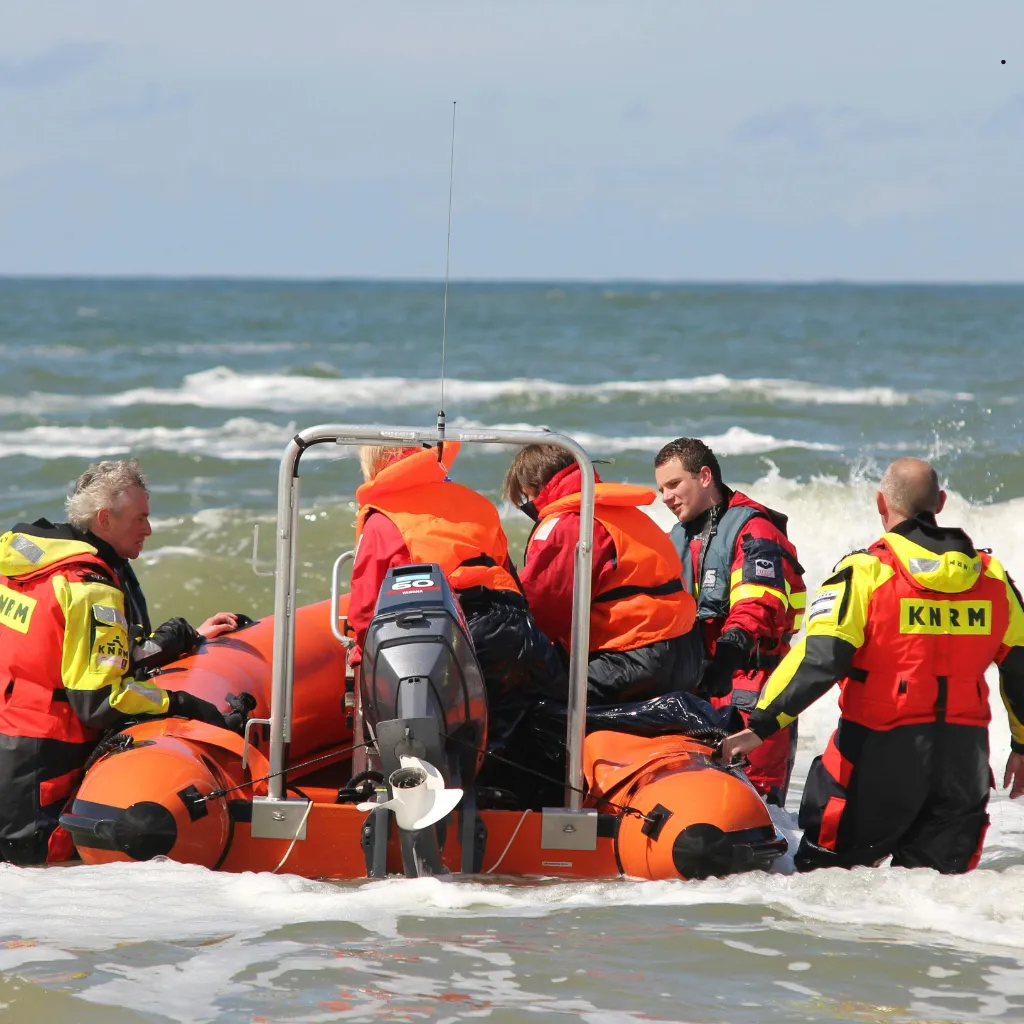
The QualCert Level 3 Award in Open Water Emergency Rescue is a specialized professional qualification designed to develop essential skills for managing emergency situations in open water environments. This course provides learners with the knowledge and practical understanding required to respond effectively to aquatic emergencies, support rescue operations, and improve safety awareness in challenging water conditions. It is designed for individuals who require advanced rescue capabilities for professional or operational responsibilities.
Throughout the programme, learners explore key areas including open water hazard identification, emergency response procedures, rescue techniques, casualty management, risk assessment, and safety planning. The qualification focuses on developing the ability to assess situations quickly, apply appropriate rescue methods, and support effective emergency management while maintaining personal and team safety. Participants gain valuable knowledge aligned with professional aquatic safety practices.
The QualCert Level 3 Award in Open Water Emergency Rescue is suitable for lifeguards, rescue personnel, outdoor activity professionals, water sports staff, emergency response teams, and individuals seeking specialist water rescue skills. By completing this qualification, learners enhance their confidence, improve employability, and strengthen their ability to contribute to safer aquatic environments. This course supports career development in lifeguarding, marine safety, recreational services, and emergency response sectors.
Course Overview
Awarding Body
QualCert
Credits
6 Credits
Study Mode
Online
Assessment
Assessment Based
Study Units
- Introduction to Open Water Safety and Rescue Principles
- Risk Assessment and Hazard Recognition in Open Water Environments
- Rescue Techniques for Open Water Emergencies
- Casualty Care and Incident Management in Remote Settings
- Use of Rescue Equipment in Open Water Conditions
- Legal, Ethical and Professional Responsibilities in Open Water Rescue

Entry Requirements
- Minimum Age: Applicants must be at least 18 years old.
- Educational Background: A Level 3 qualification or equivalent is recommended; safety, aquatic, or emergency response backgrounds are beneficial.
- Language Proficiency: Good English language skills are recommended for understanding safety procedures and course materials.
- Professional Experience: Previous experience in swimming, water safety, or rescue activities is beneficial but not mandatory.
Who Can Enroll
Level 3 Award in Open Water Emergency Rescue qualification is suitable for individuals developing open water rescue and emergency response skills.
- Lifeguards seeking to improve open water rescue skills.
- Rescue personnel involved in aquatic emergency response.
- Water sports staff and instructors working in aquatic environments.
- Outdoor activity professionals managing water-based activities.
- Safety professionals responsible for emergency preparedness.
- Individuals interested in careers in aquatic safety and rescue.
Course Learning Outcomes
Introduction to Open Water Safety and Rescue Principles
- Understand the unique hazards of open water environments, such as currents and variable weather
- Recognise fundamental rescue principles and roles for responders in open water settings
- Appreciate differences between controlled pool rescues and open water operations
Risk Assessment and Hazard Recognition in Open Water Environments
- Identify common and hidden hazards specific to open water (e.g. submerged objects, tides, sudden depth changes)
- Conduct dynamic risk assessments that adapt to changing environmental conditions
- Use hazard awareness to inform safe rescue planning and decision‑making
Rescue Techniques for Open Water Emergencies
- Demonstrate safe and appropriate rescue entries and approaches based on environment and victim condition
- Apply both contact and non-contact rescue strategies effectively in open water
- Adapt rescue methods to account for environmental factors like waves, currents, and poor visibility
Casualty Care and Incident Management in Remote Settings
- Provide immediate and appropriate care to casualties in remote open water environments
- Use structured incident management plans to coordinate assistance and escalation
- Communicate effectively with additional support services while maintaining casualty safety
Use of Rescue Equipment in Open Water Conditions
- Select and deploy suitable rescue tools (e.g. throwlines, flotation devices, small craft) for open water conditions
- Use rescue equipment efficiently whilst ensuring personal and casualty safety
- Understand equipment limitations and hazards associated with its use in unpredictable water conditions
Legal, Ethical and Professional Responsibilities in Open Water Rescue
- Understand the duty of care and legal obligations governing open water rescue operations
- Uphold ethical standards when engaging with casualties and working under pressure
- Maintain professional conduct, ensuring compliance with organisational policies and best practices