QualCert Level 3 Award in Water Rescue Equipment Training (WRET)
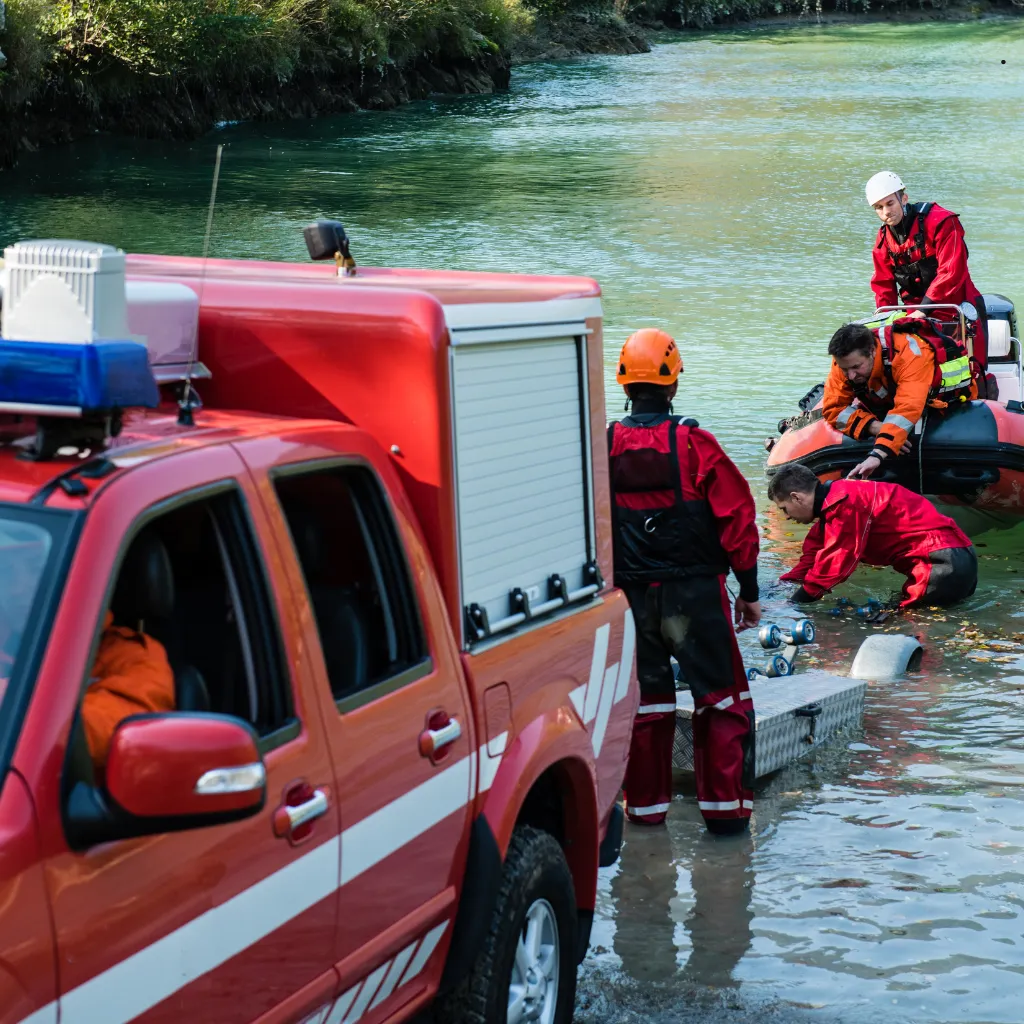
The QualCert Level 3 Award in Water Rescue Equipment Training (WRET) is a specialized qualification designed for individuals who need the knowledge and practical skills to use water rescue equipment safely and effectively during emergency response operations. Water-related incidents present unique challenges that demand rapid decision-making, technical competence, and the correct selection of rescue equipment. This course provides structured training that enables participants to respond confidently while minimizing risks to both rescuers and casualties in rivers, lakes, coastal environments, flood zones, and other inland water settings.
Throughout the programme, learners develop an in-depth understanding of water rescue principles, equipment inspection, maintenance procedures, operational planning, hazard identification, casualty management, and safe rescue techniques. The curriculum emphasizes the correct use of throw bags, rescue ropes, personal protective equipment, flotation devices, and other essential rescue tools while promoting compliance with recognized safety practices. Participants also strengthen their ability to assess dynamic water environments, communicate effectively during rescue operations, and contribute to coordinated emergency response teams.
Achieving the QualCert Level 3 Award in Water Rescue Equipment Training (WRET) demonstrates professional competence in water rescue equipment operations and enhances credibility across emergency services, search and rescue organizations, civil protection agencies, event safety teams, and industrial workplaces. The qualification supports career development while helping organizations improve emergency preparedness, operational resilience, and the safe management of water-related incidents through internationally aligned rescue training practices.
Course Overview
Awarding Body
QualCert
Credits
6 Credits
Study Mode
Online
Assessment
Assessment Based
Study Units
- Introduction to Water Rescue Equipment
- safe Handling and Deployment of Rescue Equipment
- Techniques for Using Throwlines and Rescue Poles
- Use of Buoyancy Aids and Rescue Tubes
- Equipment Maintenance and Safety Checks
- Emergency Response Procedures Using Rescue Equipment

Entry Requirements
- Minimum Age: 18 years or above.
- Educational Background: High school qualification or equivalent is recommended.
- Language Proficiency: Basic written and spoken English.
- Work Experience: No prior experience is required; emergency response or safety experience is beneficial.
Who Can Enroll
This qualification is ideal for professionals responsible for water safety, rescue operations, and emergency response.
- Water Rescue Personnel
- Fire and Rescue Service Personnel
- Search and Rescue Team Members
- Emergency Response Professionals
- Flood Rescue and Civil Protection Teams
- Coastguard and Marine Safety Personnel
- Health and Safety Officers
- Security and Event Safety Personnel
- Outdoor Activity and Adventure Instructors
Course Learning Outcomes
Introduction to Water Rescue Equipment
- Understand the types and purposes of common water rescue equipment
- Recognise the role of rescue equipment in water safety and emergency response
- Identify appropriate equipment for different aquatic rescue scenarios
Safe Handling and Deployment of Rescue Equipment
- Demonstrate safe techniques for handling various rescue tools
- Deploy rescue equipment effectively in simulated water rescue situations
- Apply safety precautions to protect both rescuer and casualty during equipment use
Techniques for Using Throwlines and Rescue Poles
- Master accurate throwing and retrieval techniques with throwlines
- Use rescue poles to reach and assist casualties safely
- Assess appropriate situations for using throwlines and rescue poles
Use of Buoyancy Aids and Rescue Tubes
- Operate buoyancy aids and rescue tubes correctly in water rescue scenarios
- Support casualties using buoyancy aids to maintain flotation
- Understand limitations and safe usage guidelines of buoyancy equipment
Equipment Maintenance and Safety Checks
- Conduct routine inspections to ensure rescue equipment is in safe working order
- Identify and report faults or damage in equipment promptly
- Perform basic maintenance tasks to extend the service life of rescue gear
Emergency Response Procedures Using Rescue Equipment
- Implement effective rescue plans using appropriate equipment in emergencies
- Coordinate rescue efforts with team members during aquatic incidents
- Follow organisational protocols and safety guidelines during emergency responses