ProQual Level 2 Diploma in Healthcare and Social Care Support Skills
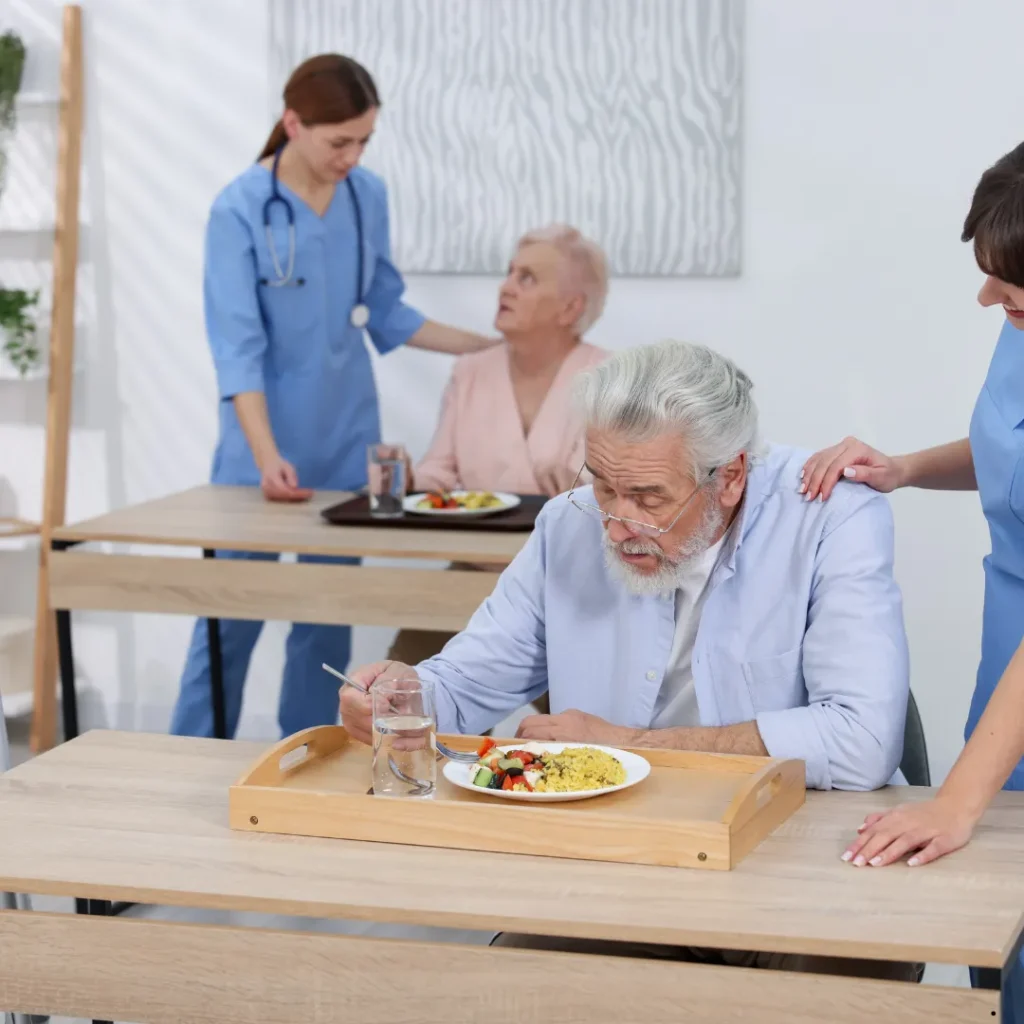
The ProQual Level 2 Diploma in Healthcare and Social Care Support Skills is designed to provide learners with the essential knowledge and practical skills required to support individuals in healthcare and social care settings. It focuses on developing competence in assisting with daily living activities, promoting dignity and independence, and ensuring that care is delivered safely and effectively. Learners gain a strong foundation in communication, safeguarding, and person-centred approaches, preparing them to contribute meaningfully to the wellbeing of service users.
This qualification is assessed through workplace evidence, meaning learners demonstrate their skills in real care environments. Evidence may include observation records, reflective accounts, and examples of care plans or support activities. By emphasizing practical competence rather than traditional exams, the diploma ensures that learners are recognized for their ability to apply knowledge directly to the workplace, making them valuable members of healthcare and social care teams.
The diploma is particularly suitable for individuals working as care assistants, support workers, or healthcare aides who want to formalize their skills and progress in their careers. It provides a structured pathway for those already engaged in frontline care roles to gain recognition for the knowledge and abilities they apply daily. By achieving this qualification, learners demonstrate that they can meet nationally recognized standards of competence, which strengthens their credibility with employers and enhances their employability.At Level 2, the diploma validates occupational competence, confirming that learners can deliver safe, effective, and compassionate care in line with professional expectations.
Course Overview
Awarding Body
ProQual
Credits
12 credits
Study Mood
Online
Assessment
Assignments Based
Course Study Units
| Sr# | Unit Title | Credit Value | GLH |
|---|---|---|---|
| 1 | Implement person centred approaches in health and social care | 5 | 33 |
| 2 | Principles of safeguarding and protection in health and social care | 3 | 26 |
| 3 | Assist in the administration of medication | 4 | 25 |
| 4 | Carry out personal hygiene for individuals unable to care for themselves | 3 | 23 |
| 5 | Support individuals with speech and language disorders to develop their communication skills | 4 | 28 |
| 6 | Perform the non-scrubbed circulating role for perioperative procedures | 3 | 23 |
| 7 | Minimise the risk of infection when transporting and storing healthcare waste | 3 | 20 |
| 8 | Assist in the issuing of prescribed items | 3 | 15 |
| 9 | Assist in the manufacture and assembly of medicinal products | 7 | 20 |
| 10 | Assist in the preparation of documentation, materials and other items for manufacture and assembly of medicinal products | 10 | 40 |
| 11 | Support individuals to carry out their own health care procedures | 2 | 15 |
| 12 | Provide support for therapy sessions | 2 | 14 |
| 13 | Contribute to the discharge of individuals to carers | 2 | 14 |
| 14 | Paediatric Emergency First Aid | 1 | 10 |
| 15 | Introduction to communication in health, social care or children’s and young people’s settings | 3 | 23 |
| 16 | Support individuals to meet personal care needs | 2 | 16 |
| 17 | Contribute to the safe use of medical devices in the perioperative environment | 4 | 29 |
| 18 | Causes and Spread of Infection | 2 | 20 |
| 19 | Prepare documentation, materials, components and other items for the preparation of aseptic products | 6 | 10 |
| 20 | Introduction to duty of care in health, social care or children’s and young people’s settings | 1 | 9 |
| 21 | Provide support for mobility | 2 | 14 |
| 22 | Assist others to plan presentations | 2 | 16 |
| 23 | Order Routine Pharmaceutical Stock | 3 | 11 |
| 24 | Dementia Awareness | 2 | 17 |
| 25 | Move and position individuals in accordance with their plan of care | 4 | 26 |
| 26 | Support individuals to manage continence | 3 | 19 |
| 27 | Handle information in health and social care settings | 1 | 10 |
| 28 | The role of the health and social care worker | 2 | 14 |
| 29 | Obtain and test specimens from individuals | 2 | 12 |
| 30 | Prepare individuals for healthcare activities | 3 | 17 |
| 31 | Assist in planning and evaluating learning activities | 3 | 22 |
| 32 | Assist the practitioner to carry out health care activities | 2 | 13 |
| 33 | Minimise the risk of infection during the removal of used linen | 2 | 15 |
| 34 | Inform an individual of discharge arrangements | 2 | 13 |
| 35 | Understand the context of supporting individuals with learning disabilities | 4 | 35 |
| 36 | Select and wear appropriate personal protective equipment for work in health care settings | 2 | 15 |
| 37 | Monitor and maintain the environment and resources during and after clinical / therapeutic activities | 3 | 20 |
| 38 | Prepare and dress for scrubbed clinical roles | 4 | 28 |
| 39 | Care for individuals with naso-gastric tubes | 3 | 20 |
| 40 | The principles of Infection Prevention and Contro | 3 | 30 |
| 41 | Assist with the provision of a pharmacy service to meet individuals’ needs | 3 | 10 |
| 42 | Contribute to the effectiveness of teams | 3 | 5 |
| 43 | Introduction to personal development in health, social care or children’s and young people’s settings | 3 | 23 |
| 44 | Support individuals who are distressed | 3 | 21 |
| 45 | Support individuals undergoing healthcare activities | 3 | 22 |
| 46 | Prepare equipment for intraoperative cell salvage blood processing | 4 | 26 |
| 47 | Assist in receiving, handling and dispatching clinical specimens | 2 | 17 |
| 48 | Assist in the sale of medicines and products | 8 | 50 |
| 49 | Receive Pharmaceutical Stock | 3 | 9 |
| 50 | Prepare aseptic products | 10 | 40 |
| 51 | Prepare and apply dressings and drains to individuals in the perioperative environment | 2 | 18 |
| 52 | Planning and Monitoring Work | 2 | 8 |
| 53 | Cleaning, Decontamination and Waste Management | 2 | 20 |
| 54 | Ensure your own Actions Reduce risks to Health and Safety | 2 | 8 |
| 55 | Introduction to equality and inclusion in health, social care or children’s and young people’s settings | 2 | 20 |
| 56 | Provide agreed support for foot care | 3 | 23 |
| 57 | Contribute to health and safety in health and social care | 4 | 33 |
| 58 | Support independence in the tasks of daily living | 5 | 33 |
| 59 | Prepare equipment for intraoperative cell salvage blood collection | 2 | 17 |
| 60 | Maintaining quality standards in the health sector | 1 | 8 |
| 61 | Emergency First Aid Skills | 1 | 10 |
| 62 | Assemble prescribed items | 3 | 15 |
| 63 | Support participation in learning and development activities | 3 | 23 |
| 64 | Provide support for sleep | 2 | 13 |
| 65 | Remove wound closure materials | 3 | 24 |
| 66 | Support individuals to eat and drink | 2 | 15 |
| 67 | Undertake agreed pressure area care | 4 | 30 |
| 68 | Meet food safety requirements when providing food and drink for individuals | 2 | 15 |
| 69 | Understand loss and grief in end of life care | 3 | 22 |
| 70 | Understand how to work in end of life care | 3 | 28 |
Level 3 Units
| Sr# | Unit Title | Credit Value | GLH |
|---|---|---|---|
| 1 | Work with babies and young children to promote their development and learning | 6 | 45 |
| 2 | Engage in personal development in health, social care or children’s and young people’s settings | 3 | 10 |
| 3 | Support individuals with multiple conditions and/or disabilities | 4 | 31 |
| 4 | Support individuals who are bereaved | 4 | 30 |
| 5 | Prepare for and carry out extended feeding techniques | 4 | 27 |
| 6 | Provide support to continue recommended therapies | 3 | 20 |
| 7 | Insert and secure nasogastric tubes | 4 | 30 |
| 8 | Develop positive relationships with children and young people | 4 | 30 |
| 9 | Provide advice and information to enable parents to promote the health and well-being of their newborn babies | 3 | 22 |
| 10 | Facilitate and monitor housing and accommodation services to support individuals with mental health needs | 5 | 32 |
| 11 | Collaborate in the assessment of environmental and social support in the community | 4 | 23 |
| 12 | Influencing Others at Work | 1 | 6 |
| 13 | Care for the physical and nutritional needs of babies and young children | 6 | 45 |
| 14 | Support families who have a child with a disability | 3 | 23 |
| 15 | Support individuals to manage their finances | 3 | 20 |
| 16 | Obtain venous blood samples | 3 | 24 |
| 17 | Implement therapeutic group activities | 4 | 25 |
| 18 | Collate and communicate health information to individuals | 3 | 20 |
| 19 | Provide information and advice to individuals on eating to maintain optimum nutritional status | 5 | 38 |
| 20 | Assist in the implementation of programmes to increase mobility, movement and functional independence | 4 | 28 |
| 21 | Receive and handle clinical specimens within the sterile field | 4 | 30 |
| 22 | Prepare anaesthetic environment and provide support for pre and post-operative anaesthesia and recovery | 5 | 38 |
| 23 | Make recommendations for the use of physical resources in a health setting | 5 | 33 |
| 24 | Maintaining quality standards in the health sector | 2 | 13 |
| 25 | Understand Models of Disability | 3 | 26 |
| 26 | Support individuals to access and use services and facilities | 4 | 25 |
| 27 | Promote and implement health and safety in health and social care | 6 | 43 |
| 28 | Support young people with a disability to make the transition into adulthood | 5 | 40 |
| 29 | Understand mental well-being and mental health promotion | 3 | 14 |
| 30 | Carry out vision screening | 4 | 27 |
| 31 | Assist professionals to support individuals from diverse linguistic and cultural backgrounds to access speech and language therapy services | 5 | 35 |
| 32 | Implement hydrotherapy programmes for individuals and groups | 5 | 35 |
| 33 | Deliver exercise sessions to improve individuals’ health and wellbeing | 5 | 32 |
| 34 | Provide support to the surgical team when preparing individuals for operative and invasive procedures | 4 | 32 |
| 35 | Facilitate person centred assessment, planning, implementation and review | 6 | 45 |
| 36 | Work in partnership with families to support individuals | 4 | 27 |
| 37 | Support individuals to develop and run support groups | 3 | 24 |
| 38 | Monitor own work practice in health, social care or children’s and young people’s settings | 3 | 20 |
| 39 | Perform first line calibration on clinical equipment to ensure it is fit for use | 3 | 20 |
| 40 | Monitor and review individuals progress in relation to maintaining optimum nutritional status | 3 | 26 |
| 41 | Give presentations to groups | 4 | 26 |
| 42 | Support individuals in undertaking their chosen activities | 4 | 24 |
| 43 | Control the use of physical resources in a health setting | 3 | 25 |
| 44 | Support children and young people experiencing transitions | 3 | 28 |
| 45 | Promote communication in health, social care or children’s and young people’s settings | 3 | 10 |
| 46 | Contribute to the prevention of aggressive and abusive behaviour of people | 4 | 26 |
| 47 | Service improvement in the health sector | 3 | 20 |
| 48 | Understand the process and experience of dementia | 3 | 22 |
| 49 | Understand Physical Disability | 3 | 22 |
| 50 | Support individuals with a learning disability to access healthcare | 3 | 25 |
| 51 | Undertake urethral catheterisation processes | 4 | 28 |
| 52 | Promote good practice in handling information in health and social care settings | 2 | 16 |
| 53 | Understand mental health problems | 3 | 14 |
| 54 | Perform routine Electrocardiograph ECG Procedures | 4 | 30 |
| 55 | Undertake treatments and dressings of lesions and wounds | 4 | 25 |
| 56 | Adapt and fit healthcare equipment, medical devices, assistive technology, or products, to meet individuals’ needs | 6 | 37 |
| 57 | Administer oral nutritional products to individuals | 5 | 35 |
| 58 | Promote effective communication with individuals with sensory loss | 4 | 30 |
| 59 | Work with other professionals and agencies to support individuals with physical disability | 3 | 23 |
| 60 | Support individuals to access housing and accommodation services | 4 | 24 |
| 61 | Identify information requirements in a health context | 4 | 30 |
| 62 | Prepare and reproduce permanent radiographic images | 4 | 23 |
| 63 | Develop and prepare speech and language therapy resources for alternative and augmentative communication AAC use | 4 | 25 |
| 64 | Carry out wound drainage care | 4 | 32 |
| 65 | Prepare and provide surgical instrumentation and supplementary items for the surgical team | 6 | 43 |
| 66 | Care for a newly born baby when the mother is unable to do so | 4 | 32 |
| 67 | Understand Child and Young Person Development | 4 | 30 |
| 68 | Provide support to maintain and develop skills for everyday life | 4 | 28 |
| 69 | Facilitate learning and development activities to meet individual needs and preferences | 5 | 35 |
| 70 | Enable individuals with behavioural difficulties to develop strategies to change their behaviour | 8 | 41 |
| 71 | Reprocess endoscopy equipment | 4 | 30 |
| 72 | Support individuals with cognition and learning difficulties | 5 | 34 |
| 73 | Assist in testing individuals’ abilities prior to planning physical activities | 5 | 38 |
| 74 | Support individuals to manage dysphagia | 5 | 35 |
| 75 | Provide advice on foot care for individuals with diabetes | 3 | 23 |
| 76 | Transport, transfer and position individuals and equipment within the perioperative environment | 5 | 32 |
| 77 | Understand Sensory Loss | 3 | 21 |
| 78 | Support families who are affected by Acquired Brain Injury | 3 | 30 |
| 79 | Support individuals during a period of change | 4 | 29 |
| 80 | Perform intravenous cannulation | 4 | 34 |
| 81 | Care for individuals with urethral catheters | 4 | 30 |
| 82 | Conduct routine maintenance on clinical equipment | 4 | 30 |
| 83 | Assist and support individuals to use alternative and augmentative communication systems _AAC | 5 | 35 |
| 84 | Measure and record individuals’ body fluid balance in a perioperative environment | 4 | 23 |
| 85 | Support parents/carers to interact with and care for their newborn baby | 4 | 30 |
| 86 | Deliver training through demonstration and instruction | 3 | 21 |
| 87 | Principles for implementing duty of care in health, social care or children’s and young people’s settings | 1 | 5 |
| 88 | Promote Child and Young Person Development | 3 | 25 |
| 89 | Develop and sustain effective working relationships with staff in other agencies | 4 | 24 |
| 90 | Undertake physiological measurements | 3 | 23 |
| 91 | Undertake stoma care | 4 | 30 |
| 92 | Assure the effective functioning of radiographic image processing equipment | 4 | 25 |
| 93 | Operate equipment for intraoperative cell salvage blood collection | 5 | 40 |
| 94 | Advise and inform individuals on managing their condition | 5 | 31 |
| 95 | Assist others to monitor individuals’ progress in managing dysphagia | 5 | 38 |
| 96 | Support carers to meet the care needs of individuals | 5 | 30 |
| 97 | Maintain pharmaceutical stock | 3 | 4 |
| 98 | Anatomy and Physiology for Maternity Support Workers | 2 | 20 |
| 99 | Receive prescriptions from individuals | 3 | 15 |
| 100 | Understand how to support individuals with autistic spectrum conditions | 3 | 28 |
| 101 | Support Individuals with Specific Communication Needs | 5 | 35 |
| 102 | Obtain and test capillary blood samples | 4 | 30 |
| 103 | Support individuals at the end of life | 7 | 53 |
| 104 | Contribute to effective multidisciplinary team working | 3 | 20 |
| 105 | Analyse and present health related data and information | 4 | 30 |
| 106 | Remove wound drains | 4 | 27 |
| 107 | Develop activities and materials to enable individuals to reach specific communication goals | 5 | 38 |
| 108 | Operate equipment for intraoperative cell salvage blood processing and complete intraoperative cell salvage blood process | 5 | 39 |
| 109 | Support parents/carers and those in a parental role to care for babies during their first year | 5 | 36 |
| 110 | Obtain a client history | 3 | 22 |
| 111 | Manage the availability of physical resources to meet service delivery needs in a health setting | 5 | 33 |
| 112 | Administer medication to individuals, and monitor the effects | 5 | 30 |
| 113 | Assist in the Issuing of Pharmaceutical Stock | 4 | 5 |
| 114 | Undertake an in-process accuracy check of assembled prescribed items prior to the final accuracy check | 4 | 11 |
| 115 | Promote equality and inclusion in health, social care or children’s and young people’s settings | 2 | 8 |
| 116 | Understand the impact of Acquired Brain Injury on individuals | 3 | 28 |
| 117 | Support individuals to live at home | 4 | 25 |
| 118 | Promote person centred approaches in health and social care | 6 | 41 |
| 119 | Undertake tissue viability risk assessments | 3 | 26 |
| 120 | Interact with and support individuals using telecommunications | 5 | 36 |
| 121 | Manufacture equipment or medical devices for individuals within healthcare | 4 | 30 |
| 122 | Provide support for individuals with communication and interaction difficulties | 5 | 39 |
| 123 | Monitor individuals’ progress in relation to managing their body weight and nutrition | 3 | 26 |
| 124 | Assist in implementing treatment programmes for individuals with severely reduced movement/mobility | 5 | 29 |
| 125 | Assist in the delivery of perioperative care and support to individuals | 4 | 31 |
Level 4 Units
| Sr# | Unit Title | Credit Value | GLH |
|---|---|---|---|
| 1 | Support disabled children and young people and those with specific requirements | 6 | 45 |
| 2 | Enable children and young people to understand their health and well-being | 5 | 38 |
| 3 | Develop and agree individualised care plans for babies and families | 5 | 38 |

Entry Requirements
Who Can Enroll
This qualification is designed for individuals who want to build a career in healthcare and social care support.
- Care assistants working in residential or nursing homes.
- Support workers assisting individuals with daily living needs.
- Healthcare aides supporting nurses and medical staff.
- Community care workers providing home-based support.
- New entrants to the care sector seeking foundational skills.
- Volunteers or part-time workers wanting formal recognition of their abilities.
Course Learning Outcomes
Implement Person-Centred Approaches in Health and Social Care
- Understand person-centred approaches for care and support
- Be able to work in a person-centred way
- Be able to establish consent when providing care or support
- Be able to encourage active participation
- Be able to support the individual’s right to make choices
- Be able to promote individuals’ well-being
Principles of Safeguarding and Protection in Health and Social Care
- Know how to recognise signs of abuse
- Know how to respond to suspected or alleged abuse
- Understand the national and local context of safeguarding and protection from abuse
- Understand ways to reduce the likelihood of abuse
- Know how to recognise and report unsafe practices
Assist in the Administration of Medication
- Know the current legislation, guidelines and policies relevant to the administration of medication
- Understand own role in assisting in the administration of medication
- Understand the requirements and procedures for assisting in the administration of medication
- Understand the requirements and procedures for ensuring patient safety
- Be able to prepare for the administration of medication
- Be able to assist in the administration of medication
- Be able to contribute to the management of medications and administration records
Carry Out Personal Hygiene for Individuals Unable to Care for Themselves
- Know about safety measures specific to undertaking personal hygiene for individuals
- Know the anatomy and physiology of the skin, nose, mouth, eyes and ears
- Be able to prepare to undertake personal hygiene activities for individuals
- Be able to undertake personal hygiene activities for individuals
- Be able to record and report the outcome of the activity
Support Individuals with Speech and Language Disorders to Develop Communication Skills
- Know current legislation, national guidelines, policies, protocols and good practice related to supporting individuals with speech and language disorders
- Know the factors affecting individual’s ability to communicate
- Understand how therapeutic programmes and activities are used to support and enhance communication
- Be able to prepare to support individuals during agreed therapeutic activities
- Be able to support the implementation of agreed therapeutic programmes and activities
Perform the Non-Scrubbed Circulating Role for Perioperative Procedures
- Understand how to perform the non-scrubbed circulating role for perioperative procedures in line with policies, protocols and good practice
- Know how medical devices are used for surgical interventions
- Be able to work with medical devices and equipment for clinical procedures in accordance with requirements
Minimise the Risk of Infection when Transporting and Storing Healthcare Waste
- Understand national and local policy and protocol relating to minimising the risk of spreading infection
- Know how to transport and store waste containers in line with national and local policy and protocol
- Be able to handle and transport waste containers safely
- Be able to store healthcare waste in line with local policy and protocol
- Be able to minimise the risk of infection after transporting and storing healthcare waste
Assist in the Issuing of Prescribed Items
- Be able to confirm the identity of the individual
- Be able to identify whether the individual is taking other medication
- Be able to issue prescribed items
- Be able to operate within the limitations of the job role at all times
- Be able to comply with current legislation, policy, good practice, organisational and professional codes of practice and ethical standards
Assist in the Manufacture and Assembly of Medicinal Products
- Prepare the environment, equipment, ingredients and self prior to assembly or manufacture
- Assist with the preparation and processing of medicinal products
- Complete the assembly and manufacturing process of medicinal products
- Operate within the limitations of the job role
- Comply with standard operating procedures, health and safety and environmental monitoring policies
Assist in the Preparation of Documentation, Materials and Other Items for Manufacture and Assembly of Medicinal Products
- Follow health and safety procedures in the workplace
- Assist in the preparation of the work area
- Assist in the preparation and completion of documentation and labels for the product
- Select and prepare raw materials for the preparation of the product
- Work within the limitations of the job role
Support Individuals to Carry Out Their Own Health Care Procedures
- Understand health care procedures likely to be undertaken by individuals
- Be able to support individuals to prepare to carry out their own health care procedures
- Be able to support individuals to carry out health care procedures
- Be able to monitor health care procedures undertaken by individuals
Provide Support for Therapy Sessions
- Understand the benefits of therapy sessions
- Be able to prepare for therapy sessions
- Be able to provide support in therapy sessions
- Be able to observe and record therapy sessions
- Be able to contribute to the review of therapy sessions
Contribute to the Discharge of Individuals to Carers
- Understand the procedures for discharging individuals to a carer
- Be able to prepare individuals for discharge
- Be able to contribute to the discharge of individuals to carers
Paediatric Emergency First Aid
- Understand the role of the paediatric first aider
- Be able to assess an emergency situation and act safely and effectively
- Be able to provide first aid for an infant and a child who is unresponsive and breathing normally
- Be able to provide first aid for an infant and a child who is unresponsive and not breathing normally
- Be able to provide first aid for an infant and a child who has a foreign body airway obstruction
- Be able to provide first aid to an infant and a child who is wounded and bleeding
- Know how to provide first aid to an infant and a child who is suffering from shock
Introduction to Communication in Health, Social Care or Children’s and Young People’s Settings
- Understand why communication is important in the work setting
- Be able to meet the communication and language needs, wishes and preferences of individuals
- Be able to reduce barriers to communication
- Be able to apply principles and practices relating to confidentiality at work
Support Individuals to Meet Personal Care Needs
- Be able to work with individuals to identify their needs and preferences in relation to personal care
- Be able to provide support for personal care safely
- Be able to support individuals to use the toilet
- Be able to support individuals to maintain personal hygiene
- Be able to support individuals to manage their personal appearance
- Be able to monitor and report on support for personal care
Contribute to the Safe Use of Medical Devices in the Perioperative Environment
- Understand the importance of following health and safety requirements when using medical devices
- Be able to check and handle medical devices in the perioperative environment according to health and safety procedures
- Be able to check the integrity of instrument trays
- Be able to dispose of used items and equipment safely
Causes and Spread of Infection
- Understand the causes of infection
- Understand the transmission of infection
Prepare Documentation, Materials, Components and Other Items for the Preparation of Aseptic Products
- Prepare, monitor and maintain suitable working environments
- Complete documentation accurately
- Prepare starting materials for the preparation of aseptic products
- Comply with current legislation, policy, good practice, organisational and professional codes of practice and ethical standards
- Operate within the limitations of the job role
Introduction to Duty of Care in Health, Social Care or Children’s and Young People’s Settings
- Understand the implications of duty of care
- Understand support available for addressing dilemmas that may arise about duty of care
- Know how to respond to complaints
Provide Support for Mobility
- Understand the importance of mobility
- Be able to prepare for mobility activities
- Be able to support individuals to keep mobile
- Be able to observe, record and report on activities to support mobility
Assist Others to Plan Presentations
- Understand techniques and resources involved in planning presentations
- Be able to assist others to plan presentations
Order Routine Pharmaceutical Stock
- Be able to accurately order stock
- Be able to process orders
- be able to complete the ordering process
- Comply with current legislation, policy, good practice, organisational and professional codes of
- practice and ethical standards
- Operate within the limitations of the job role
Dementia Awareness
- Understand what dementia
- Understand key features of the theoretical models of dementia
- Know the most common types of dementia and their causes
- Understand factors relating to an individual’s experience of dementia
Move and Position Individuals in Accordance with Their Plan of Care
- Understand anatomy and physiology in relation to moving and positioning individuals
- Be able to minimise risk before moving and positioning individuals
- Be able to prepare individuals before moving and positioning
- Be able to move and position an individual
- Know when to seek advice from and/or involve others when moving and positioning an individual
Support Individuals to Manage Continence
- Understand factors that affect the management of continence
- Be able to support individuals to manage their own continence
- Be able to support the use of equipment to manage continence
- Be able to support continence safely
- Be able to monitor and report on support for managing continence
Handle Information in Health and Social Care Settings
- Understand the need for secure handling of information in health and social care settings
- Know how to access support for handling information
- Be able to handle information in accordance with agreed ways of working
The Role of the Health and Social Care Worker
- Understand working relationships in health and social care
- Be able to work in ways that are agreed with the employer
- Be able to work in partnership with others
Obtain and Test Specimens from Individuals
- Understand the processes involved in obtaining and testing specimens
- Be able to prepare to obtain specimens
- Be able to obtain specimens
- Be able to test specimens
- Be able to report on the outcomes of specimen tests
- Understand relevant legislation, policy and good practice in relation to obtaining, carrying, testing and storing specimens
Prepare Individuals for Healthcare Activities
- Understand current legislation, policy and good practice related to preparation for healthcare activities
- Be able to prepare individuals for healthcare activities
- Be able to record and report healthcare activities
Assist in Planning and Evaluating Learning Activities
- Know about legislation, guidelines, policies, protocols and good practice informing learning activities
- Understand adult learning styles
- Understand roles and responsibilities in planning, implementing and evaluating learning activities
- Be able to assist in planning learning activities
- Be able to evaluate learning activities
Assist the Practitioner to Carry Out Healthcare Activities
- Know about legislation, guidelines, policies, protocols and good practice when assisting practitioners
- Be able to assist the practitioner in carrying out healthcare activities
Minimise the Risk of Infection During the Removal of Used Linen
- Understand guidelines for infection prevention and control
- Know how to remove linen for collection and disposal safely
- Be able to prepare to remove used linen in a safe way
- Be able to remove used linen while reducing infection risk
- Be able to minimise infection risk after removing used linen
Inform an Individual of Discharge Arrangements
- Understand discharge and post-discharge information needs
- Be able to inform individuals of discharge arrangements
Understand the Context of Supporting Individuals with Learning Disabilities
- Understand legislation and policies supporting rights and inclusion
- Understand the nature and characteristics of learning disability
- Understand the historical context of learning disability
- Understand principles of advocacy, empowerment and active participation
- Understand how views and attitudes impact individuals and families
- Know how to promote communication with individuals with learning disabilities
Select and Wear Appropriate Personal Protective Equipment (PPE)
- Understand legislation, local policy and protocol for PPE
- Be able to select and use PPE in healthcare settings
Monitor and Maintain the Environment and Resources During and After Clinical/Therapeutic Activities
- Know procedures for monitoring and maintaining environment and resources
- Be able to operate equipment
- Be able to monitor and maintain environment and resources
- Be able to clean resources in own work area
Prepare and Dress for Scrubbed Clinical Roles
- Understand safe procedures for scrubbed clinical roles
- Know how to work within own competence
- Understand how to dress for scrubbed clinical roles
- Be able to work within scrubbed clinical roles
Care for Individuals with Naso-Gastric Tubes
- Understand care requirements in line with legislation and guidelines
- Know anatomy and physiology of the upper gastrointestinal system
- Be able to prepare for naso-gastric procedures
- Be able to support individuals undergoing naso-gastric procedures
The Principles of Infection Prevention and Control
- Understand roles and responsibilities in infection prevention
- Understand legislation and policies
- Understand systems and procedures
- Understand importance of risk assessment
- Understand importance of PPE
- Understand importance of personal hygiene
Assist with the Provision of a Pharmacy Service
- Identify individual’s needs
- Provide information to meet requirements
- Resolve issues and concerns
- Comply with organisational procedures
- Work within job role limitations
Contribute to the Effectiveness of Teams
- Explain importance of own role in team performance
- Use feedback to improve performance
- Manage time and commitments effectively
- Establish effective working relationships
- Comply with legislation
Introduction to Personal Development in Health, Social Care or Children’s and Young People’s Settings
- Understand competence requirements in own role
- Be able to reflect on work activities
- Be able to agree a personal development plan
- Be able to develop own knowledge, skills and understanding
Support Individuals Who Are Distressed
- Understand causes and effects of distress
- Be able to prepare to support individuals
- Be able to support individuals through distress
- Be able to support individuals to reduce distress
- Be able to record and report on distress
Support Individuals Undergoing Healthcare Activities
- Understand healthcare activities
- Be able to prepare individuals
- Be able to support individuals during healthcare activities
- Be able to support individuals following healthcare activities
Prepare Equipment for Intraoperative Cell Salvage Blood Processing
- Understand legislation, guidelines, policies and good practice
- Understand blood transfusion issues
- Understand rationale for intraoperative cell salvage
- Understand decision-making process for salvage
- Understand rationale for swab washing
- Understand role and function of equipment
- Be able to prepare equipment
Assist in Receiving, Handling and Dispatching Clinical Specimens
- Understand health and safety measures
- Understand reasons for different containers and transport media
- Be able to assist in receiving, handling, labelling and dispatching specimens
Assist in the Sale of Medicines and Products
- Be able to identify customer needs
- Be able to refer customers to appropriate authority
- Understand when OTC sales cannot be completed
- Be able to sell medicines or products
- Know local policy, legislation and good practice
Prepare Aseptic Products
- Monitor working environment
- Prepare and maintain suitable environments
- Prepare aseptic products
- Comply with legislation, policy and codes of practice
- Operate within job role limitations
Prepare and Apply Dressings and Drains in the Perioperative Environment
- Understand health and safety measures for wound care
- Understand use of medical devices in dressings and drains
- Be able to select and prepare dressings and drains
- Be able to apply dressings and attach drains
Planning and Monitoring Work
- Understand organisational policies, procedures and priorities
- Understand how to plan and allocate work
- Understand how to monitor team work
Cleaning, Decontamination and Waste Management
- Understand how to maintain a clean environment to prevent the spread of infection
- Understand the principles and steps of the decontamination process
- Understand the importance of good waste management practice in the prevention of infection
Ensure Your Own Actions Reduce Risks to Health and Safety
- Be able to identify hazards in the workplace
- Be able to act upon hazards in the workplace
- Be able to reduce risks to health and safety in the workplace
Introduction to Equality and Inclusion in Health, Social Care or Children’s and Young People’s Settings
- Understand the importance of equality and inclusion
- Be able to work in an inclusive way
- Know how to access information, advice and support about diversity, equality and inclusion
Provide Agreed Support for Foot Care
- Understand the signs and causes of foot and toe-nail abnormalities
- Be able to prepare to provide support for assessed foot care needs
- Be able to promote the individual’s engagement in their own foot care
- Be able to provide foot care safely
- Be able to record and report on foot care
Contribute to Health and Safety in Health and Social Care
- Understand own responsibilities and those of others relating to health and safety
- Understand the use of risk assessments in relation to health and safety
- Understand procedures for responding to accidents and sudden illness
- Be able to reduce the spread of infection
- Be able to move and handle equipment and objects safely
- Know how to handle hazardous substances and materials
- Understand how to promote fire safety in the work setting
- Be able to implement security measures in the work setting
- Know how to manage own stress
Support Independence in the Tasks of Daily Living
- Understand principles for supporting independence in daily living tasks
- Be able to establish what support is required
- Be able to provide support for planning and preparing meals
- Be able to provide support for buying and using household and personal items
- Be able to provide support for keeping the home clean and secure
- Be able to identify and respond to changes needed in support
Prepare Equipment for Intraoperative Cell Salvage Blood Collection
- Know legislation, guidelines, policies and good practice related to equipment preparation
- Understand transfusion issues related to intraoperative cell salvage
- Understand the role and function of equipment used in blood collection
- Be able to prepare equipment for intraoperative cell salvage blood collection
Maintaining Quality Standards in the Health Sector
- Know how legislation, policies and procedures determine quality standards
- Know the limits of own expertise and when to refer to others
- Know how to use resources efficiently to support quality standards
Emergency First Aid Skills
- Understand the role and responsibilities of an emergency first aider
- Know how to assess an incident
- Manage an unresponsive casualty who is breathing normally
- Manage an unresponsive casualty who is not breathing normally
- Recognise and assist a casualty who is choking
- Manage a casualty who is wounded and bleeding
- Manage a casualty who is in shock
- Understand how to manage a casualty with a minor injury
Assemble Prescribed Items
- Prepare to assemble prescribed items
- Select the prescribed item
- Label and package prescribed items
- Complete the assembly process
- Comply with legal and ethical requirements, SOPs, and guidelines
Support Participation in Learning and Development Activities
- Understand factors to consider when supporting individuals in learning activities
- Be able to support individuals to prepare for activities
- Be able to contribute to preparing the environment and resources
- Be able to support individuals to take part in activities
- Be able to contribute to evaluation of activities
Provide Support for Sleep
- Understand the importance of sleep
- Be able to establish conditions suitable for sleep
- Be able to assist an individual to sleep
- Be able to monitor sleep
- Know how to access information and advice about sleep difficulties
Remove Wound Closure Materials
- Know anatomy and physiology of the skin and tissues
- Understand wound healing and contamination
- Understand rationale for approved procedures and techniques
- Be able to prepare to remove wound closure materials
- Be able to remove wound closure materials
- Be able to record and report outcomes
Support Individuals to Eat and Drink
- Be able to support individuals to make choices about food and drink
- Be able to prepare to provide support
- Be able to provide support for eating and drinking
- Be able to clear away after meals
- Be able to monitor eating and drinking and the support provided
Undertake Agreed Pressure Area Care
- Understand anatomy and physiology of the skin in relation to pressure area care
- Understand good practice in relation to own role
- Be able to follow the agreed care plan
- Understand use of materials, equipment and resources
- Be able to prepare to undertake pressure area care
- Be able to undertake pressure area care
Service Improvement in the Health Sector
- Know how to evaluate services
- Know how to pass on constructive ideas for improvement
- Know how to make changes to own practice to improve service provision
Meet Food Safety Requirements When Providing Food and Drink
- Understand importance of food safety measures
- Be able to maintain hygiene when handling food and drink
- Be able to meet safety requirements when preparing and serving food
- Be able to meet safety requirements when clearing away food and drink
- Be able to store food and drink safely
- Know how to access advice or support about food safety
Understand Loss and Grief in End of Life Care
- Know the process of loss and grief
- Understand loss in the context of end of life care
- Understand how to support people following bereavement
- Understand how to manage own feelings of loss and grief
Understand How to Work in End of Life Care
- Know different perspectives on death and dying
- Understand aims, principles and policies of end of life care
- Understand factors regarding communication in end of life care
- Know how to access support services for individuals and others
Collection of Used Equipment
- Be able to collect used equipment
- Be able to implement infection prevention precautions
- Be able to complete records according to organisational requirements
Sort Used Equipment and Dispose of Waste
- Be able to handle returned reusable medical devices
- Be able to dispose of waste safely
- Be able to complete records including tracking and traceability
Stroke Awareness
- Know what a stroke is
- Know how to recognise stroke
- Understand management of risk factors
- Understand importance of emergency response and treatment
- Understand management of stroke
Introductory Awareness of Sensory Loss
- Understand factors impacting individuals with sensory loss and steps to overcome them
- Understand importance of effective communication
- Know main causes and conditions of sensory loss
- Know how to recognise sight and/or hearing loss
- Know how to report concerns about sensory loss
Assist in the Issuing of Pharmaceutical Stock
- Be able to assemble stock for issue
- Be able to issue stock
- Be able to complete the issuing process
- Be able to comply with current legislation, policy, good practice, organisational and professional codes of practice and ethical standards
- Be able to operate within the limitations of the job role
Work with Babies and Young Children to Promote Their Development and Learning
- Understand the development and learning of babies and young children
- Be able to promote the development and learning of babies and young children
- Understand the attachment needs of babies and young children
- Be able to engage with babies and young children and be sensitive to their needs
- Be able to work in partnership with carers to promote learning and development
Engage in Personal Development in Health, Social Care or Children’s and Young People’s Settings
- Understand what is required for competence in own work role
- Be able to reflect on practice
- Be able to evaluate own performance
- Be able to agree a personal development plan
- Be able to use learning opportunities and reflective practice to contribute to personal development
Support Individuals with Multiple Conditions and/or Disabilities
- Understand the impact of multiple conditions and/or disabilities on individuals
- Understand own role in supporting individuals with multiple conditions and/or disabilities
- Understand the support available for individuals with multiple conditions and/or disabilities
- Be able to assist individuals with multiple conditions and/or disabilities
- Be able to evaluate the support provided to an individual to engage in activities
Support Individuals Who Are Bereaved
- Understand the effects of bereavement on individuals
- Understand principles for supporting individuals who are bereaved
- Be able to support individuals to express their response to loss
- Be able to support individuals who are bereaved
- Understand the role of specialist agencies in supporting individuals who are bereaved
- Be able to manage own feelings when providing support
Prepare for and Carry Out Extended Feeding Techniques
- Understand anatomy and physiology in relation to extended feeding
- Understand extended feeding techniques
- Understand legislation and agreed ways of working when using extended feeding techniques
- Be able to manage risks relating to extended feeding
- Be able to prepare for extended feeding
- Be able to carry out and complete extended feeding techniques
- Be able to maintain records and report on extended feeding
Provide Support to Continue Recommended Therapies
- Understand the importance of supporting individuals to continue recommended therapies
- Be able to encourage individuals to complete activities recommended by therapists
- Be able to support individuals to continue recommended therapy
- Be able to observe, record and report on observations during therapy
- Be able to contribute to evaluation and review of therapies
Insert and Secure Nasogastric Tubes
- Understand legislation, guidelines, policies, protocols and good practice impacting own role
- Understand the purpose and functions of nasogastric tubes and procedures
- Be able to prepare for insertion of a nasogastric tube
- Be able to insert a nasogastric tube
- Be able to provide aftercare following insertion
Develop Positive Relationships with Children and Young People
- Understand legislation, guidelines, policies, protocols and good practice related to supporting parents/carers
- Understand the need for developing positive relationships with children and young people
- Be able to establish positive relationships with children and young people
- Be able to provide information and advice to children and young people
Provide Advice and Information to Enable Parents to Promote the Health and Well-being of Newborn Babies
- Understand legislation, guidelines, policies, protocols and good practice related to providing advice
- Understand requirements for the health and well-being of newborn babies and parents/carers
- Be able to provide advice and information to meet health and well-being needs
Facilitate and Monitor Housing and Accommodation Services for Individuals with Mental Health Needs
- Understand legislation, guidelines, policies, protocols and good practice related to housing support
- Understand the nature and operation of the housing sector for mental health needs
- Be able to facilitate housing and accommodation services
- Be able to monitor provision of housing and accommodation services
- Be able to keep records relating to housing and accommodation
Collaborate in the Assessment of Environmental and Social Support in the Community
- Understand legislation, guidelines, policies, protocols and good practice related to community support
- Understand how to assess need for environmental and social support
- Be able to carry out assessments collaboratively
- Be able to plan changes with individuals and relevant others
Influencing Others at Work
- Understand the value of networking
Care for the Physical and Nutritional Needs of Babies and Young Children
- Be able to provide respectful physical care
- Be able to provide routines that support health and development
- Be able to provide opportunities for exercise and physical activity
- Be able to provide safe and protective environments
- Be able to provide for nutritional needs of babies under 18 months
- Understand nutritional needs of young children from 18–36 months
Support Families Who Have a Child with a Disability
- Understand the impact on families of having a child with a disability
- Be able to support families with a child with a disability
- Be able to support families to use informal networks and community resources
- Be able to work in partnership with professionals and agencies
Support Individuals to Manage Their Finances
- Know how to access information and advice about financial affairs
- Be able to provide support for managing finances
- Be able to contribute to applying for financial assistance
- Be able to contribute to reviewing financial support
Obtain Venous Blood Samples
- Understand legislation, policy and good practice related to venous blood samples
- Understand anatomy and physiology relating to venous blood samples
- Be able to prepare to obtain venous blood samples
- Be able to obtain venous blood samples
- Be able to prepare samples for transportation
Implement Therapeutic Group Activities
- Understand principles of therapeutic group activities
- Be able to plan and prepare for group activities
- Be able to support individuals during group activities
- Be able to contribute to evaluation of group activities
Collate and Communicate Health Information to Individuals
- Understand legislation, guidelines, policies, protocols and good practice in health information
- Be able to identify information to be collated and communicated
- Be able to communicate health information
Provide Information and Advice on Eating to Maintain Optimum Nutritional Status
- Know factors affecting nutritional status
- Know how to advise individuals on maintaining optimal nutrition
- Be able to obtain body measurements
- Be able to provide information and advice on nutrition
Assist in the Implementation of Programmes to Increase Mobility, Movement and Functional Independence
- Understand legislation, guidelines, policies, protocols and good practice related to mobility programmes
- Understand health topics related to restoring movement and independence
- Understand treatment programmes related to restoring independence
- Be able to assist in implementing programmes
- Be able to make records and provide information to practitioners
Receive and Handle Clinical Specimens Within the Sterile Field
- Understand how to receive and handle clinical specimens within the sterile field in line with health and safety guidance
- Be able to receive and handle clinical specimens within the sterile field
Prepare Anaesthetic Environment and Provide Support for Pre and Post-Operative Anaesthesia and Recovery
- Understand health and safety measures specific to carrying out activities in the anaesthetic/recovery environment
- Understand the parameters for clinical readings taken in the anaesthetic/recovery environment
- Be able to prepare and maintain anaesthetic/recovery equipment for the reception of individuals
- Be able to assist the registered practitioner in caring for individuals in the anaesthetic/recovery environment
Make Recommendations for the Use of Physical Resources in a Health Setting
- Understand how to make recommendations for the use of physical resources in a health setting
- Be able to gather and interpret information to inform expenditure proposals, in line with organisational plans and objectives
- Be able to present proposals for expenditure for physical resources to stakeholders
- Be able to negotiate proposals for expenditure for physical resources with stakeholders
Maintaining Quality Standards in the Health Sector
- Understand how to provide a quality service within legislation, policies and procedures
- Understand the importance of working with others to provide a quality service
- Know how to monitor quality standards
- Understand the importance of prioritising own workload to reduce risks to quality
Understand Models of Disability
- Understand the difference between models of disability
- Understand how the adoption of models of disability can shape an individual’s identity and experience
- Understand how the adoption of models of disability can shape service delivery
Support Individuals to Access and Use Services and Facilities
- Understand factors that influence individuals’ access to services and facilities
- Be able to support individuals to select services and facilities
- Be able to support individuals to access and use services and facilities
- Be able to support individuals to review their access to and use of services and facilities
Carry Out Vision Screening
- Understand current legislation, policy and good practice related to carrying out vision screening
- Understand the factors related to vision screening
- Be able to prepare to carry out vision screening
- Be able to carry out vision screening
- Be able to support individuals during and after the procedure
Promote and Implement Health and Safety in Health and Social Care
- Understand own responsibilities, and the responsibilities of others, relating to health and safety
- Be able to carry out own responsibilities for health and safety
- Understand procedures for responding to accidents and sudden illness
- Be able to reduce the spread of infection
- Be able to move and handle equipment and other objects safely
- Be able to handle hazardous substances and materials
- Be able to promote fire safety in the work setting
- Be able to implement security measures in the work setting
- Know how to manage stress
Support Young People with a Disability to Make the Transition into Adulthood
- Understand the steps and stages of moving from childhood into adulthood
- Understand how having a disability may affect the process of transition
- Know the options for supporting a young person with a disability through transition
- Be able to support a young person with a disability through transition into adulthood
- Be able to support a young person to reflect on the transition
Understand Mental Well-being and Mental Health Promotion
- Understand different views on the nature of mental well-being and mental health and influencing factors across the lifespan
- Know how to implement an effective strategy for promoting mental wellbeing and mental health with individuals and groups
Assist Professionals to Support Individuals from Diverse Linguistic and Cultural Backgrounds to Access Speech and Language Therapy
- Understand legislation, guidelines, policies, protocols and good practice related to supporting individuals from diverse backgrounds
- Understand the communication needs and abilities of individuals from diverse linguistic and cultural backgrounds
- Understand how to provide speech and language therapy-related care and support
- Know the types of information and materials required to support individuals from diverse backgrounds
- Be able to assist professionals in providing support for individuals and significant others
Implement Hydrotherapy Programmes for Individuals and Groups
- Understand legislation, guidelines, policies, protocols and good practice related to hydrotherapy programmes
- Know musculoskeletal aspects of the body
- Understand principles of hydrotherapy practice
- Be able to implement hydrotherapy programmes
- Be able to report to the practitioner on outcomes
Deliver Exercise Sessions to Improve Individuals’ Health and Wellbeing
- Understand legislation, guidelines, policies, protocols and good practice related to exercise sessions
- Understand the role of exercise and its physical effects
- Understand principles and rationales for exercise programmes
- Understand the use of exercise equipment
- Be able to deliver exercise sessions
Provide Support to the Surgical Team When Preparing Individuals for Operative and Invasive Procedures
- Understand how to prepare individuals for operative and invasive procedures in line with guidelines, policies, protocols and good practice
- Understand factors to be considered in the choice of surgical instruments and supplementary items
- Be able to support others to prepare individuals for operative and invasive procedures
- Be able to select, handle and dispose of surgical instruments and supplementary items
Facilitate Person-Centred Assessment, Planning, Implementation and Review
- Understand the principles of person-centred assessment and care planning
- Be able to facilitate person-centred assessment
- Be able to contribute to the planning of care or support
- Be able to support the implementation of care plans
- Be able to monitor care plans
- Be able to facilitate a review of care plans and their implementation
Work in Partnership with Families to Support Individuals
- Understand partnership working with families
- Be able to establish and maintain positive relationships with families
- Be able to plan shared approaches to care and support with families
- Be able to work with families to access support in their role as carers
- Be able to exchange and record information about partnership work with families
- Be able to contribute to reviewing partnership work with families
- Be able to provide feedback about support for families
Support Individuals to Develop and Run Support Groups
- Understand the role of support groups
- Be able to support individuals to assess the need for additional support groups
- Be able to support individuals to develop their own support groups
- Be able to support individuals to run support groups
- Be able to support individuals to evaluate support groups
Monitor Own Work Practice in Health, Social Care or Children’s and Young People’s Settings
- Understand the importance of monitoring work practices
- Be able to prepare to carry out monitoring activities
- Be able to carry out monitoring activities
- Be able to respond to the outcomes of monitoring activities
Perform First Line Calibration on Clinical Equipment
- Understand legislation, guidelines, policies, protocols and good practice impacting own role
- Understand procedures involved in equipment calibration
- Be able to run tests on equipment
- Be able to conclude and report on tests
Monitor and Review Individuals’ Progress in Maintaining Optimum Nutritional Status
- Understand how to monitor and review progress in maintaining nutritional status
- Be able to monitor individuals’ progress
- Be able to support individuals to review their own progress
Give Presentations to Groups
- Understand legislation, guidelines, policies, protocols and good practice related to presentations
- Understand factors contributing to effective presentations
- Be able to plan a presentation to facilitate learning
- Be able to present information to a group
Support Individuals in Undertaking Their Chosen Activities
- Understand legislation, guidelines, policies, protocols and good practice when supporting activities
- Understand concepts for supporting chosen activities
- Be able to make plans with individuals
- Be able to support individuals to undertake activities
Control the Use of Physical Resources in a Health Setting
- Understand how to control physical resources in line with policy and protocol
- Be able to advise team members on expenditure and resource usage
- Be able to monitor expenditure and resource usage
Support Children and Young People Experiencing Transitions
- Understand the impact of transitions on children and young people
- Understand how to support children and young people experiencing transitions
- Understand influences on children and young people during transitions
Promote Communication in Health, Social Care or Children’s and Young People’s Settings
- Understand why effective communication is important
- Be able to meet communication and language needs, wishes and preferences
- Be able to overcome barriers to communication
Contribute to the Prevention of Aggressive and Abusive Behaviour
- Be able to take action to discourage aggressive and abusive behaviour
- Understand actions to discourage aggressive and abusive behaviour
Service Improvement in the Health Sector
- Understand how to evaluate own work and that of others
- Understand how to make constructive suggestions for improvement
- Understand how to discuss and agree improvements with others
- Understand how to make agreed improvements and support others
Understand the Process and Experience of Dementia
- Understand the neurology of dementia
- Understand the impact of recognition and diagnosis
- Understand how dementia care must be underpinned by a person-centred approach
Understand Physical Disability
- Understand the importance of differentiating between the individual and the disability
- Understand the concept of physical disability
- Understand the impact of living with a physical disability in society
- Understand the importance of promoting inclusion and independence
Support Individuals with a Learning Disability to Access Healthcare
- Understand legislation, policies and guidance relevant to healthcare access
- Understand the function of different healthcare services
- Understand the role of professionals within healthcare services
- Understand how healthcare plans and checks underpin long-term wellbeing
- Be able to complete and review healthcare plans
- Understand issues faced when accessing healthcare services
- Be able to support individuals when accessing healthcare services
Undertake Urethral Catheterisation Processes
- Understand legislation, policy and good practice in relation to catheterisation
- Understand relevant anatomy and physiology
- Be able to prepare to insert urethral catheters
- Be able to insert urethral catheters
- Be able to monitor and care for the catheter after insertion
- Be able to care for and support the individual during and after the procedure
Promote Good Practice in Handling Information in Health and Social Care Settings
- Understand requirements for handling information
- Be able to implement good practice in handling information
- Be able to support others to handle information
Understand Mental Health Problems
- Know the main forms of mental ill health
- Know the impact of mental ill health on individuals and their social networks
Perform Routine Electrocardiograph (ECG) Procedures
- Understand legislation, guidelines, policies, protocols and good practice impacting own role
- Understand the purpose and functions of electrocardiographs
- Be able to prepare to carry out routine ECG procedures
- Be able to carry out routine ECG procedures
Undertake Treatments and Dressings of Lesions and Wounds
- Understand safety measures specific to wound treatment and dressing
- Understand wound infection and healing
- Understand rationale for procedures when treating wounds/lesions
- Be able to prepare to treat and dress lesions and wounds
- Be able to carry out treatments and dressings
- Be able to record and report outcomes
Facilitate Person-Centred Assessment, Planning, Implementation and Review
- Understand the principles of person-centred assessment and care planning
- Be able to facilitate person-centred assessment
- Be able to contribute to the planning of care or support
- Be able to support the implementation of care plans
- Be able to monitor care plans
- Be able to facilitate a review of care plans and their implementation
Work in Partnership with Families to Support Individuals
- Understand partnership working with families
- Be able to establish and maintain positive relationships with families
- Be able to plan shared approaches to care and support with families
- Be able to work with families to access support in their role as carers
- Be able to exchange and record information about partnership work with families
- Be able to contribute to reviewing partnership work with families
- Be able to provide feedback about support for families
Support Individuals to Develop and Run Support Groups
- Understand the role of support groups
- Be able to support individuals to assess the need for additional support groups
- Be able to support individuals to develop their own support groups
- Be able to support individuals to run support groups
- Be able to support individuals to evaluate support groups
Monitor Own Work Practice in Health, Social Care or Children’s and Young People’s Settings
- Understand the importance of monitoring work practices
- Be able to prepare to carry out monitoring activities
- Be able to carry out monitoring activities
- Be able to respond to the outcomes of monitoring activities
Perform First Line Calibration on Clinical Equipment
- Understand legislation, guidelines, policies, protocols and good practice impacting own role
- Understand procedures involved in equipment calibration
- Be able to run tests on equipment
- Be able to conclude and report on tests
Monitor and Review Individuals’ Progress in Maintaining Optimum Nutritional Status
- Understand how to monitor and review progress in maintaining nutritional status
- Be able to monitor individuals’ progress
- Be able to support individuals to review their own progress
Give Presentations to Groups
- Understand legislation, guidelines, policies, protocols and good practice related to presentations
- Understand factors contributing to effective presentations
- Be able to plan a presentation to facilitate learning
- Be able to present information to a group
Support Individuals in Undertaking Their Chosen Activities
- Understand legislation, guidelines, policies, protocols and good practice when supporting activities
- Understand concepts for supporting chosen activities
- Be able to make plans with individuals
- Be able to support individuals to undertake activities
Control the Use of Physical Resources in a Health Setting
- Understand how to control physical resources in line with policy and protocol
- Be able to advise team members on expenditure and resource usage
- Be able to monitor expenditure and resource usage
Support Children and Young People Experiencing Transitions
- Understand the impact of transitions on children and young people
- Understand how to support children and young people experiencing transitions
- Understand influences on children and young people during transitions
Promote Communication in Health, Social Care or Children’s and Young People’s Settings
- Understand why effective communication is important
- Be able to meet communication and language needs, wishes and preferences
- Be able to overcome barriers to communication
Contribute to the Prevention of Aggressive and Abusive Behaviour
- Be able to take action to discourage aggressive and abusive behaviour
- Understand actions to discourage aggressive and abusive behaviour
Service Improvement in the Health Sector
- Understand how to evaluate own work and that of others
- Understand how to make constructive suggestions for improvement
- Understand how to discuss and agree improvements with others
- Understand how to make agreed improvements and support others
Understand the Process and Experience of Dementia
- Understand the neurology of dementia
- Understand the impact of recognition and diagnosis
- Understand how dementia care must be underpinned by a person-centred approach
Understand Physical Disability
- Understand the importance of differentiating between the individual and the disability
- Understand the concept of physical disability
- Understand the impact of living with a physical disability in society
- Understand the importance of promoting inclusion and independence
Support Individuals with a Learning Disability to Access Healthcare
- Understand legislation, policies and guidance relevant to healthcare access
- Understand the function of different healthcare services
- Understand the role of professionals within healthcare services
- Understand how healthcare plans and checks underpin long-term wellbeing
- Be able to complete and review healthcare plans
- Understand issues faced when accessing healthcare services
- Be able to support individuals when accessing healthcare services
Undertake Urethral Catheterisation Processes
- Understand legislation, policy and good practice in relation to catheterisation
- Understand relevant anatomy and physiology
- Be able to prepare to insert urethral catheters
- Be able to insert urethral catheters
- Be able to monitor and care for the catheter after insertion
- Be able to care for and support the individual during and after the procedure
Promote Good Practice in Handling Information in Health and Social Care Settings
- Understand requirements for handling information
- Be able to implement good practice in handling information
- Be able to support others to handle information
Understand Mental Health Problems
- Know the main forms of mental ill health
- Know the impact of mental ill health on individuals and their social networks
Perform Routine Electrocardiograph (ECG) Procedures
- Understand legislation, guidelines, policies, protocols and good practice impacting own role
- Understand the purpose and functions of electrocardiographs
- Be able to prepare to carry out routine ECG procedures
- Be able to carry out routine ECG procedures
Undertake Treatments and Dressings of Lesions and Wounds
- Understand safety measures specific to wound treatment and dressing
- Understand wound infection and healing
- Understand rationale for procedures when treating wounds/lesions
- Be able to prepare to treat and dress lesions and wounds
- Be able to carry out treatments and dressings
- Be able to record and report outcomes