ProQual Level 3 NVQ Diploma in Testing, Inspecting and Thorough Examination Occupations (Construction)
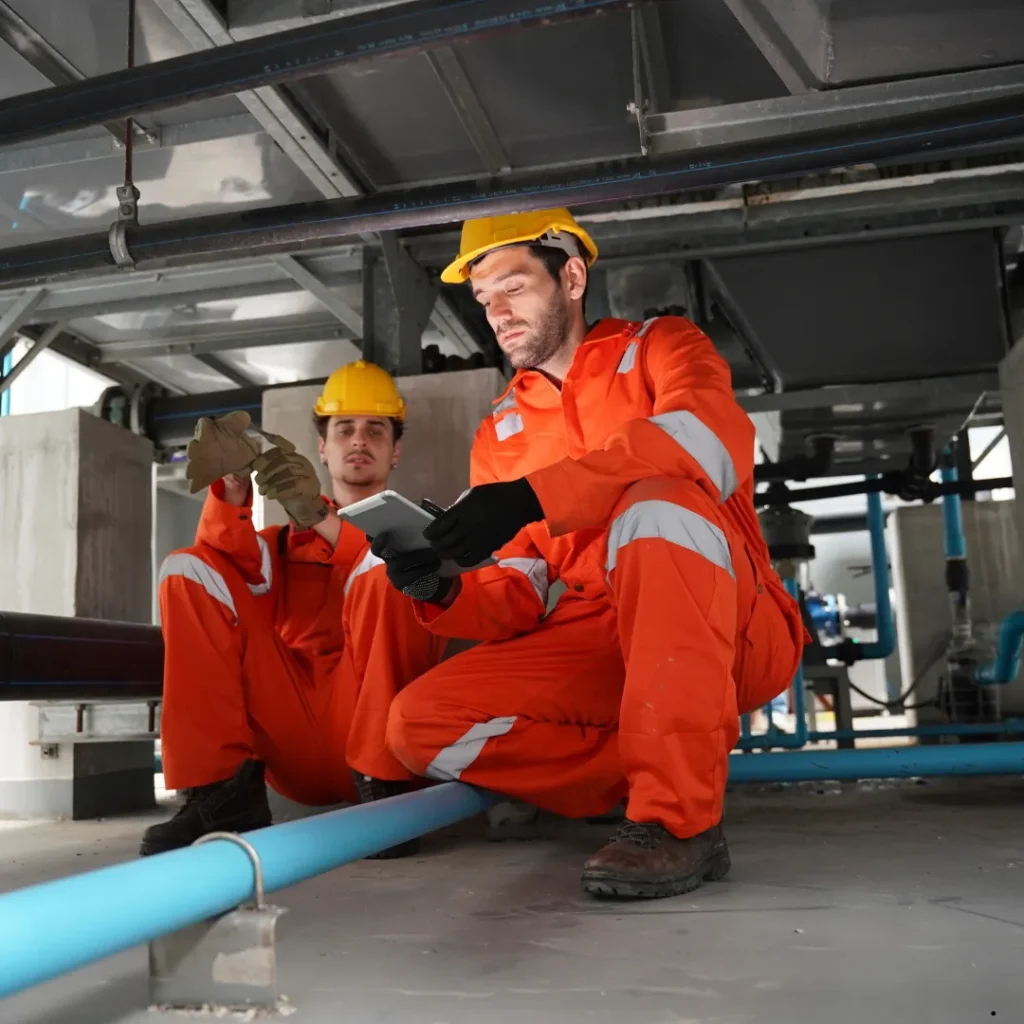
Become a formally certified safety specialist with the ProQual Level 3 NVQ Diploma in Testing, Inspecting and Thorough Examination Occupations (Construction). This nationally recognised qualification validates the advanced competencies required for professionals who conduct the legally mandated testing, inspection, and thorough examination of construction plant and equipment. The program provides a structured, work-based pathway to prove your expertise against industry standards, ensuring compliance with key safety regulations and fostering a culture of operational integrity on site.
You will engage in a detailed assessment process designed to evaluate your ability to perform comprehensive visual inspections, execute precise and specific operational tests, and meticulously complete the essential certification and reports that formally declare equipment safe for use. An assigned assessor will work with you on-site to build a robust portfolio of evidence directly from your job, capturing your systematic methodology for identifying potential defects, evaluating levels of risk, and applying a deep understanding of statutory requirements to ensure the protection of both personnel and valuable assets.
Achieving this diploma provides the formal, industry-wide recognition that is essential for securing and progressing in specialist and supervisory positions across the construction sector. It delivers the certified, third-party proof of your technical skills and judgement that is increasingly demanded by major contractors, clients, and site managers. Ultimately, this qualification significantly enhances your professional credibility, meets strict competency benchmarks, and solidifies your role as a key professional committed to maintaining the highest and most reliable safety standards that underpin all successful site operations.
Course Overview
Awarding Body
ProQual
Duration
6 to 12 Months
Study Mood
Online
Assessment
Assignments Based
Course Study Units
- Confirming work activities and resources for an occupational area in the workplace
- Developing and maintaining good occupational working relationships in the workplace
- Confirming the occupational method of work in the workplace
- Inspecting plant or machinery for operational serviceability in the workplace
- Carrying out specific tests on plant or machinery to determine operational serviceability in the workplace
- Detecting breaches in waterproofing systems using non- destructive leak detection in the workplace
- Dynamic load and integrity testing of piles in the workplace

Entry Requirements
Who Can Enroll
This NVQ Diploma is designed for experienced construction professionals responsible for the critical safety and compliance of equipment on site, who require formal certification of their specialist skills.
- Plant Operators and Crane Supervisors
- Lifting Equipment Inspectors and Testers
- Service and Maintenance Engineers
- Appointed Persons (for lifting operations)
- Professionals seeking a Gold / Black CSCS Card
- Individuals requiring proof of competency for site contracts
Course Learning Outcomes
Confirming work activities and resources for an occupational work area in the workplace
- Identify work activities, assess required resources and plan the sequence of work.
- Obtain clarification and advice where the resources required are not available.
- Evaluate the work activities and the requirements of any significant external factors against the project requirements.
- Identify work activities which influence each other and make the best use of the resources available.
- Identify changed circumstances that require alterations to the work programme and justify them to decision makers.
Developing and maintaining good occupational working relationships in the workplace
- Develop, maintain and encourage working relationships to promote good will and trust.
- Inform relevant people about work activities in an appropriate level of detail, with the appropriate level of urgency.
- Offer advice and help to relevant people about work activities and encourage questions/requests for clarification and comments.
- Clarify proposals with relevant people and discuss alternative suggestions.
- Resolve differences of opinion in ways that minimise offence and maintain goodwill, trust and respect.
Confirming the occupational method of work in the workplace
- Assess available project data accurately to determine the occupational method of work.
- Obtain additional information from alternative sources in cases where the available project data is insufficient.
- Identify work methods that will make best use of resources and meet project, statutory and contractual requirements.
- Confirm and communicate the selected work method to relevant personnel.
Inspecting plant or machinery for operational serviceability in the workplace
- Interpret the given information relating to the work and resources when inspecting plant or machinery for operational serviceability.
- Know how to comply with relevant legislation and official guidance when inspecting plant or machinery for operational serviceability.
- Maintain safe and healthy working practices when inspecting plant or machinery for operational serviceability.
- Select the required quantity and quality of resources for the methods of work to inspect plant or machinery for operational serviceability.
- Minimise the risk of damage to the work and surrounding area when inspecting plant or machinery for operational serviceability.
- Complete the work within the allocated time when inspecting plant or machinery for operational serviceability.
- Comply with the given contract information to inspect plant or machinery for operational serviceability to the required specification.
Carrying out specific tests on plant or machinery to determine operational serviceability in the workplace
- Interpret the given information relating to the work and resources when carrying out specific tests on plant or machinery to determine operational serviceability
- Know how to comply with relevant legislation and official guidance when carrying out specific tests on plant or machinery to determine operational serviceability.
- Maintain safe and healthy working practices when carrying out specific tests on plant or machinery to determine operational serviceability.
- Select the required quantity and quality of resources for the methods of work to carry out specific tests on plant or machinery to determine operational serviceability.
- Minimise the risk of damage to the work and surrounding area when carrying out specific tests on plant or machinery to determine operational serviceability.
- Complete the work within the allocated time when carrying out specific tests on plant or machinery to determine operational serviceability.
- Comply with the given contract information to carry out specific tests on plant or machinery to determine operational serviceability to the required specification.
Detecting breaches in waterproofing systems using non-destructive leak detection in the workplace
- Interpret the given information relating to the work and resources when detecting breaches in waterproofing systems using non-destructive leak detection.
- Know how to comply with relevant legislation and official guidance when detecting breaches in waterproofing systems using non-destructive leak detection.
- Maintain safe and healthy working practices when detecting breaches in waterproofing systems using non-destructive leak detection.
- Select the required quantity and quality of resources for the methods of work when detecting breaches in waterproofing systems using non-destructive leak detection.
- Minimise the risk of damage to the work and surrounding area when detecting breaches in waterproofing systems using nondestructive leak detection.
- Complete the work within the allocated time when detecting breaches in waterproofing systems using non-destructive leak detection.
- Comply with the given contract information when detecting breaches in waterproofing systems using non-destructive leak detection.
Dynamic Load and Integrity Testing of Piles in the workplace
- Interpret the given information relating to the work and resources when dynamic load and integrity testing piles.
- Know how to comply with relevant legislation and official guidance when dynamic load and integrity testing piles.
- Maintain safe and healthy working practices when dynamic load and integrity testing piles.
- Select the required quantity and quality of resources for the methods of work to dynamic load and integrity test piles.
- Minimise the risk of damage to the work and surrounding area when dynamic load and integrity testing piles.
- Complete the work within the allocated time when dynamic load and integrity testing piles.
- Comply with the given contract information to dynamic load and integrity test piles to the required specification.