Advance Your Future with Airport, Airline and Aviation Management
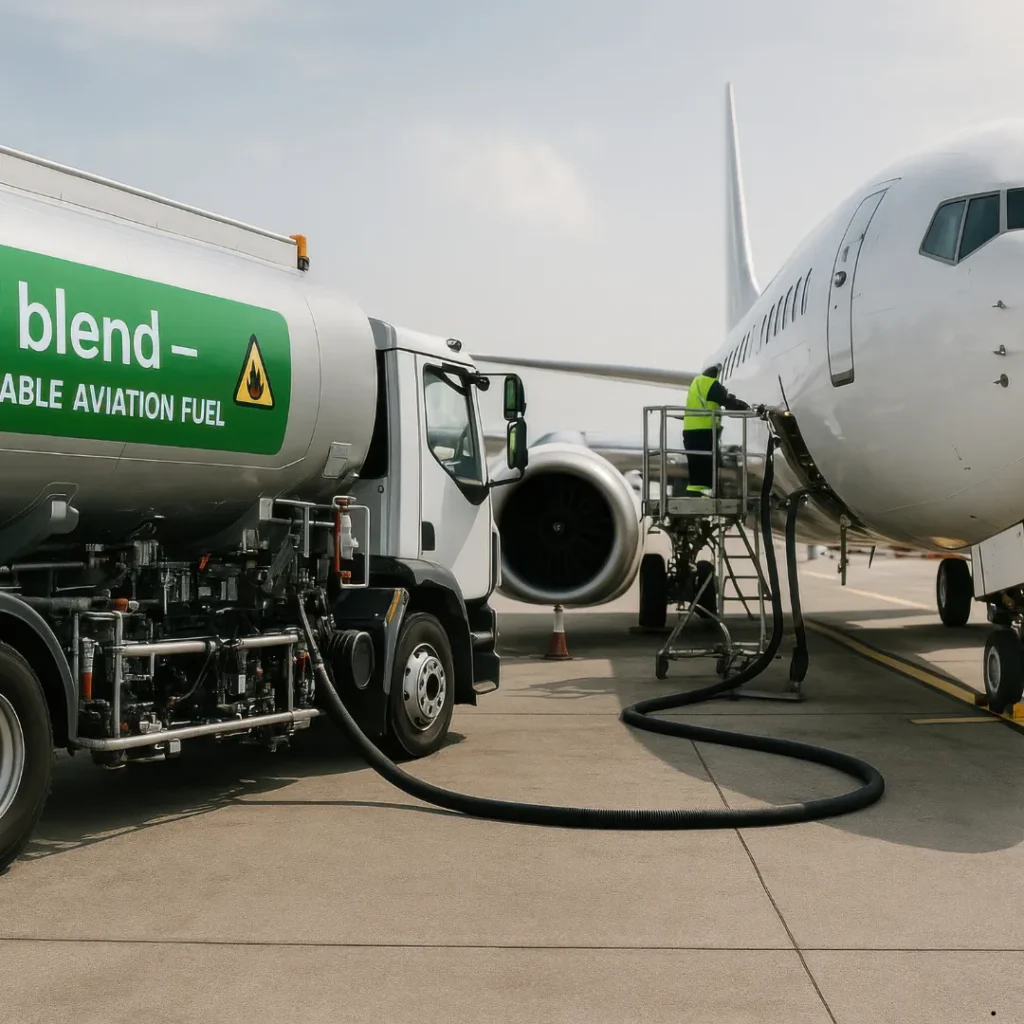
The LICQual UK Level 6 Professional Diploma in Airport, Airline and Aviation Management is designed to provide advanced knowledge and leadership skills across the aviation sector. This program focuses on strategic and operational aspects of airport and airline management, preparing learners to handle complex challenges in passenger services, safety compliance, logistics, and resource allocation. With a strong emphasis on applied learning, participants gain practical insights into the responsibilities of senior aviation managers and learn how to implement effective strategies for operational efficiency.
This diploma offers a holistic overview of aviation management, covering essential areas such as terminal operations, customer service excellence, aviation safety, and compliance with international standards. Learners explore the importance of leadership, communication, and decision‑making in maintaining smooth airport and airline functions. The program also highlights the role of innovation and technology in enhancing passenger experiences and streamlining operations. Through case studies and scenario‑based learning, participants develop practical skills that can be applied directly in real aviation contexts.
The LICQual UK Level 6 Professional Diploma in Airport, Airline and Aviation Management is ideal for individuals aspiring to advance their careers in aviation or strengthen their existing expertise in airline and airport operations.Learners are encouraged to adopt proactive approaches to problem‑solving and critical thinking. By the end of the program, participants will have developed advanced knowledge and leadership skills, enabling them to contribute effectively to the aviation sector.
Course Overview
Awarding Body
LICQual
Credits
120 Credits
Study Mood
Online
Assessment
Assignments Based
Course Study Units
- Strategic Aviation Management & Planning
- Global Aviation Policy, Law & Regulation
- Aviation Safety & Risk Management
- Aviation Finance & Revenue Optimization
- Leadership & Human Resource Management in Aviation
- Innovation & Sustainability in Aviation

Entry Requirements
Who Can Enroll
This course is best suited for individuals aiming to take leadership roles in aviation management.
- Aviation professionals seeking career advancement
- Current airport or airline staff aspiring to senior management positions
- Individuals with strong leadership and organizational skills
- Learners passionate about safety, compliance, and passenger satisfaction
- Career changers with prior experience in aviation or logistics
- Professionals motivated to enhance strategic and operational expertise
Course Learning Outcomes
1. Strategic Aviation Management and Planning
- Analyze global aviation trends and apply strategic planning models to airport and airline operations.
- Develop long-term aviation business strategies that align with international market demands.
- Evaluate competitive positioning of airlines and airports using advanced management frameworks.
- Design sustainable growth plans for aviation organizations with measurable performance indicators.
- Apply strategic decision-making tools to optimize route planning, fleet management, and airport capacity.
- Critically assess the impact of globalization and technology on aviation management strategies.
2. Global Aviation Policy, Law and Regulation
- Interpret international aviation policies, treaties, and conventions that govern global air transport.
- Evaluate the role of ICAO, IATA, and national regulators in shaping aviation law and compliance.
- Apply legal frameworks to ensure airline and airport operations meet international safety and security standards.
- Analyze the impact of bilateral and multilateral agreements on airline route rights and market access.
- Assess ethical, legal, and regulatory challenges in aviation, including passenger rights and liability.
- Recommend compliance strategies that align with evolving global aviation regulations.
3. Aviation Safety and Risk Management
- Apply international safety management systems (SMS) to aviation operations.
- Identify, assess, and mitigate operational risks in airport and airline environments.
- Evaluate accident investigation processes and implement preventive safety measures.
- Develop risk management frameworks that comply with ICAO and EASA standards.
- Analyze human factors in aviation safety and recommend effective training interventions.
- Design crisis management and emergency response plans for aviation organizations.
4. Aviation Finance and Revenue Optimization
- Interpret financial statements and performance indicators specific to aviation businesses.
- Apply cost-control strategies to optimize airline and airport profitability.
- Evaluate revenue management systems, including dynamic pricing and ancillary revenue streams.
- Develop financial models for route profitability, fleet acquisition, and airport investment.
- Assess the impact of global economic trends on aviation finance and revenue generation.
- Recommend strategies for sustainable financial growth in competitive aviation markets.
5. Leadership and Human Resource Management in Aviation
- Apply leadership theories to manage diverse teams in airline and airport environments.
- Evaluate HR strategies for talent acquisition, retention, and workforce development in aviation.
- Develop performance management systems that align with aviation industry standards.
- Analyze the impact of organizational culture and change management in aviation leadership.
- Recommend strategies for conflict resolution, employee engagement, and cross-cultural teamwork.
- Demonstrate ethical leadership practices that enhance safety, service quality, and organizational performance.
6. Innovation and Sustainability in Aviation
- Evaluate the role of innovation in driving efficiency and competitiveness in aviation.
- Analyze sustainable aviation practices, including green airports and eco-friendly airline operations.
- Assess the impact of emerging technologies such as AI, biometrics, and automation on aviation management.
- Develop strategies for reducing carbon emissions and achieving net-zero aviation targets.
- Recommend innovative solutions for enhancing passenger experience and operational efficiency.
- Critically examine global sustainability policies and their implications for aviation organization