Power Your Career: LICQual UK Level 3 Offshore Operations Diploma
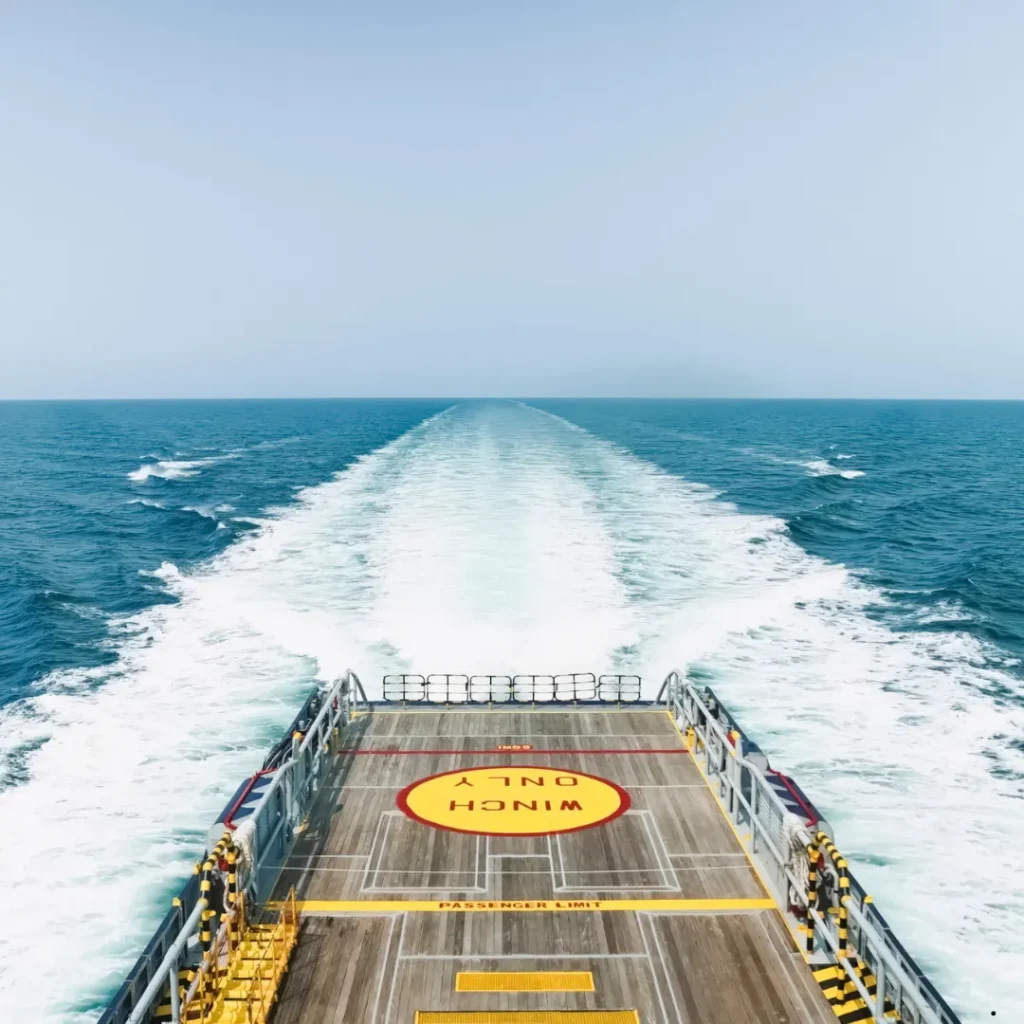
The LICQual UK Level 3 Diploma in Offshore Operations provides learners with a strong foundation in the principles and practices of offshore industries. This program introduces essential concepts such as offshore safety, logistics, and operational management. Learners gain practical insights into how offshore operations are conducted, preparing them to understand and apply strategies in real-world contexts. The diploma blends theoretical knowledge with practical applications, ensuring learners are equipped to meet the demands of a competitive global sector.
This diploma emphasizes the importance of effective offshore management and safety compliance in international industries. Learners explore topics such as offshore logistics, risk management, resource handling, and operational efficiency. By engaging with case studies and industry-relevant examples, participants develop the ability to analyze challenges, manage offshore resources, and apply operational strategies effectively. The program is structured to enhance both technical knowledge and professional confidence, enabling learners to thrive in diverse offshore environments worldwide.
The LICQual UK Level 3 Diploma in Offshore Operations is ideal for individuals seeking to build a career in offshore industries and logistics coordination. It encourages learners to think critically, apply problem-solving strategies, and adapt to the evolving demands of offshore work. By combining academic rigor with practical relevance, the course fosters professional growth and prepares graduates to contribute meaningfully to the efficiency and safety of offshore operations. This qualification is a valuable step for those aiming to strengthen their expertise in this vital global industry.
Course Overview
Awarding Body
LICQual
Credits
60 Credits
Study Mood
Online
Assessment
Assignments Based
Course Study Units
- Introduction to Offshore Oil & Gas Industry
- Offshore Health, Safety and Environmental Management
- Offshore Drilling and Production Fundamentals
- Offshore Logistics and Supply Chain Operations
- Offshore Equipment and Maintenance Practices
- Professional Development in Offshore Operations

Entry Requirements
Who Can Enroll
This course is designed for motivated individuals who want to build expertise in offshore operations.
- Professionals working in offshore or logistics industries.
- Aspiring offshore operations coordinators.
- Individuals interested in safety and resource management.
- Learners with analytical and organizational skills.
- Those aiming for global career opportunities in offshore trade.
- People seeking practical, industry-focused knowledge.
Course Learning Outcomes
1. Introduction to Offshore Oil & Gas Industry
By the end of this unit, learners will be able to:
- Explain the structure and global significance of the offshore oil and gas industry.
- Identify key offshore operations, platforms, and production systems.
- Describe the roles and responsibilities of offshore professionals.
- Analyze the economic and environmental impact of offshore energy production.
- Recognize career pathways and progression opportunities in offshore operations.
- Apply foundational industry knowledge to real-world offshore scenarios.
2. Offshore Health, Safety and Environmental Management
By the end of this unit, learners will be able to:
- Demonstrate knowledge of offshore health, safety, and environmental (HSE) regulations.
- Conduct basic risk assessments and apply hazard control measures.
- Explain emergency response procedures and offshore evacuation protocols.
- Apply international safety standards to offshore operations.
- Evaluate the importance of environmental protection in offshore projects.
- Promote a culture of safety and compliance in offshore workplaces.
3. Offshore Drilling and Production Fundamentals
By the end of this unit, learners will be able to:
- Describe the stages of offshore drilling and production processes.
- Identify key drilling equipment, rigs, and production systems.
- Explain well construction, completion, and production flow.
- Apply knowledge of offshore drilling safety and operational procedures.
- Analyze common challenges in offshore drilling and propose solutions.
- Demonstrate understanding of production optimization in offshore environments.
4. Offshore Logistics and Supply Chain Operations
By the end of this unit, learners will be able to:
- Explain the role of logistics in offshore oil and gas operations.
- Identify offshore supply chain components, including vessels and transport systems.
- Apply principles of inventory management and offshore material handling.
- Evaluate the challenges of offshore logistics in remote and hazardous environments.
- Demonstrate knowledge of international shipping and supply chain regulations.
- Develop strategies to improve efficiency in offshore logistics operations.
5. Offshore Equipment and Maintenance Practices
By the end of this unit, learners will be able to:
- Identify key offshore equipment and machinery used in oil and gas operations.
- Explain preventive and corrective maintenance practices.
- Apply inspection and monitoring techniques to ensure equipment reliability.
- Demonstrate knowledge of asset integrity and lifecycle management.
- Evaluate the impact of equipment failure on offshore operations.
- Recommend maintenance strategies to improve operational safety and efficiency.
6. Professional Development in Offshore Operations
By the end of this unit, learners will be able to:
- Demonstrate effective communication and teamwork in offshore environments.
- Apply problem-solving and decision-making skills to offshore challenges.
- Develop personal and professional skills for career advancement in offshore operations.
- Recognize the importance of ethical practices and professional standards.
- Create a personal development plan aligned with offshore industry requirements.
- Apply transferable skills to support long-term career growth in the oil, gas, and maritime sectors.