Transform Skills with Level 6 Nutritional Sciences Training
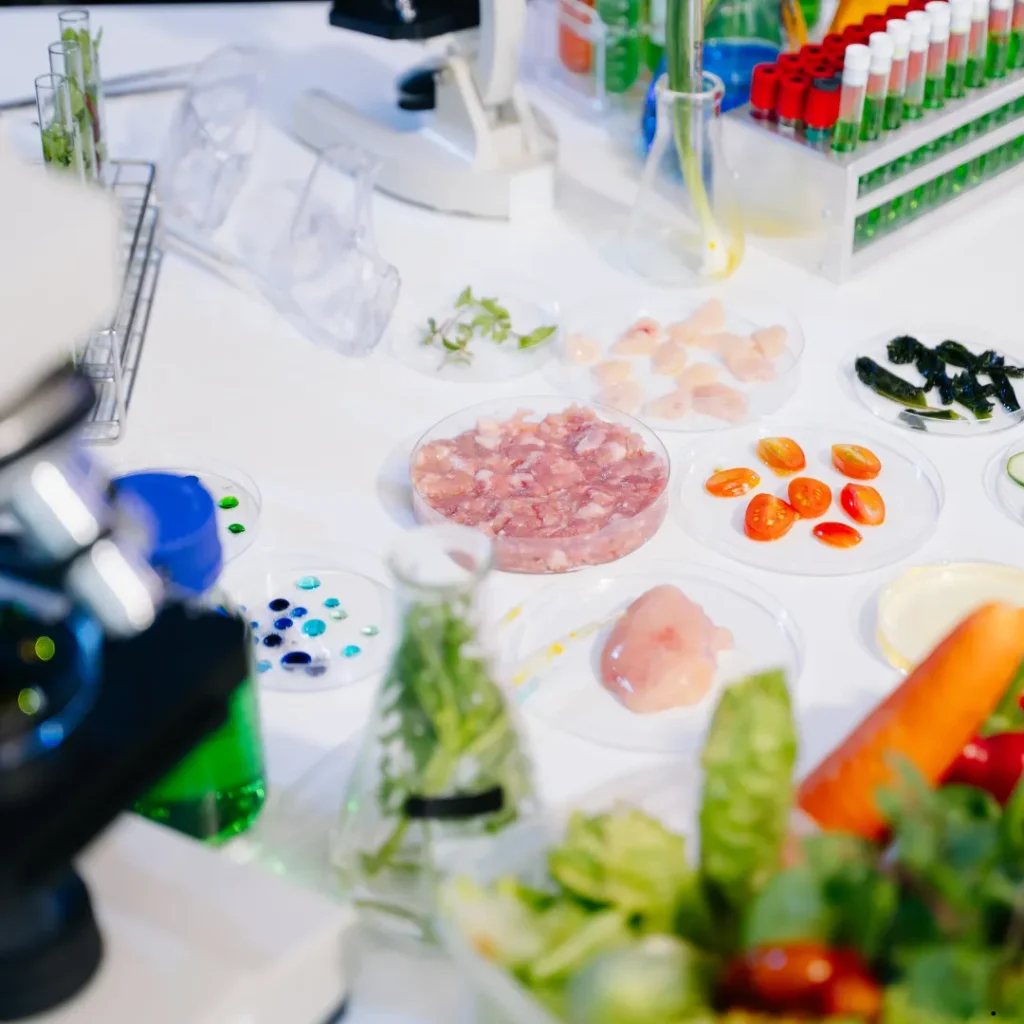
Nutrition is a cornerstone of health and wellbeing, influencing growth, disease prevention, and overall vitality. The QualCert Level 6 Diploma in Nutritional Sciences (Dip Nutritional Sciences) is designed to provide learners with advanced knowledge of nutrition science and its application in diverse contexts. This program explores the relationship between diet, metabolism, and health outcomes, equipping learners with the skills to evaluate nutritional needs and design effective dietary strategies.
The course emphasizes both theoretical foundations and practical applications, ensuring learners can confidently translate complex nutritional concepts into actionable plans. Modules cover topics such as macronutrient and micronutrient functions, dietary assessment, nutrition for chronic conditions, and strategies to promote energy, immunity, and cognitive health. Learners will also examine cultural influences, ethical considerations, and evidence‑based practices, preparing them to make informed decisions in healthcare, wellness, and advisory roles.
Through case studies, applied projects, and scenario‑based learning, participants will develop confidence in tailoring nutrition interventions to meet individual and community needs. This diploma balances academic rigor with real‑world relevance, making it ideal for professionals who want to strengthen their expertise in nutritional sciences. Graduates will be equipped to support individuals and communities in achieving healthier, more active lives through evidence‑based nutrition practices.
Course Overview
Awarding Body
QualCert
Credits
120 Credits
Study Mood
Online
Assessment
Assignments Based
Course Study Units
- Advanced Human Nutrition
- Nutritional Assessment and Monitoring
- Nutrition and Disease Management
- Public Health Nutrition
- Research Methods in Nutritional Sciences
- Professional Practice and Continuing Development

Entry Requirements
Who Can Enroll
This course is designed for individuals passionate about nutrition and health.
- Healthcare professionals seeking advanced nutrition knowledge.
- Nutritionists aiming to expand expertise in nutritional sciences.
- Wellness consultants supporting clients with dietary strategies.
- Graduates in health sciences pursuing advanced nutrition study.
- Fitness and health advisors enhancing client services.
- Individuals committed to evidence‑based nutrition practices.
Course Learning Outcomes
Advanced Human Nutrition
- Understand physiological and biochemical processes that influence nutrition
- Analyse macro- and micronutrient requirements across different life stages
- Evaluate the role of nutrition in health maintenance and disease prevention
- Apply scientific principles to optimise dietary strategies for health
Nutritional Assessment and Monitoring
- Conduct comprehensive nutritional assessments using clinical, dietary, and anthropometric data
- Interpret assessment results to identify nutritional risks
- Develop personalised dietary recommendations based on evidence
- Monitor and adjust interventions to improve health outcomes
Nutrition and Disease Management
- Examine the relationship between nutrition and chronic diseases
- Design evidence-based nutritional interventions to manage health conditions
- Apply strategies to prevent or mitigate disease progression
- Evaluate the effectiveness of nutrition-based treatment plans
Public Health Nutrition
- Assess nutritional needs at population and community levels
- Develop and evaluate public health nutrition programmes
- Apply strategies to improve community dietary patterns and health outcomes
- Promote evidence-based public health interventions for better nutrition
Research Methods in Nutritional Sciences
- Apply research methodologies to investigate nutrition-related topics
- Analyse and interpret scientific data to inform professional practice
- Critically evaluate scientific literature for evidence-based interventions
- Integrate research findings into practical nutritional strategies
Professional Practice and Continuing Development
- Develop a Continuing Professional Development (CPD) plan relevant to nutritional sciences
- Apply evidence-based practice in professional and clinical settings
- Communicate findings and recommendations effectively to stakeholders
- Enhance professional skills for leadership or specialist roles in nutrition