Transform Pet Care: ICTQual Level 3 Canine First Aid Course
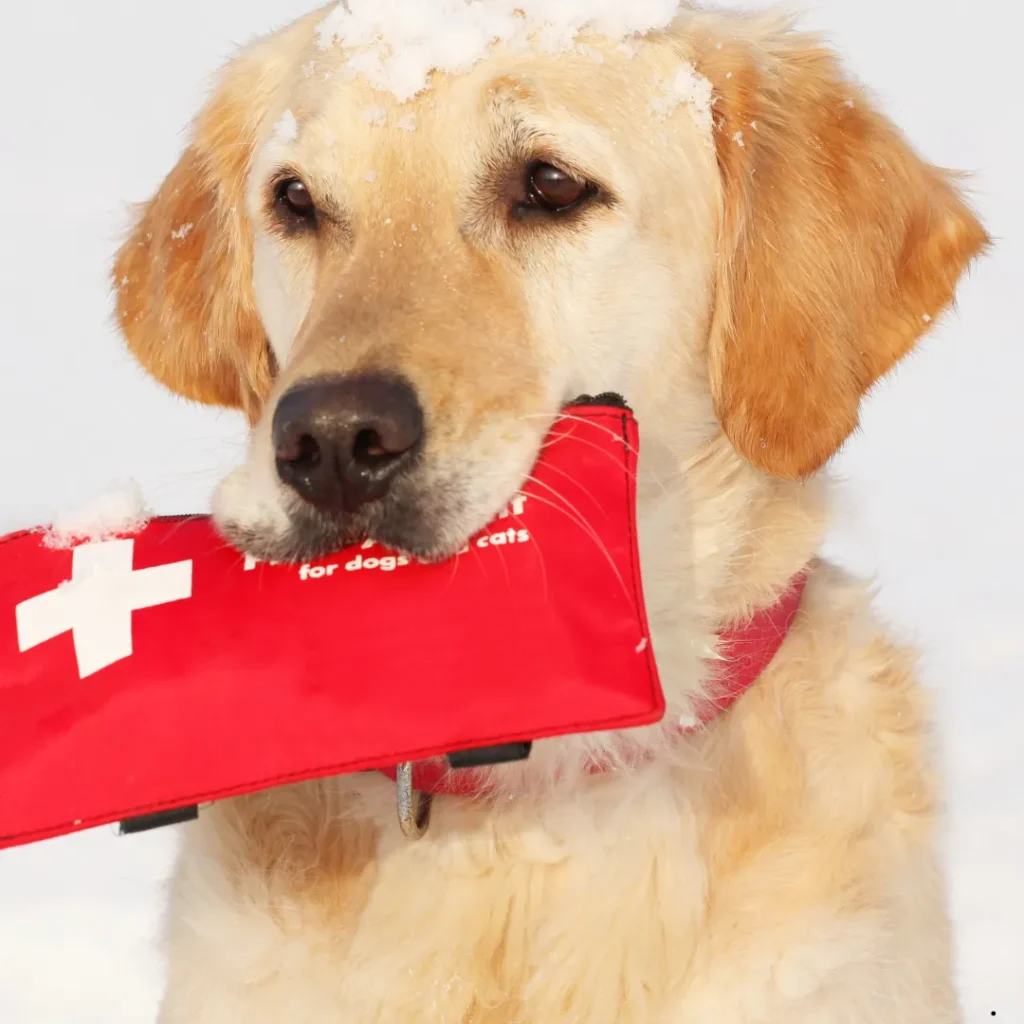
The ICTQual Level 3 Award in Canine First Aid is designed to equip learners with essential knowledge and practical skills to respond effectively to canine emergencies. This course emphasizes confidence-building techniques, enabling participants to act swiftly and responsibly when faced with situations such as injuries, choking, or sudden illness. By combining theoretical understanding with practical application, learners gain the ability to provide immediate care that can make a critical difference in a dog’s wellbeing.
Throughout the program, learners explore a wide range of topics including canine anatomy, common health risks, and emergency response procedures. The training focuses on real-world scenarios, ensuring participants are prepared to handle urgent situations with clarity and precision. By practicing hands-on techniques, learners develop the competence to stabilize conditions until professional veterinary care is available. This structured approach ensures that every participant leaves with practical, actionable skills.
The course is ideal for individuals who work closely with dogs, whether in professional or personal settings. It provides a strong foundation in canine health awareness, empowering learners to safeguard the animals under their care. With a focus on responsibility, safety, and proactive action, the ICTQual Level 3 Award in Canine First Aid helps learners become trusted caregivers. By the end of the training, participants will feel confident in their ability to respond to emergencies and protect canine lives.
Course Overview
Awarding Body
ICTQual AB
Duration
3 days
Study Mood
Online
Assessment
Assignments Based
Course Study Units
- Canine Anatomy, Physiology, and Common Health Issues
- Emergency First Aid Techniques and Canine Life-Saving Procedures
- Professional Practice, Safety, and Legal Responsibilities in Canine First Aid

Entry Requirements
Who Can Enroll
This course is designed for individuals passionate about canine welfare and safety.
- Dog owners who want to protect their pets.
- Pet care professionals such as groomers or trainers.
- Kennel and shelter staff responsible for animal wellbeing.
- Veterinary assistants seeking practical emergency skills.
- Animal rescue volunteers working in high-risk environments.
- Security or service dog handlers requiring emergency readiness.
Course Learning Outcomes
Canine Anatomy, Physiology, and Common Health Issues
- Understand the basic anatomy and physiological systems of dogs.
- Identify normal and abnormal behavior indicating potential health problems.
- Recognize common health issues and medical conditions affecting dogs.
- Understand how age, breed, and size can influence a dog’s health and first aid needs.
- Learn to assess vital signs, including heart rate, respiration, and temperature.
- Recognize signs of pain, distress, or illness in dogs.
- Understand how injuries or illness impact overall canine physiology.
- Develop awareness of preventative measures to reduce risks of injury or illness.
Emergency First Aid Techniques and Canine Life-Saving Procedures
- Learn to respond effectively to canine emergencies and injuries.
- Gain practical skills in performing CPR on dogs of different sizes.
- Understand how to manage choking, bleeding, fractures, and shock.
- Learn safe handling and restraint techniques during first aid procedures.
- Develop competence in assessing and prioritizing injuries in emergency situations.
- Understand post-emergency care and monitoring until veterinary help is available.
- Recognize when and how to seek professional veterinary assistance.
- Build confidence in applying first aid skills in real-life scenarios.
Professional Practice, Safety, and Legal Responsibilities in Canine First Aid
- Build confidence in providing first aid within the scope of training while maintaining animal welfare standards.
- Understand the legal responsibilities and ethical considerations when providing canine first aid.
- Learn professional conduct standards in animal care and emergency situations.
- Develop effective communication skills with pet owners, colleagues, and veterinary staff.
- Understand hygiene, infection control, and safety measures during first aid.
- Recognize the importance of record-keeping and documentation of incidents.
- Learn to manage risks to ensure safety for both the dog and handler.
- Develop awareness of continuous professional development and best practice guidelines.