Boost Skills with ICTQual Level 3 Preventative Canine Oral Hygiene
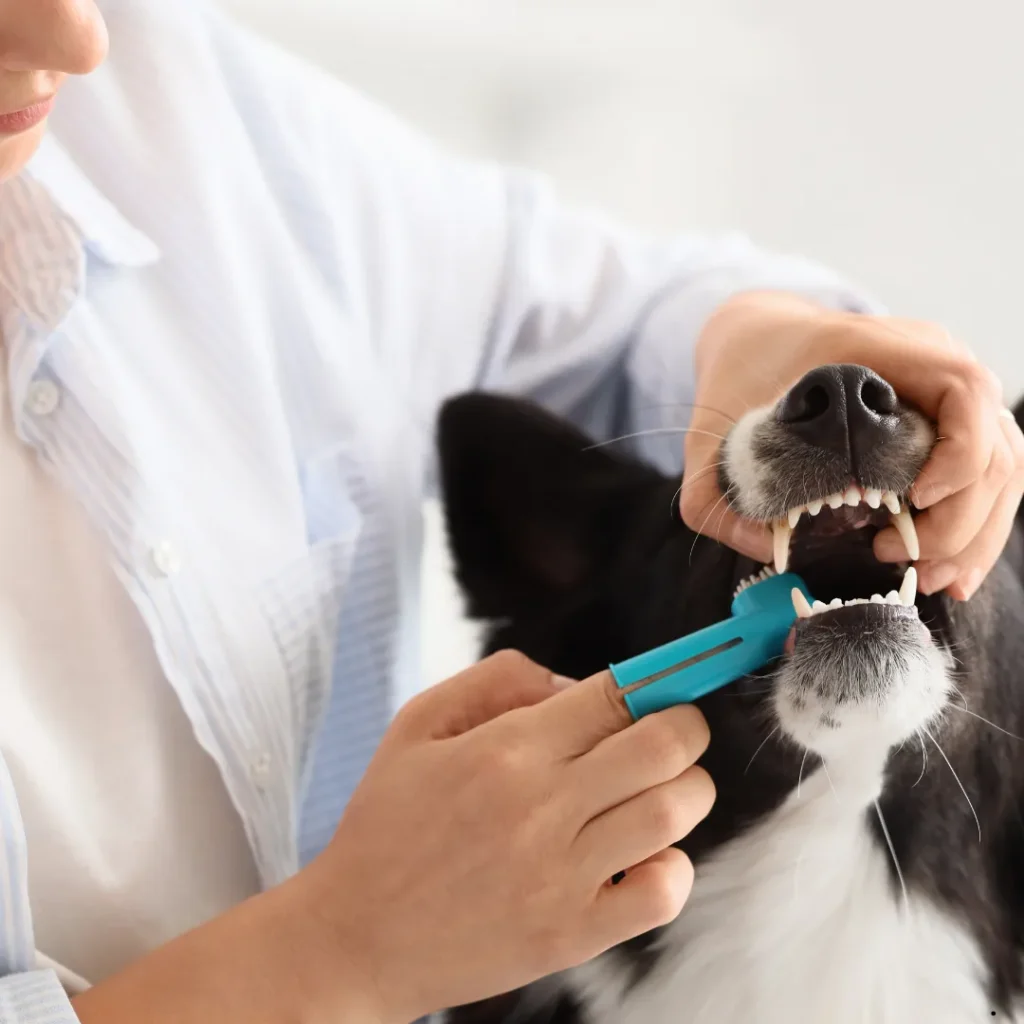
The ICTQual Level 3 Award in Preventative Canine Dental Care and Oral Hygiene is designed to provide learners with essential knowledge and practical skills to safeguard canine dental health. This course emphasizes the importance of preventative care, equipping participants with the ability to recognize early signs of dental issues and apply effective hygiene practices. By combining theoretical learning with practical techniques, learners gain confidence in maintaining oral health standards that directly improve canine wellbeing.
Learners will explore a wide range of topics that cover both the scientific and practical aspects of canine oral hygiene. The training includes detailed study of dental anatomy, common oral health conditions such as plaque, tartar, and periodontal disease, and the impact of diet and environment on dental health. Participants are introduced to preventative techniques such as brushing methods, the use of dental chews, and monitoring oral health indicators that can signal potential issues. The course also highlights the importance of routine checks and the role of pet caregivers in maintaining consistent hygiene practices.
This award is particularly valuable for individuals working in pet care, grooming, veterinary support, or animal welfare organizations, as well as for dedicated dog owners who want to take a proactive role in their pet’s health. It empowers learners to demonstrate competence in preventative dental care, promoting responsible practices that enhance animal welfare and build trust with clients, employers, and communities.By the end of the training, participants will not only understand the importance of oral hygiene but will also be equipped with the practical skills to implement preventative strategies effectively.
Course Overview
Awarding Body
ICTQual AB
Duration
3 days
Study Mood
Online
Assessment
Assignments Based
Course Study Units
- Principles of Canine Oral Anatomy and Dental Health
- Preventative Canine Dental Care Techniques and Hygiene Practices
- Professional Standards, Welfare, and Legal Framework in Canine Dental Care

Entry Requirements
Who Can Enroll
This course is designed for individuals passionate about canine health and wellbeing.
- Dog owners who want to improve their pets’ dental health.
- Pet care professionals such as groomers or trainers.
- Veterinary assistants seeking specialized oral hygiene skills.
- Animal shelter staff responsible for long-term pet care.
- Breeders aiming to maintain high welfare standards.
- Rescue volunteers committed to improving canine health.
Course Learning Outcomes
Principles of Canine Oral Anatomy and Dental Health
- Identify the structure and function of canine teeth, gums, and oral cavity.
- Distinguish between different types of teeth (incisors, canines, premolars, molars) and their roles.
- Explain the stages of dental development from puppyhood to adulthood.
- Recognise common dental and oral health issues such as plaque, tartar, gingivitis, and periodontal disease.
- Understand the relationship between oral health and overall canine wellbeing.
- Describe how diet, age, and breed influence oral health.
- Apply correct terminology when discussing canine oral anatomy with professionals and owners.
- Assess the impact of poor oral hygiene on long‑term canine health outcomes.
Preventative Canine Dental Care Techniques and Hygiene Practices
- Demonstrate safe, non‑invasive methods of plaque control and oral hygiene.
- Apply appropriate brushing techniques and select suitable canine dental products.
- Recognise early signs of oral disease and advise owners on preventive measures.
- Incorporate oral hygiene routines into grooming or welfare services.
- Educate owners on the importance of regular dental care and monitoring.
- Maintain hygiene standards when handling canine oral care tools and equipment.
- Adapt preventive techniques to suit different breeds, ages, and temperaments.
- Record and report observations of oral health concerns to veterinary professionals.
Professional Standards, Welfare, and Legal Framework in Canine Dental Care
- Understand the boundaries of professional practice under the Veterinary Surgeons Act 1966.
- Recognise which dental procedures are legally restricted to veterinary surgeons.
- Apply ethical principles when delivering preventative oral hygiene services.
- Promote welfare by ensuring all practices are humane, safe, and stress‑free for dogs.
- Communicate clearly with owners about the scope and limitations of preventative care.
- Maintain accurate records of oral hygiene practices and observations.
- Uphold professional standards in client service, confidentiality, and animal welfare.
- Reflect on personal responsibility and continuous professional development in canine dental care.