Transform Your Career: Veterinary Surgeons in Monitoring Anaesthetised
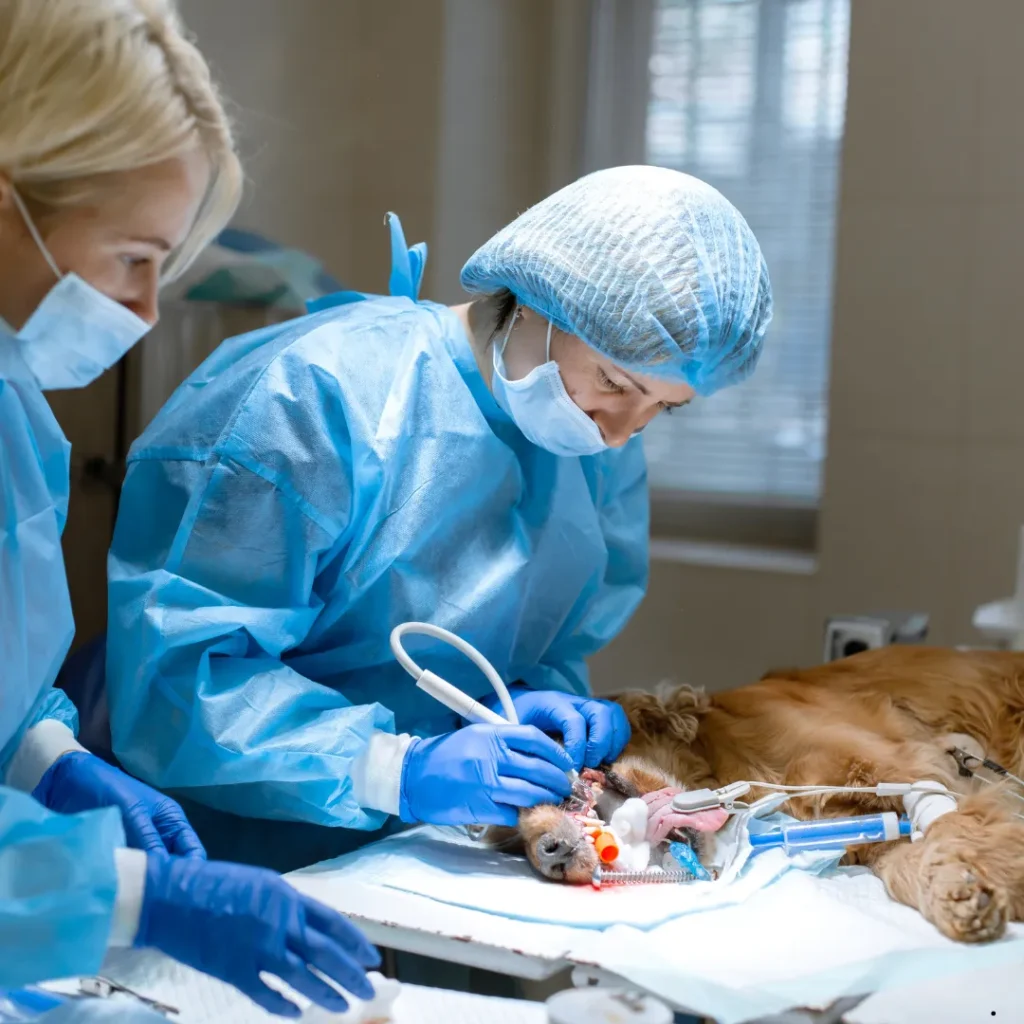
The ICTQual Level 2 Certificate in Assisting Veterinary Surgeons in Monitoring Anaesthetised and Sedated Companion Animals is designed to provide learners with essential knowledge and practical skills to support veterinary teams during critical procedures. Monitoring anaesthetised and sedated animals requires precision, responsibility, and a strong understanding of animal welfare. This course equips participants with the confidence to assist veterinary surgeons effectively, ensuring the safety and wellbeing of companion animals throughout medical interventions.
Learners will explore a wide range of topics including the principles of anaesthesia, sedation techniques, and the vital signs that must be observed during procedures. The training emphasizes practical skills such as monitoring respiration, heart rate, and recovery stages, while also covering the importance of communication within veterinary teams. By combining theoretical learning with real-world applications, participants develop the competence to provide reliable support in clinical environments where accuracy and care are paramount.
This certificate is particularly valuable for individuals working in veterinary practices, animal shelters, or pet care facilities. It empowers learners to demonstrate competence in assisting with anaesthesia monitoring while promoting responsible practices that enhance animal welfare. By the end of the training, participants will have the confidence to support veterinary surgeons during procedures, ensuring companion animals receive safe and professional care.
Course Overview
Awarding Body
ICTQual AB
Duration
10 days
Study Mood
Online
Assessment
Assignments Based
Course Study Units
- Principles of Anaesthesia and Sedation in Companion Animals
- Monitoring Techniques and Animal Safety During Procedures
- Professional Practice, Ethics, and Communication in Veterinary Support

Entry Requirements
Who Can Enroll
This course is designed for individuals passionate about animal welfare and veterinary support.
- Aspiring veterinary assistants seeking practical skills.
- Animal shelter staff involved in medical care.
- Pet care professionals wanting to expand their knowledge.
- Veterinary practice employees supporting surgical teams.
- Rescue volunteers assisting with animal health procedures.
- Dog and cat owners interested in understanding veterinary monitoring.
Course Learning Outcomes
Principles of Anaesthesia and Sedation in Companion Animals
- Understand the basic principles of anaesthesia and sedation for dogs, cats, and other companion animals.
- Learn the different types of anaesthetic and sedative agents used in veterinary practice.
- Recognize the physiological effects of anaesthesia and sedation on various animal species.
- Understand pre-operative preparation, including animal assessment and risk factors.
- Learn the importance of accurate dosage calculation and administration under supervision.
- Recognize signs of adverse reactions or complications during anaesthesia or sedation.
- Gain knowledge of recovery processes and post-procedure monitoring requirements.
- Develop confidence in assisting veterinary professionals during anaesthetic and sedative procedures.
Monitoring Techniques and Animal Safety During Procedures
- Learn to monitor vital signs including heart rate, respiration, and body temperature during procedures.
- Understand the use of monitoring equipment and interpretation of readings.
- Recognize early warning signs of distress or complications in anaesthetised animals.
- Apply safe handling and restraint techniques during monitoring.
- Develop the ability to assist with emergency procedures under supervision.
- Understand the importance of maintaining a sterile and safe environment during procedures.
- Learn to document observations accurately and report changes promptly to veterinary staff.
- Gain practical skills to support animal safety and welfare during surgical and diagnostic procedures.
Professional Practice, Ethics, and Communication in Veterinary Support
- Develop effective communication skills with veterinary surgeons, nurses, and clients.
- Understand ethical principles and responsibilities when working with anaesthetised or sedated animals.
- Learn to maintain confidentiality and comply with data protection regulations.
- Develop professionalism, reliability, and attention to detail in a veterinary environment.
- Understand legal and regulatory requirements related to veterinary support and animal care.
- Learn to work collaboratively within a veterinary team to ensure smooth operation and patient safety.
- Recognize the importance of continuous professional development and reflective practice.
- Gain confidence in applying professional standards and ethical considerations to everyday veterinary support tasks.